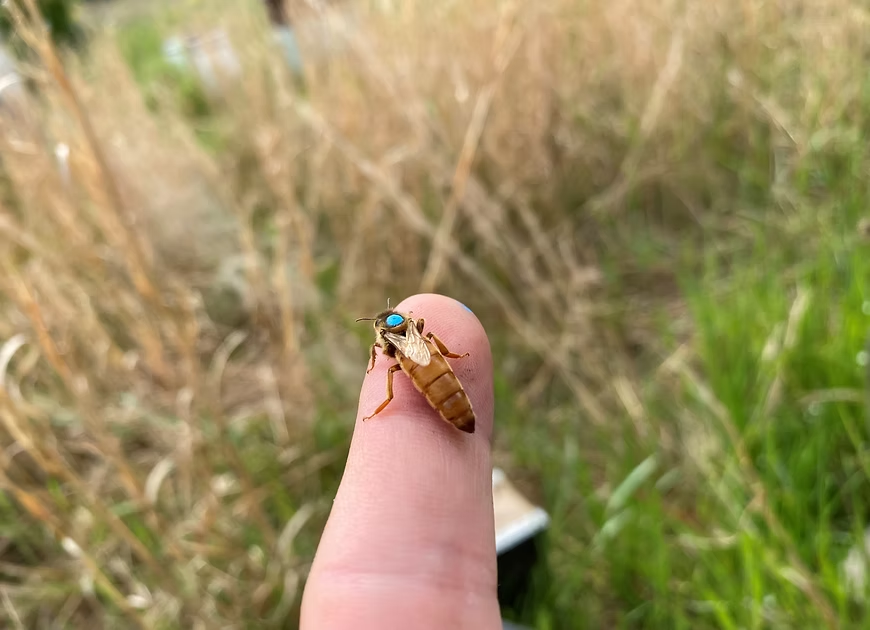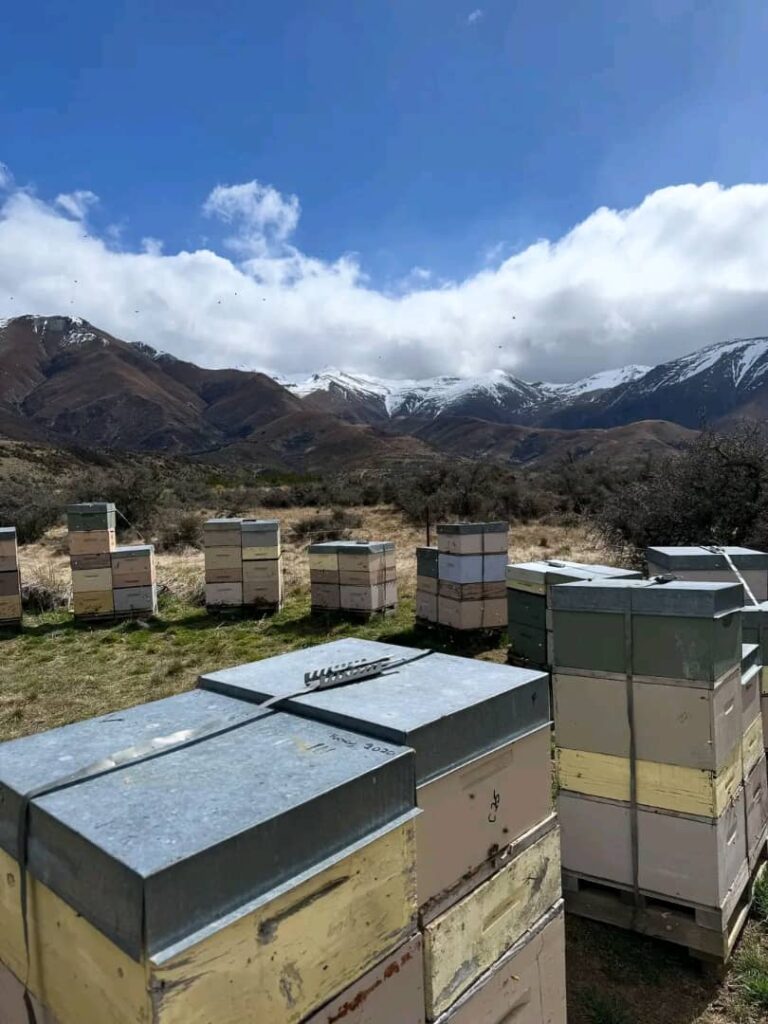
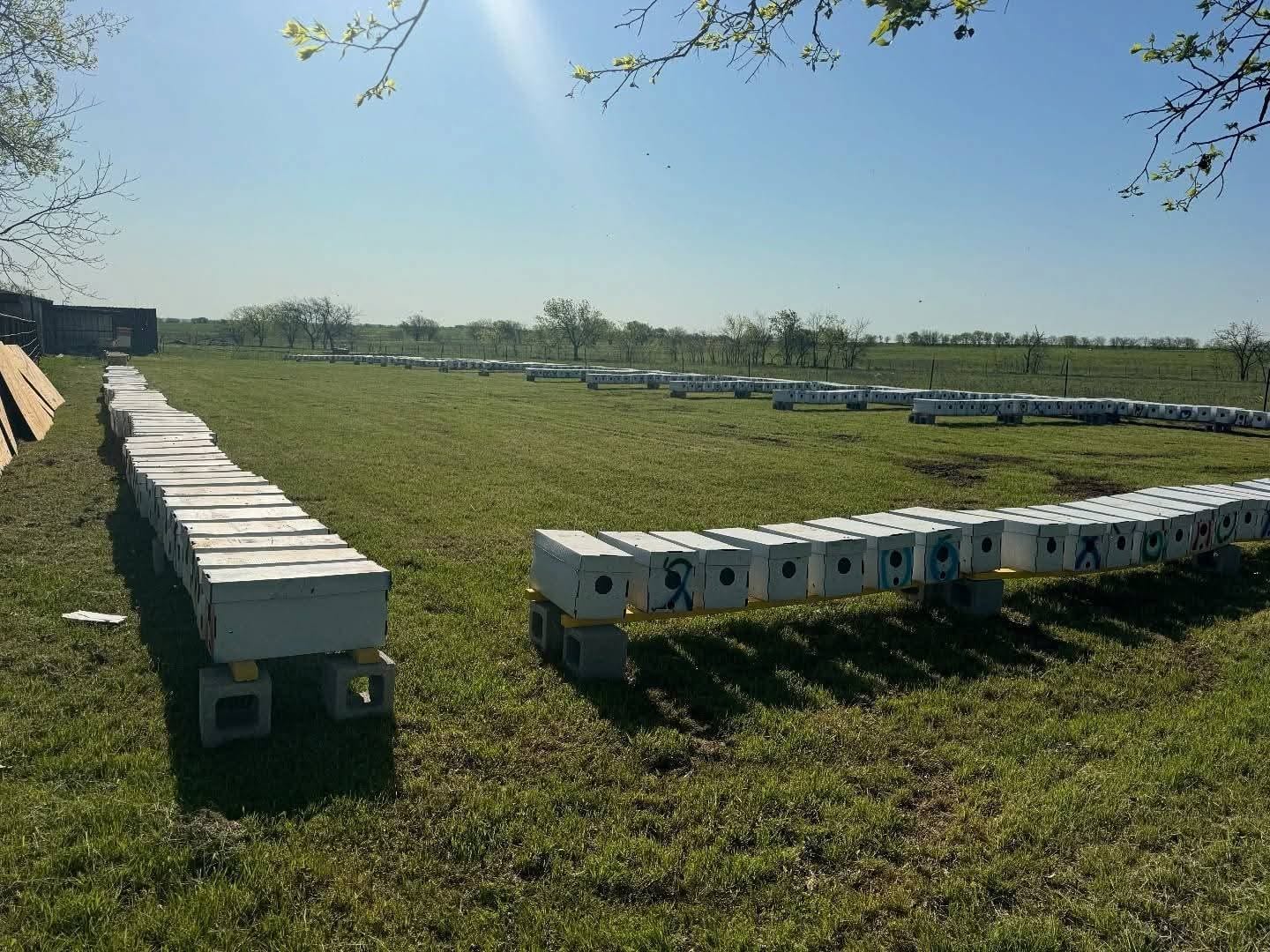
Master Guide: Pro Tips for Preventing Honey Bee Swarms This Season
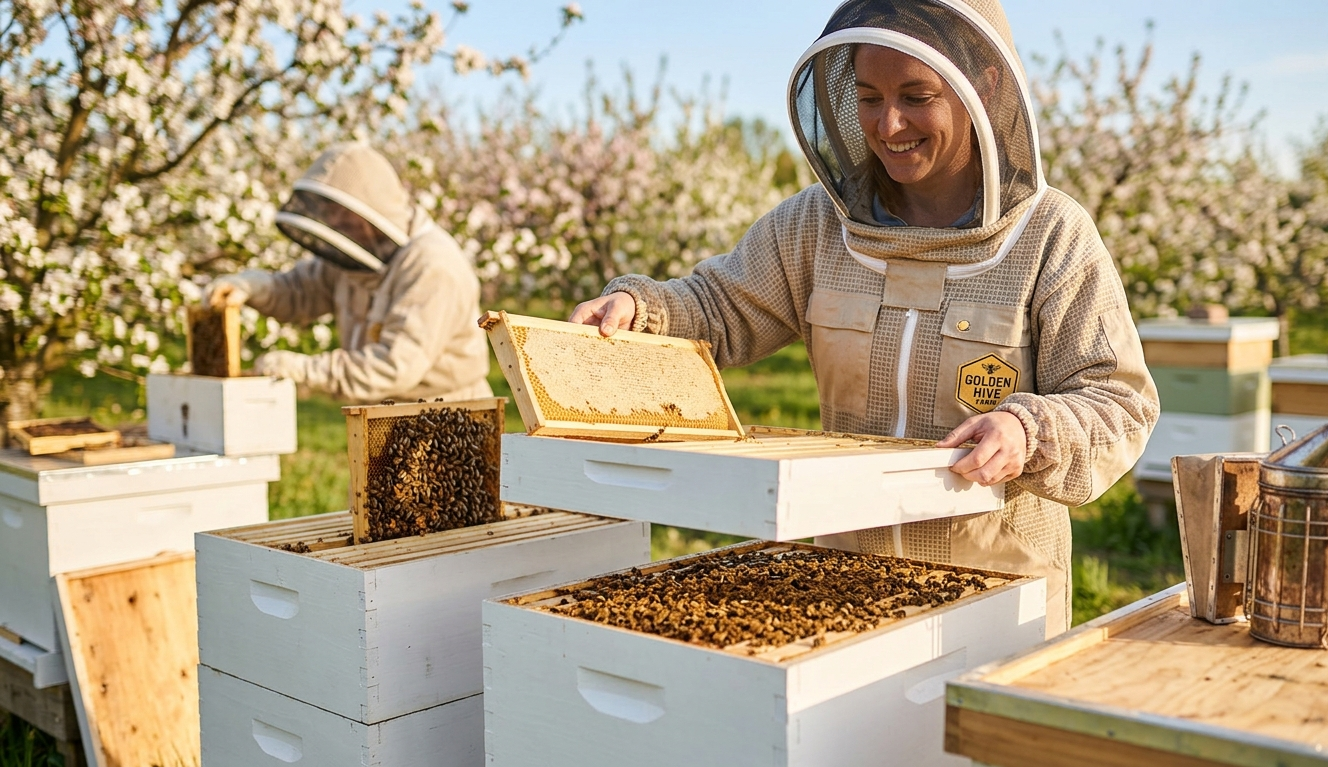
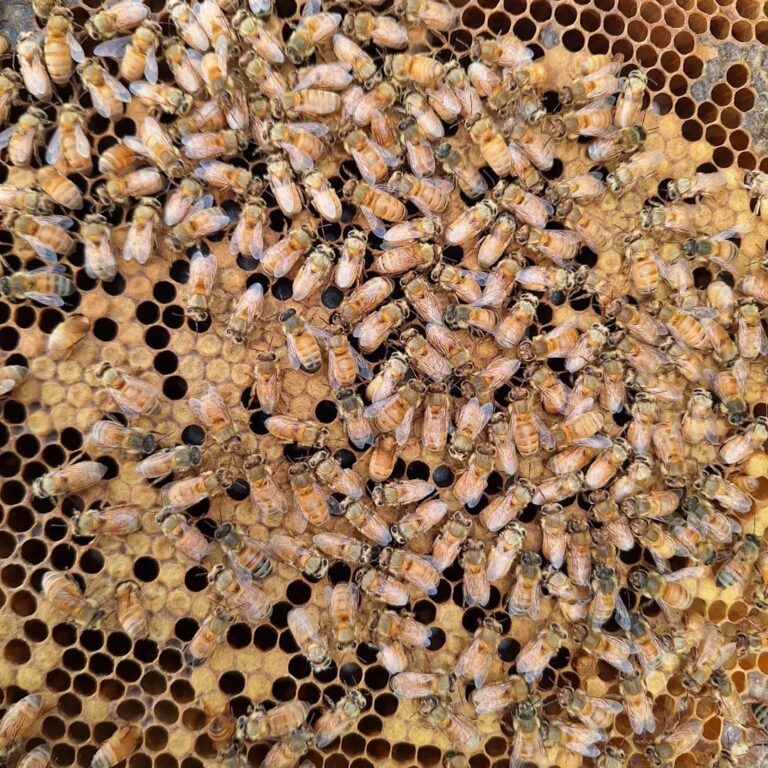
Master Guide: Pro Tips for Preventing Honey Bee Swarms This SeasonSpring is the most exhilarating time of the year for a beekeeper. The air warms up, the first dandelion blooms appear, and your hives awaken from their winter slumber with a burst of explosive energy. https://goldenhivefarm.com/ However, this rapid population growth brings one of the greatest challenges in apiary management: the swarming impulse.www.dadant.comSwarming is the natural method of reproduction for honey bee colonies. While it is a sign of a healthy, vigorous colony, a swarm can be devastating for a beekeeper. When a hive swarms, the old queen takes roughly half of the foraging workforce and flies away to find a new home, leaving you with a drastically depleted hive that may struggle to produce a honey crop this season.www.honeyflow.comIf you want to keep your bees in your boxes and maximize your honey yield, you need a proactive, strategic approach to hive management. At Golden Hive Farm, we want to ensure your colonies stay strong, intact, and highly productive.This comprehensive guide covers the best tips for preventing honey bee swarms this season. We will explore the biology behind swarming, how to recognize early warning signs during your routine hive inspections, and advanced management techniques—such as reversing brood boxes, checkerboarding, and making controlled splits—to keep your apiary flourishing.Understanding Why Honey Bees SwarmTo effectively prevent swarming, you must first understand the biological triggers that cause a colony to make the decision to split. Swarming is not an accident; it is a highly coordinated, evolutionary response driven by specific environmental and internal hive conditions.1. Brood Nest Congestion and OvercrowdingThe number one trigger for swarming is a lack of physical space inside the hive. As the queen reaches her peak laying capacity in the spring—often depositing over 1,500 to 2,000 eggs per day—the brood nest rapidly expands. If the worker bees fill the remaining cells with incoming nectar and pollen (a condition known as being "honey-bound"), the queen runs out of empty cells to lay eggs. This physical congestion sends a clear signal to the colony that they have outgrown their current domicile.www.ecrotek.co.nz+ 22. Dilution of Queen PheromoneA healthy queen continuously secretes a complex cocktail of chemical signals, primarily Queen Mandibular Pheromone (QMP). This pheromone is passed from bee to bee throughout the hive via grooming and food sharing (trophallaxis). QMP acts as a powerful social glue, informing the worker bees that the queen is alive, healthy, and productive, which actively suppresses their urge to raise a new queen.ask.ifas.ufl.eduWhen a hive becomes severely overcrowded, or when the queen ages and her pheromone production naturally declines, the chemical signal is diluted. The workers on the periphery of the cluster stop receiving adequate amounts of QMP. This drop in pheromone concentration triggers the workers to begin building swarm cells to replace her.www.betterbee.com3. Demographic ImbalanceA rapidly expanding spring colony creates a massive surge of young nurse bees. If there is not enough open brood to feed and care for, these nurse bees become underemployed. An excess of young worker bees with highly active hypopharyngeal glands (which produce royal jelly) creates an internal environment highly conducive to raising new queens and initiating a swarm.Early Warning Signs: What to Look for During InspectionsSuccessfully managing the swarming instinct requires regular, diligent hive inspections. During the peak of spring buildup, you should inspect your colonies every 7 to 10 days. Waiting two weeks between visits gives the bees more than enough time to build, cap, and exit with a swarm.www.dave-cushman.net+ 1When you crack open your hive bodies, keep a keen eye out for these progressive warning signs:The "Boiling Over" PhenomenonWhen you remove the hive cover, look at the top bars. Are the inter-frame spaces completely packed with bees? If workers are boiling over the edges of the boxes and hanging in thick curtains outside the entrance (beading or draping), the hive density has reached a critical threshold.Back-Filling the Brood NestExamine the frames in the center of the brood nest. In a well-managed hive, the center cells contain eggs and open larvae, while nectar and pollen are stored on the outer margins. If you notice that workers are immediately filling cells with fresh, shiny nectar the moment a young bee emerges, they are "back-filling." This restricts the queen's laying space and is a surefire indicator that the colony is running out of room.theapiarist.orgProliferation of Drone BroodWhile a small amount of drone brood is normal in spring, an excessive frenzy of drone comb construction along the bottoms and sides of the frames indicates the hive is entering a reproductive phase. The colony is preparing a surplus of male bees to mate with virgin queens in the local area.Play Cups vs. True Swarm CellsIt is incredibly common to find small, downward-facing wax cups along the bottom bars of your frames, often called "play cups" or "queen cups." The mere presence of empty play cups does not mean a swarm is imminent; bees build them routinely just in case.barnsleybeekeepers.org.ukHowever, the situation becomes urgent when you see the transition to active queen cells:Swarm Cells: These are found in large numbers (often 5 to 15 or more) hanging like peanuts primarily along the bottom edges and lower margins of the brood frames.thewalrusandthehoneybee.comSupercedure Cells: By contrast, if the bees are trying to replace an old or failing queen without swarming, they will typically build only 1 to 3 queen cells positioned on the face or middle of the frame.www.honeyflow.comThe Red Alert Sign: If you peer inside a queen cup and see a shiny pool of milky-white royal jelly with a tiny, C-shaped larva floating inside, the swarm clock has officially started. Once that cell is capped (usually on day 9 of the larva's development), the prime swarm will depart on the next clear, sunny day.Actionable Tips for Preventing Honey Bee Swarms This SeasonIf your inspections reveal that your bees are getting crowded but have not yet committed to building active, populated queen cells, you can use several manipulative techniques to disrupt the swarming impulse.Management StrategyBest TimingSkill LevelPrimary MechanismReversing Brood BoxesEarly Spring (Pre-Flow)BeginnerRelieves vertical congestionAdding Honey SupersMid-Spring (Early Flow)BeginnerExpands storage capacityCheckerboardingLate Winter / Early SpringIntermediateBreaks up the overhead honey capOpening the Brood NestMid-SpringIntermediateStimulates wax-making and laying spaceMaking a Controlled SplitLate Spring (Peak Buildup)AdvancedSimulates a natural swarm eventStrategy 1: Reversing Your Brood BoxesFor beekeepers overwintering their colonies in two deep hive bodies, natural bee behavior presents a unique challenge. During the late winter and early spring, the cluster naturally migrates upward, consuming honey stores as they go. By mid-spring, you will often find that the upper brood box is completely packed with bees, brood, and fresh nectar, while the bottom brood box is virtually empty, dark, and abandoned.Because honey bees are highly reluctant to expand their brood nest downward, they perceive the crowded top box as their entire world, triggering a premature swarm response despite having an empty box right underneath them.How to Reverse Effectively:Smoke the hive gently and disassemble the boxes.Inspect the lower box to ensure it is mostly empty of brood and eggs.Take the heavy, congested top box and place it directly onto the bottom board.Place the empty, light box directly on top of it.By reversing the configuration, you take advantage of the bees' natural instinct to expand their colony upward. The queen will quickly migrate into the upper box to fill the drawn comb with eggs, immediately relieving the congestion in the lower nest.Strategy 2: Super Up Early with Drawn CombOne of the easiest and most effective preventative measures is providing additional storage space well ahead of time. Many beginners wait until a honey flow is in full swing before placing their honey supers on the hive. This delay is a critical mistake. If a sudden nectar surge hits and the hive has no designated storage space, the workers will pack that nectar directly into the brood nest, triggering instant overcrowding.thewalrusandthehoneybee.comIf possible, super up early with drawn comb. Drawn comb is an invaluable asset in the apiary because it requires zero energy for the bees to build out. The moment foragers bring in nectar, they can store it high above the brood nest, keeping the queen's laying zone wide open.If you do not have drawn comb and must use frames with bare wax or plastic foundation, bait the bees upward by removing one or two drawn frames from below and placing them in the center of the new super to encourage the workers to cross the boundary.Strategy 3: The Art of "Checkerboarding"Developed by legendary beekeeper Walt Wright, checkerboarding (or nectar management) is an incredibly effective technique designed to trick the colony into believing they have not yet reached the top of their cavity.In late winter or very early spring, a colony is bounded at the top by a solid, unbroken "cap" of honey frames. When the colony expands up and hits this overhead ceiling of honey, they interpret it as the boundary of their home, which sets the swarming sequence in motion.How to Checkerboard:Directly above the expanding brood nest, arrange the frames in an alternating sequence: one frame of capped honey, followed by one frame of empty, drawn comb, followed by another frame of capped honey.This alteration breaks up the solid ceiling. When the bees look upward, they see a continuous path of open, empty space rather than an impenetrable barrier. They will quickly consume the honey margins, expand the nest vertically, and completely bypass the swarm trigger.Strategy 4: Opening the Brood Nest (Slotted Expansion)If you are managing your hives using single deep boxes, or if your double deeps are both filling up rapidly, you can create immediate breathing room by physically inserting empty space straight into the heart of the active brood area.Step-by-Step Execution:Locate the outer edges of the active brood nest where frames consist mostly of stored pollen and honey.Remove two of these peripheral resource frames and set them aside (or use them to boost a weaker hive).Move the remaining brood frames outward slightly to create two empty slots within the brood zone.theapiarist.orgInsert two clean, empty frames containing either drawn comb or bare wax foundation into these slots.Important Safety Note: Never insert bare foundation directly between two frames of capped or open brood early in the season when nighttime temperatures are still freezing. This can "split the brood," preventing the cluster from keeping all the larvae warm, which leads to chilled brood and disease. Only perform this technique during warm spring weather when the bee population is large enough to cover the new space immediately.By placing empty frames directly into the brood nest, you accomplish two things simultaneously. First, you give the underemployed nurse bees an immediate job: drawing out fresh, pristine white wax comb. Second, you provide the queen with immaculate, freshly drawn cells to lay eggs, satisfying her need for space.theapiarist.orgStrategy 5: Making a Controlled Split (The Ultimate Solution)When a colony is exceptionally strong and is determined to reproduce, the most definitive, foolproof way to prevent a chaotic swarm is to satisfy their reproductive urge on your own terms by making a split. By dividing the colony yourself, you create a controlled swarm. You keep 100% of your bees, generate a brand-new colony (which can be kept or sold as a nucleus colony), and effectively reset the swarm clock for the parent hive.There are many ways to execute a split, but for spring swarm prevention, the Walk-Away Split and the Fly-Back Split are highly popular.The Proactive Swarm-Prevention Split:If you catch a hive that is boiling over with bees but has not yet started queen cells, you can perform a split to relieve pressure.+-------------------------------------------------------------+
| THE 50/50 SPLIT METHOD |
+-------------------------------------------------------------+
| PARENT HIVE (Original Location) | NEW NUC HIVE (New Stand) |
| ------------------------------ | ------------------------ |
| * Old Queen | * 2-3 Frames Capped Brood|
| * 2 Frames Open Brood | * 2 Frames Honey/Pollen |
| * Mostly Foraging Bees | * Massive Shake of Nurse |
| * Empty Frames to Fill Space | Bees (No Queen!) |
| | * Introduces New Mated |
| | Queen or Raises Own |
+-------------------------------------------------------------+
Divide the Resources: Take 3 frames of capped brood covered in nurse bees, along with 2 frames of stored honey and pollen, and place them into a new 5-frame nucleus box or a standard hive body.Locate or Move the Queen: If you want to simulate a true swarm, leave the old queen in the original hive location on the parent stand with the remaining frames, and allow the new split box to raise a new queen from fresh eggs (or introduce a mated queen from a reputable supplier).Shake Extra Bees: Always shake the nurse bees from two additional brood frames into the new split box. Older foraging bees will instinctively fly back to the original hive location, so the new split needs an excess of young nurse bees to stay behind and care for the brood.What NOT to Do: Common Myths That FailWhen beekeepers get desperate to stop a swarm, they often resort to old wives' tales or low-efficiency practices that do not work. Avoid these common pitfalls:1. Reliably Cutting Out Queen CellsMany beginners believe they can stop a swarm simply by tearing down every queen cell they find during an inspection. This does not work.Once a colony has made up its mind to swarm and has populated queen cells, cutting them down merely buys you a few days of time. The bees will immediately back-fill more cells, often hiding them in tiny, unnoticeable indentations or crevices in the wax. If you miss even a single cell, the hive will swarm anyway.www.betterbee.comFurthermore, if the colony has already swarmed and you cut out all the remaining queen cells, you have accidentally left the parent hive completely queenless with no way to regenerate a leader, rendering the colony data hopeless.2. Relying Solely on Screened Bottom Boards for VentilationWhile poor ventilation and an overheated, stuffy hive can exacerbate the feeling of claustrophobia inside a hive, adding a screened bottom board or a ventilated inner cover will not override a severe lack of egg-laying space. Ventilation is a supporting factor, not a primary cure for a congested brood nest.Summary Checklist for Swarm Season SuccessTo make sure you are fully prepared for the upcoming season, use this quick checklist from Golden Hive Farm to stay ahead of your bees:[ ] Equipment Ready: Have your extra hive bodies, bottom boards, inner covers, and honey supers assembled, painted, and ready to go before the dandelions bloom.[ ] Emergency Nuc Boxes on Hand: Keep at least two empty nucleus boxes or standard hive setups fully prepared in your apiary. If you discover mature swarm cells during a random inspection, you must be ready to split that exact day.[ ] Stick to a 7-Day Schedule: Set a recurring calendar reminder for your spring inspections. Consistency is your absolute best defense.[ ] Monitor the Dandelion Bloom: The yellow carpet of dandelions is the classic ecological indicator that the spring buildup is accelerating into hyperdrive. Step up your vigilance accordingly.[ ] Requeen Strategically: If you have hives headed by two- or three-year-old queens, consider proactively requeening them in the late summer or early spring with young, vigorous stock from strains bred specifically for low swarming tendencies, such as Buckfast or select Carniolan lines.By mastering these fundamental tips for preventing honey bee swarms this season, you protect your bees, preserve your hard-earned apiary investments, and set your hives up for an absolute blockbuster honey harvest. Stay observant, keep those brood nests open, and happy beekeeping!ReferencesBetterbee. (n.d.). How to prevent bees from swarming. Betterbee Beekeeping Resource Guide. Hub Website: https://www.betterbee.com/instructions-and-resources/what-works-to-prevent-swarming.aspDadant & Sons. (n.d.). Swarm prevention: Essential tips for spring beekeeping. Dadant Beekeeping Learning Center. Blog: https://www.dadant.com/learn/swarm-prevention-essential-tips-for-spring-beekeeping/Honey Bee Research Centre. (n.d.). Swarm prevention techniques and hive congestion management. University of Guelph. Educational Resource Portal: https://hbrc.ca/swarm-prevention/University of Florida IFAS Extension. (n.d.). Swarm control for managed beehives. Electronic Data Information Source (EDIS), Publication ENY-160/IN970. Academic Paper Repository: https://ask.ifas.ufl.edu/publication/IN970Wainwright, D., & Ewara, E. (2025). Swarm prevention strategies and demographic manipulation in production apiaries. The Walrus and the Honey Bee Journal, 14(2), 45-52. Cross-reference database.