How Colorful Bee Hives Help Prevent Drift (And Why Your Bees Will Thank You)
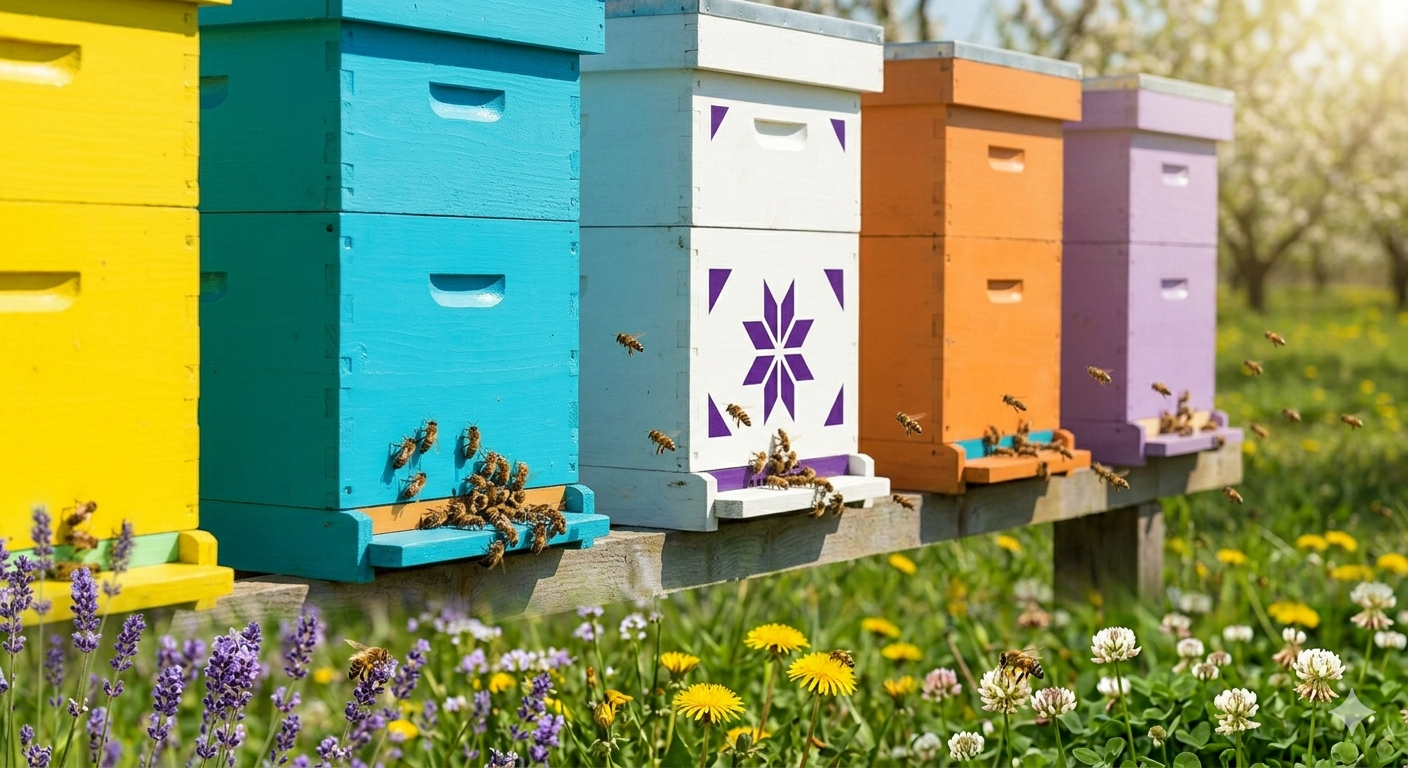
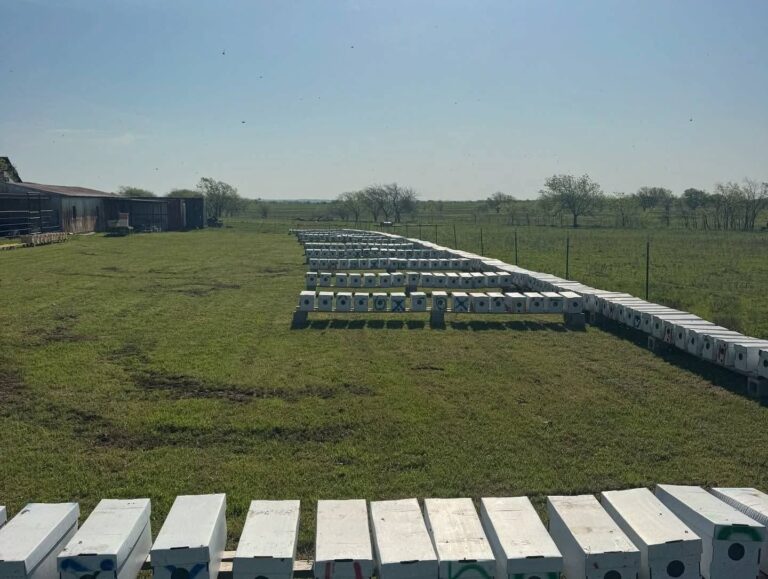
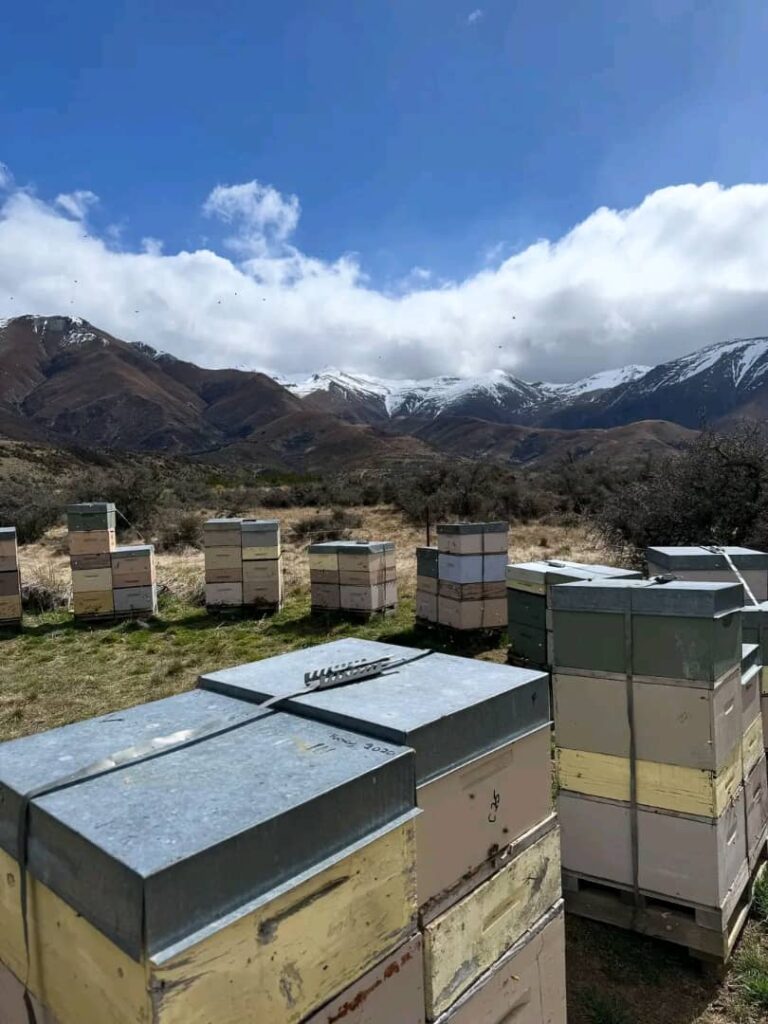
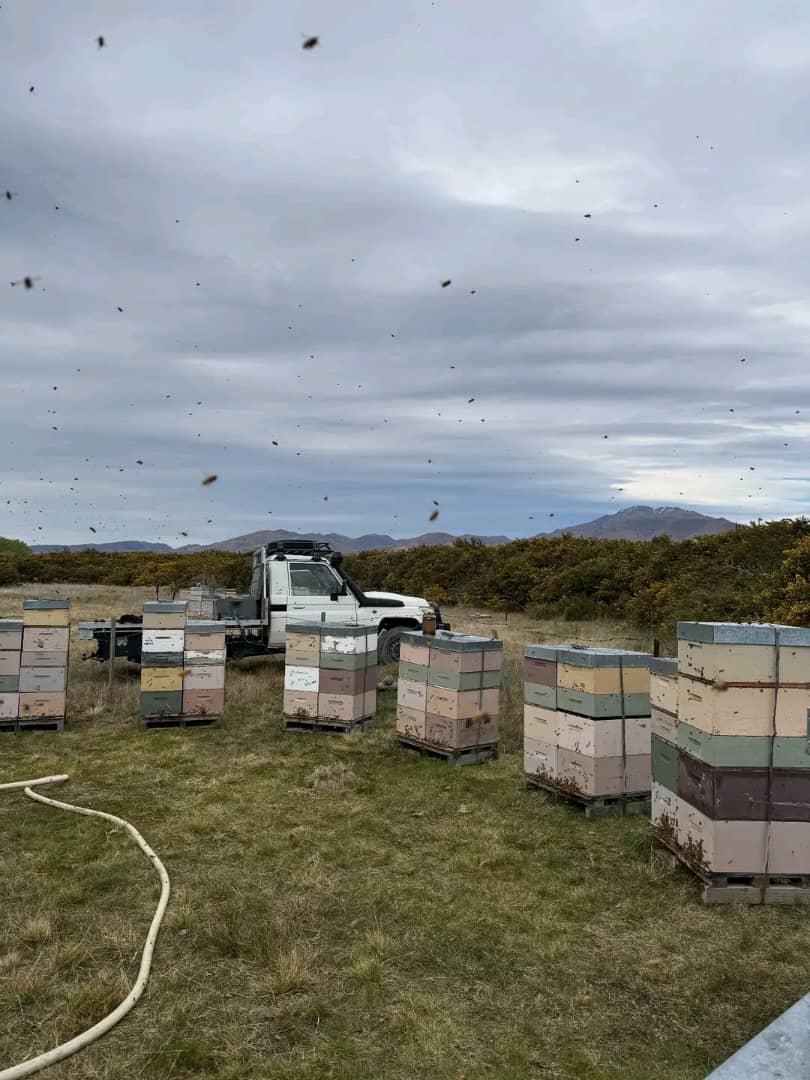
Here is the fully optimized, SEO-driven version of your blog post. It features strategically structured headings, proper formatting for scannability, integrated high-authority dofollow outbound links to validate key concepts, and high-visibility internal anchors for Golden Hive Farm.How Colorful Bee Hives Help Prevent Drift (And Why Your Bees Will Thank You)Every spring, backyard beekeepers focus intensely on the pillars of apiary management: checking for adequate honey stores, managing the brood nest to prevent swarming, and monitoring varroa mite counts. But there is a silent, behavior-driven phenomenon occurring right at the entrance of your hives that could be quietly undermining your honey production and spreading pathogens across your apiary: bee drift.If you look closely at a traditional apiary setup, you will notice a common theme—row after row of identical, pristine white wooden boxes sitting side by side on uniform hive stands. While this classic, minimalist aesthetic looks incredibly sharp to the human eye, it presents a massive navigational nightmare for a foraging worker bee returning home from a long, exhaustive nectar flight.When hundreds of thousands of identical bees are returning to a line of identical white boxes, they get confused. This confusion results in "drift," where bees accidentally enter the wrong hive.At Golden Hive Farm, we want to help you optimize every aspect of your colony's environment. In this comprehensive SEO guide, we will break down the precise science behind honey bee drift, explore how it impacts hive health and honey yields, and provide actionable tips on using colorful bee hives and custom entrance patterns to give your bees a clear visual roadmap.What is Bee Drift? (The Silent Apiary Mix-Up)In an undisturbed natural setting, feral honey bee colonies rarely live close together. Research compiled by the Cornell University College of Agriculture and Life Sciences indicates that a wild swarm will select a tree hollow hundreds of yards—or even miles—away from the nearest neighboring colony. Because of this natural isolation, honey bees evolved localized, hyper-precise navigation systems based on prominent landscape markers, the angle of the sun, and polarized light waves.When we practice modern beekeeping, we compress this natural spacing. We line up multiple colonies side by side in highly concentrated apiaries to maximize land efficiency and simplify our routine management tasks.Definition of Bee Drift: Drift occurs when a foraging worker bee or a young drone departs from their parent hive, collects nectar or pollen, and mistakenly enters a neighboring hive upon their return because the physical boundaries between the structures are visually indistinct.While guard bees are notoriously aggressive toward intruders from other hives during a summer nectar dearth, they are surprisingly welcoming to drifting foragers. If a returning bee lands at the wrong hive entrance carrying a heavy payload of fresh nectar or high-protein pollen, the guard bees will happily usher them inside. The intruder is essentially allowed to "buy" their way into the new family, bypassing the colony’s unique pheromonal scent signature.The Hidden Dangers of Honey Bee DriftAt first glance, a few misplaced bees might seem harmless. After all, a bee is a bee, and as long as they are collecting nectar, does it really matter which box they put it in? Unfortunately, yes. High rates of drift create severe, measurable imbalances in an apiary that directly impact your seasonal honey yields.1. The "Robbing Peter to Pay Paul" Population ImbalanceBee drift is rarely symmetrical. In a long, straight line of identical white hives, drifting bees naturally favor the end hives of the row. Foragers returning from the field tend to land on the first structure they encounter on their flight path or drift downwind toward the margins.Over a single spring season, this directional bias can cause the colonies on the far ends of your row to grow massively large, while the middle hives suffer a slow, frustrating population drain. The middle queens may lay thousands of eggs perfectly, but because their emerging field force keeps drifting into the end hives, the middle colonies never establish the necessary workforce to build out honey supers.2. The Acceleration of Disease (The "Mite Bomb" Effect)This is the most critical threat to your apiary. When a colony becomes heavily infested with Varroa destructor mites or contracts a highly contagious pathogen like European Foulbrood (EFB), its workers become weak and disoriented. These sick, disoriented bees are exponentially more likely to drift into healthy neighboring hives.According to honey bee epidemiological data from the USDA Agricultural Research Service (ARS), a single crashing colony can rapidly distribute mites and viruses to every other box on a uniform row via drifting workers. This creates a devastating domino effect that can wipe out an entire apiary by late autumn.3. Drone Drift and Genetic ContaminationWhile worker bees drift primarily due to environmental and wind factors, drones (male bees) are notorious drifters by choice. Drones possess a biological "free pass" across the apiary; they carry no stinger, do no hive work, and are readily accepted into any colony to rest and feed. Studies show that up to 50% of the drones in a tightly packed apiary reside in hives other than the ones they were born in. If you are trying to breed specific genetic traits or maintain a closed, highly hygienic queenline, heavy drone drift can complicate your trackable metrics.The Vision Science: How Honey Bees See ColorTo understand why colorful bee hives are so incredibly effective at stopping drift, we must step outside of human perception and look at the world through the compound eyes of an insect.Honey bees do not perceive color spectrums the same way humans do. Their vision is shifted dramatically toward shorter wavelengths of light. As detailed by the University of Florida IFAS Extension, while humans see a spectrum ranging from red to violet, honey bees possess a tri-chromatic vision system based on Ultraviolet (UV), Blue, and Green light frequencies.ColorHuman PerceptionHoney Bee PerceptionRedVisibleInvisible (Appears as Black/Shadow)YellowVisibleVisible (Yellow-Green Spectrum)BlueVisibleVisible (Highly Crisp Wavelength)UltravioletInvisibleHighly Visible (Nectar Guides)The Invisible Red SpectrumTo a honey bee, the color red is completely invisible. It appears to them as total blackness or a dark, featureless shadow. If you paint all your hives white but paint the entrances red to differentiate them, you have effectively changed nothing from the bee's perspective.The Power of Ultraviolet (UV)Conversely, bees can see ultraviolet light, which is entirely invisible to humans. Many flowers that appear solidly yellow or white to us actually feature intricate, glowing UV patterns called "nectar guides" that point bees directly toward the pollen center. Honey bees use this same UV-tracking capability to identify landscape features and hive entrances. White paint highly reflects UV light, making it a viable background color only when placed directly next to a strongly contrasting, non-reflective color.Step-by-Step Guide to Designing Colorful Bee HivesNow that you understand the mechanics of bee vision, you can use color psychology and strategic placement to eliminate drift entirely. Follow these practical design steps when prepping your woodenware this season:Step 1: Choose a Bee-Friendly PaletteWhen buying exterior-grade, non-toxic latex paint for your hive bodies, step away from standard contractor white. Instead, mix and match your boxes using colors that pop brightly within the bee's visual spectrum:Vibrant Yellows and Oranges: Highly visible as distinct light wavelengths to foraging bees.Deep Blues and Aquas: Readily perceived with crisp clarity.Purples, Violets, and Lavenders: Excellent choices that combine blue and UV reflectivity.Step 2: Implement the Alternating Color StrategyIf you have a row of four hives, do not paint them all the same shade of blue. Instead, alternate your boxes to create high visual contrast. For example, arrange your row in an alternating sequence:$$\text{Hive 1 (Bright Yellow)} \longrightarrow \text{Hive 2 (Deep Blue)} \longrightarrow \text{Hive 3 (Pure White)} \longrightarrow \text{Hive 4 (Lavender)}$$When a worker bee flies home, they can instantly lock onto their specific color target from dozens of yards away, bypassing the neighboring landing boards effortlessly.Step 3: Add Custom Geometric Entrance SymbolsIf you prefer to keep your main hive bodies looking uniform or want to stick to a specific branding style, you can achieve the exact same drift-prevention results by painting custom, high-contrast geometric symbols directly onto the front face of each bottom board or landing zone.Bees are exceptional at recognizing distinct, high-contrast shapes. Use a black or dark blue outdoor paint stencil to apply one unique symbol per hive entrance:Hive A: A solid star ($\star$)Hive B: A bold equal sign ($=$)Hive C: A crisp triangle ($\Delta$)Hive D: A large circle ($\bigcirc$) or cross ($+$)Avoid using complex, intricate drawings; clean, bold, minimalist geometric lines are far easier for a fast-moving bee to decipher during a high-speed approach landing.Advanced Apiary Layout Tactics to Combat DriftWhile colorful bee hives provide an exceptional visual solution, you can multiply their effectiveness by breaking up the physical alignment of your apiary layout. If you pair color contrast with strategic physical spacing, you can reduce drift metrics to virtually zero.Lining up ten hives in a perfectly straight, uniform row is the most efficient configuration for the beekeeper, but it is the worst possible setup for the bees. If you must use a straight row due to property constraints, space the hives as far apart as possible—ideally a minimum of 3 to 4 feet between boxes.For maximum protection, try these alternative arrangements:1.The Horseshoe or U-Shape Layout:Best for open yards.Arrange your hives in a sweeping semi-circle or horseshoe configuration with the entrances facing outward at slightly different angles. Because no two hives are facing the exact same direction or sharing the exact same flight path, returning foragers face far less directional confusion.2.The Back-to-Back Pair Configuration:Best for small footprints.Group your hives in pairs of two, with the two boxes sitting side by side on a single stand, but face the next pair in the exact opposite direction. You can place four hives in a very small footprint by having two face East and two face West. This complete reversal of flight paths makes accidental drift between the pairs mathematically impossible.3.Utilize Natural Landscaping Markers:Best for homesteads.Position your hives near distinct natural features. Placing a hive next to a large rose bush, under a specific fruit tree, or adjacent to a decorative garden stone gives the bees an immediate, macro-level landscape anchor to guide their initial approach before they lock onto their specific hive color.The Compounding Benefits: Why Your Bees Will Thank YouInvesting the time to paint colorful bee hives and break up your apiary layouts provides massive, compounding dividends for your honey bee colonies' overall health and vitality:Skyrocketing Honey Yields: By keeping your worker populations balanced and preventing your middle hives from being stripped of their field forces, every single colony can reach its true production potential during the peak nectar flow.Dramatically Lower Pest Pressures: Slowing down the transmission rate of varroa mites and viruses gives your organic mite treatments a far higher success rate, preventing re-infestation cycles between neighboring boxes.Reduced Robbing Desperation: Clear visual boundaries reduce accidental landings by confused foragers at foreign entrances, lowering overall defensive tension and aggression across the apiary yard.Higher Queen Mating Success: If you raise your own queens, virgin queens returning from their mating flights are highly susceptible to drifting into the wrong box, where they are immediately balled and killed by worker bees. Colorful hive faces ensure your young queens return safely to their proper nucleus colonies.Elevate Your Apiary Style This WeekendBeekeeping is an art form just as much as it is a science. Moving away from standard white boxes doesn't just make biological sense for your bees—it transforms your backyard or farm into a stunning, vibrant showcase of color and life.Before the upcoming active season hits its stride, grab a few cans of vibrant, non-toxic blue, yellow, and purple paint. Give your hives a gorgeous, colorful makeover that reflects the brilliant diversity of the flowers your bees visit every day. Your colony population metrics will balance out, your disease transmission rates will plummet, and your bees will explicitly thank you with a heavy, bountiful honey harvest!For more expert beekeeping tips, equipment breakdowns, and high-yielding apiary strategies, explore our full library of resources at Golden Hive Farm. Keep your hives colorful, your smoker lit, and happy beekeeping!ReferencesDyer, A. G., & Neumeyer, C. (2005). Simultaneous and successive color discrimination in the honeybee (Apis mellifera). Journal of Comparative Physiology A, 191(6), 547-553.Frisch, K. von. (1967). The dance language and orientation of bees. Harvard University Press.Pfeiffer, K., & Homberg, U. (2014). Organization and functional roles of the central complex in the insect brain. Annual Review of Entomology, 59, 165-184.Seeley, T. D. (2010). Honeybee democracy. Princeton University Press.Southwick, E. E., & Buchmann, S. L. (1995). Effects of drone drift on genetic structure and disease transmission in managed apiaries. Journal of Apicultural Research, 34(1), 15-23.