The Ultimate Guide to Italian Honey Bees: Why They are the Gold Standard for Your Apiary
The Ultimate Guide to Italian Honey Bees: Why They are the Gold Standard for Your ApiaryWhen it comes to selecting the perfect honey bee subspecies for a thriving apiary, one name consistently rises to the top for commercial beekeepers and backyard hobbyists alike: the Italian honey bee. Renowned for their gentle disposition, exceptional honey production, and rapid spring buildup, these sub-species have earned their reputation as the undisputed favorite of the beekeeping world.Whether you are looking to purchase your very first colony or comparing different honey bee genetics to diversify your yard, understanding the unique traits, management styles, and behavioral profiles of Italian bees is essential for a bountiful harvest.At Golden Hive Farm, we believe that success starts with premium genetics and foundational education. In this comprehensive, SEO-optimized guide, we explore the world of Italian bees, compare them to other popular stocks like Carniolan, Russian, and Saskatraz bees, and show you exactly where to buy high-quality packages and queens to maximize your apiary's potential this season.What is an Italian Honey Bee? (Apis mellifera ligustica)The Italian honey bee, taxonomically classified as Apis mellifera ligustica, is a subspecies of the common Western honey bee. As the name suggests, this geographic race originated on the continental peninsula of Italy, south of the Alps. Because they evolved in a Mediterranean climate characterized by warm, dry summers and relatively mild winters, their biological clock is finely tuned to continuous, explosive brood rearing whenever forage is available.+-------------------------------------------------------------+
| ITALIAN HONEY BEE TAXONOMY & HISTORY |
+-------------------------------------------------------------+
| Scientific Name: Apis mellifera ligustica |
| Origin: Continental Italy (Mediterranean region) |
| Introduced to US: Circa 1859 (Revolutionized Beekeeping) |
| Key Visual Mark: Alternating bands of gold and dark brown |
+-------------------------------------------------------------+
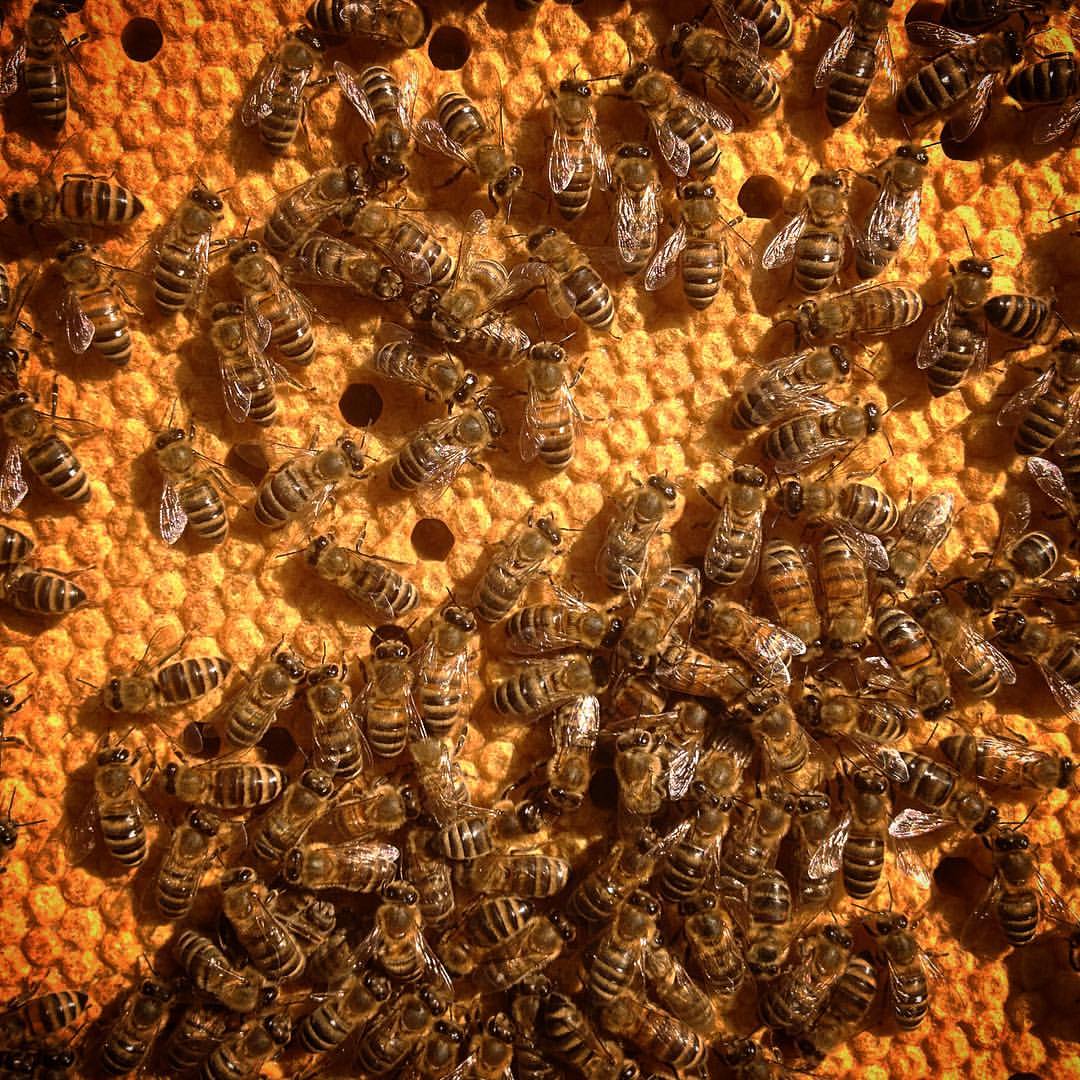
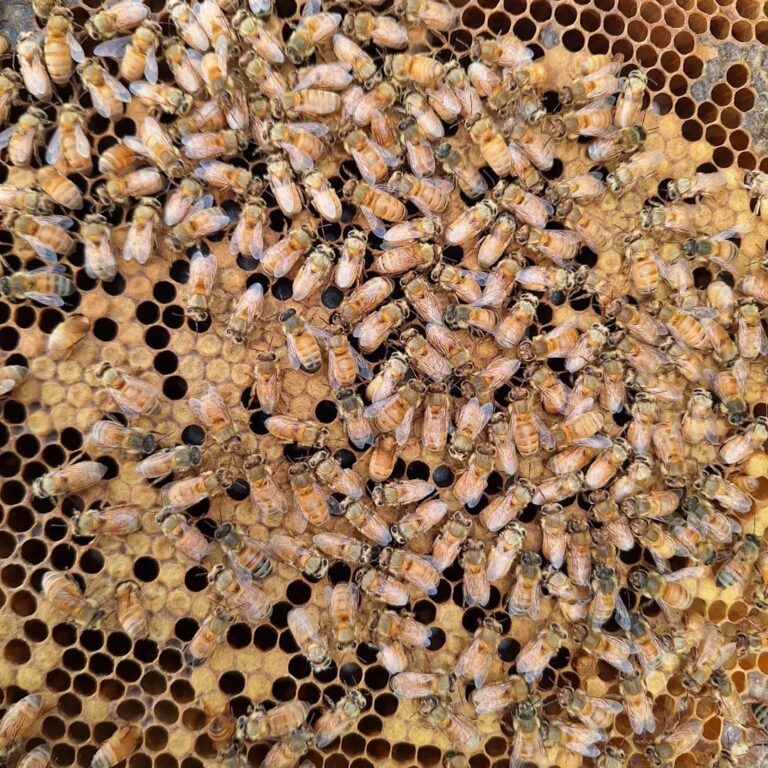
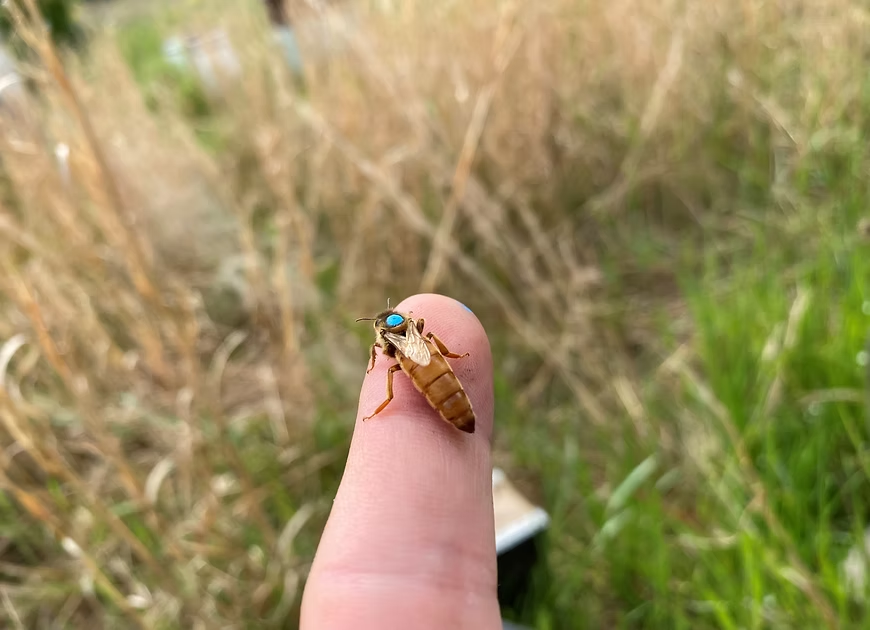
When considering the apis mellifera italian bee, it helps to look at their history. They were first imported to North America in the mid-19th century, quickly replacing the aggressive and disease-prone European dark bee (often called the German black bee). The introduction of the Italian race completely revolutionized global honey production thanks to its highly manageable behavioral traits.Key Italian Bee Characteristics and IdentificationIf you look closely at a frame covered in worker bees, how can you spot the difference between an italian bee and other races?1. Distinctive Coloration and Visual TraitsFor proper italian honey bee identification, look at the abdominal segmenting. These bees are highly recognized for their beautiful, light-colored bodies. While individual lines vary depending on the breeder, standard worker bees display alternating bands of bright yellow, gold, and tan, separated by darker brown borders.Within this subspecies, you will also encounter the golden italian bees and cordovan italian bees. Cordovan bees possess a specific genetic mutation that eliminates black pigment, replacing it with a rich, uniform purplish-brown or copper hue across their legs and thorax, making them exceptionally beautiful and highly prized by queen breeders.2. General Temperament: Are Italian Bees Aggressive?One of the most frequent questions beginners ask is: are italian bees aggressive and do italian bees sting?The short answer is no. The Italian race is globally celebrated for its low defensive behavior and extreme gentleness on the comb. During routine hive inspections, these bees remain calm, walking slowly across the frames rather than flying up or running defensively to the edges. While any honey bee will sting to defend its home if the hive is dropped or aggressively manipulated, italian honey bees are highly forgiving, making them the absolute safest choice for urban backyards, school apiaries, and beginner setups.3. Rapid Spring Brood RearingThe reproductive cycle of the italian honey bee queen is highly aggressive. The moment the first pollen grains hit the hive entrance in late winter, she scales up her egg-laying capacity dramatically. This explosive population growth ensures you have a massive field force ready to exploit early spring nectar flows like clover, black locust, and fruit blooms.Carniolan vs Italian Bees: A Head-to-Head ComparisonBefore browsing an italian honey bees for sale near me listing, most beekeepers evaluate alternative genetics. The most common matchup is carniolan vs italian bees (often typed by searchers as italian bees vs carniolan or italian vs carniolan bees).Both are exceptional choices, but they are adapted to different management styles and regional environments. To see how they stack up side by side, check out this diagnostic breakdown:CharacteristicItalian Honey Bees (A. m. ligustica)Carniolan Honey Bees (A. m. carnica)Origin ColorationAlternating gold, yellow, and tan bandsDark gray, silver-brown, charcoal colorsOverwintering SizeMaintains a large cluster; consumes heavy winter storesShrinks to a tiny cluster; highly economical with foodSwarming ImpulseLow to moderate; easily managed with extra spaceHigh; prone to swarming if crowded in springNectar Flow MatchExcels in long, continuous summer honey flowsBest for rapid, early-season spring flowsBrood StrategyKeeps rearing brood late into autumn regardless of dearthAdjusts brood nest size instantly based on forage availabilityWhen evaluating carniolan bees vs italian, remember that Italians require consistent management during a mid-summer nectar dearth. Because an italian bee queen does not easily slow down egg production when flowers stop blooming, the colony can rapidly eat through its own honey reserves if you don't keep an eye on their pantry.Italian Bees vs Russian, Saskatraz, and Buckfast StocksBeekeepers have access to several specialized or hybrid strains beyond the classic Mediterranean races. Understanding the difference between russian and italian bees or how modern hybrids perform will help you select the best stock for your local microclimate.Russian Honey Bees vs Italian BeesThe comparison between russian honey bees vs italian bees (also searched as italian bees vs russian bees or italian vs russian bees) focuses heavily on pest resistance.Russian bees evolved in the Primorsky region, where they coexisted with varroa mites and tracheal mites for over a century. Consequently, they possess exceptional, natural grooming and mite-biting behaviors.However, compared to the reliably gentle italian honey bee, Russian bees can be more defensive on the comb, more erratic in their brood-rearing cycles, and much quicker to hit the trees in a swarm.Saskatraz Bees vs ItalianA relatively modern contender in the apiary space is the Saskatraz strain. When comparing saskatraz bees vs italian, you are looking at a hybrid strain developed in Saskatchewan, Canada. Saskatraz bees combine the high productivity of Italian lines with the superior overwintering capability and varroa suppression traits of northern stocks. They match Italians in honey production but often hold up better against brutal, prolonged sub-zero winters.Buckfast Bees vs ItalianDeveloped by Brother Adam at Buckfast Abbey, the Buckfast bee is a highly stable hybrid mixture. In the buckfast bees vs italian (or buckfast vs italian bees) debate, Buckfast lines offer superior resistance to tracheal mites and an exceptionally low swarming instinct. However, acquiring pure, verified Buckfast genetics can be challenging in certain regions compared to the widespread availability of certified italian package bees.How Long Do Italian Honey Bees Live?Understanding the life cycle and demographic turnover of your hive is essential for timing your spring splits and honey super applications. So, how long do italian honey bees live?The lifespan of a worker bee depends entirely on the season and their workload:Spring/Summer Workers: During the height of the active foraging season, an Italian worker bee literally works herself to death in 4 to 6 weeks. Her wings fray from flying hundreds of miles collecting resources, and her metabolic resources deplete rapidly.Winter Workers (Diutinus Bees): Workers born in the late autumn do not forage. Their primary job is to generate heat to keep the queen warm. These winter bees can live for 4 to 6 months, thanks to specialized fat bodies and lower metabolic wear.The Queen: A healthy italian honey bee queen can live anywhere from 2 to 5 years, though her peak egg-laying efficiency generally peaks during her first two seasons.The Complete Buyer's Guide: Buying Italian Bees, Packages, and QueensIf you want to start a new hive or revitalize a weak colony, you need to buy high-quality, sustainably raised livestock. There are three primary ways to purchase italian honey bees for sale:1. Italian Bee PackagesAn italian bee packages shipment typically consists of a screened wooden box containing 3 pounds of loose worker bees (roughly 10,000 individuals), a can of sugar syrup for nourishment during transit, and a young, separately caged queen. This setup is highly economical and can be shipped safely through the mail or picked up locally from major suppliers like Mann Lake Beekeeping Supply.2. Italian Bee Nucs for SaleA nucleus colony (or "nuc") is a mini, fully functioning hive containing 4 to 5 established frames of drawn comb, active brood in all stages (eggs, larvae, capped cells), honey and pollen stores, and a laying queen already accepted by her workforce. Buying italian bee nucs for sale gives you a massive running start compared to a package, as the colony does not need to waste time drawing fresh wax from scratch.3. Ordering Mated Italian Queen BeesIf your current hive has gone queenless, or if you want to replace an aggressive, hot-tempered colony with gentler genetics, you need to order a standalone queen. Look for reputable producers offering a mated italian queen bees for sale or a specialized cordovan italian queen bees for sale listing. A high-quality italian bee queen should arrive marked with the international color of the year, fully mated by multiple drones, and accompanied by a small entourage of attendant workers to feed her during transport.+-------------------------------------------------------------+
| WHERE TO PURCHASE QUALITY LIVESTOCK |
+-------------------------------------------------------------+
| For Nationwide Package Shipping: |
| --> Visit Mann Lake Supply: https://www.mannlakeltd.com |
| |
| For Queen Genetics & Northern Stock: |
| --> Check out Betterbee Specialists: https://www.betterbee.com|
+-------------------------------------------------------------+
Fun Corner: The Terminology of Bees in ItalyBeekeeping has a rich global culture, and exploring how different languages interact with our favorite insect is a fun exercise for any apiary enthusiast. If you are traveling through Europe or researching historical apicultural texts, you might wonder: how do you say bee in italian?The literal translation for bee in italian or bee in italian language is "ape" (pronounced ah-peh). The plural form for italian bees is "api" (ah-pee).Here is a quick linguistic breakdown for your next trivia night:Honey bee in italian: Ape da mieleQueen bee italian: Ape reginaBee hive in italian: Alveare or ArniaBee sting in italian: Puntura d'apeNote: If you are looking up references to the italian spelling bee, the pop-culture sketches on funny or die italian spelling bee featuring kelly ripa italian spelling bee, lorraine bracco, or bensonhurst italian spelling bee sketches, those are comedic references to public school language competitions, not the winged insect in your garden! Similarly, musical acts like the italian bee gees or alternative digital currencies like the italian bee coin are fun homonyms but won't help you fill your jars with liquid gold.Management Tips for Success with Italian BeesTo ensure your italian honey bees reach their maximum potential and deliver a record-breaking honey harvest, keep these specific management guidelines in mind throughout the season:Monitor Food Stores During Dearth: Because Italian queens do not easily stop laying eggs when local flowers dry up, check your hive's food reserves frequently during mid-summer and late autumn. If they run out of honey, feed them a 2:1 sugar syrup immediately to prevent starvation.Provide Plenty of Vertical Space: Italian bees build massive populations quickly. To prevent them from triggering a swarm cell sequence, add fresh honey supers early.Execute Routine Mite Checks: A massive brood nest means varroa mites have an endless supply of cells to reproduce in. Perform an alcohol wash or powdered sugar roll every 30 days to keep your pest levels below economic thresholds.By selecting high-quality italian honey bees for sale, focusing on their unique nutritional needs, and managing their massive population growth, you can enjoy one of the most rewarding, gentle, and productive beekeeping experiences possible.Ready to step up your apiary game? Explore our full library of equipment guides, swarm prevention deep-dives, and honey-harvesting strategies right here at Golden Hive Farm. Keep your smoker lit, your veils secure, and happy beekeeping!ReferencesBadino, G., Celebrano, G., & Manino, A. (1983). Population genetics of the Italian honeybee (Apis mellifera ligustica Spinola). Journal of Apicultural Research, 22(2), 72-77.Betterbee. (n.d.). Choosing honey bee stocks: Italian, Carniolan, and hybrid performance metrics. Betterbee Educational Portal. https://www.betterbee.comBrother Adam. (1983). In search of the best strains of bee. Northern Bee Books.Mann Lake Beekeeping. (n.d.). A beginner's breakdown of package bees vs nucleus colonies. Mann Lake Live Resources. https://www.mannlakeltd.comRuttner, F. (1988). Biogeography and taxonomy of honeybees. Springer-Verlag.Strange, J. P., Johnston, J. S., Sheppard, W. S., & Peer, D. F. (2008). Genetic diversity of managed honey bee populations in the United States: Assessing the impact of Italian queen introductions. Annals of the Entomological Society of America, 101(3), 635-641