Australia’s honey bee industry stands at a crossroads. The nation that for centuries enjoyed the status of being one of the last places on Earth free from the world’s most devastating honey bee parasite now faces an existential crisis. Yet within this challenge lies opportunity—for innovation, for diversification, and for a deeper appreciation of the remarkable insects that sustain Australian agriculture.
From the ancient forests producing manuka honey with potent antimicrobial properties to the bustling almond orchards that depend on pollination services worth billions, the story of Australia honey bees is one of resilience, ecological significance, and urgent transformation.
Whether you’re a commercial beekeeper managing Langstroth hives, a hobbyist apiarist exploring Australian native bees, or simply a honey enthusiast seeking the purest Australian honey, this comprehensive guide delivers the most current and authoritative information available.
The Remarkable Diversity of Australian Bees
Native Australian Bees: A Hidden Treasure
Australia is home to approximately 1,700 known native bee species, and scientists continue to discover more each year. In a landmark 2025 study, a team of Australian researchers described 71 new native bee species belonging to the resin pot bees (Megachile (Austrochile)), which are unique to Australia and present in every state and territory except Tasmania.
The discovery highlights how much remains unknown about Australia’s native pollinators. “An estimated one-third of bee species remains unknown to science, and dearth of funding for taxonomic work hampers our ability to assess the conservation status and undertake action to protect native bees,” says Dr Katja Hogendoorn from the University of Adelaide. “We may be losing species that we don’t even know about yet”.
Among the most remarkable recent discoveries was Megachile (Hackeriapis) lucifer—a new native bee species with tiny devil-like “horns” discovered in Western Australia’s Goldfields region in November 2025. The species was found during surveys of the critically endangered wildflower Marianthus aquilonarius.
The vast majority of Australian native bees are solitary. Unlike the social European honey bee, these solitary bees do not live in large colonies or produce harvestable honey. Instead, they play crucial roles as pollinators in Australia’s unique ecosystems.
Among the most fascinating native species are:
- Blue-banded bees (Amegilla)—striking insects with metallic blue bands that are excellent buzz pollinators
- Carpenter bees—large bees that burrow into timber
- Leafcutter bees (Megachile)—known for cutting neat circles from leaves
- Resin pot bees—which build resin pots to protect their brood, with solitary mother bees hanging their pots individually from twigs or as clusters on tree bark
Stingless Bees: Australia’s Own Honey Producers
Among the native bee species, approximately 15 species of social stingless bees in the genera Austroplebia and Tetragonula stand out as the only native bees that produce and store honey.
Australian stingless bees, also known as sugarbag bees, have been prized by First Nations peoples for food and medicine for tens of thousands of years. Their honey, called “sugarbag honey,” is exceptionally rare and valuable.
Recent scientific research has revealed that stingless bee honey possesses extraordinary properties. A 2025 study published in Applied and Environmental Microbiology demonstrated “strong antimicrobial activity and unique physicochemical characteristics in honey from Australian stingless bees Tetragonula carbonaria, Tetragonula hockingsi, and Austroplebeia australis“. These honeys showed unique antioxidant properties, with phenolic content ranging from 26.1 to 58.6 mg of gallic acid equivalents per 100g.
Key species include:
- Tetragonula carbonaria—the most common species in eastern Australia
- Tetragonula hockingsi—found in northern regions
- Austroplebeia australis—distributed across tropical Australia
These stingless native bees are small—just 3–8 mm in size—and mostly confined to tropical and subtropical regions. A single native bee hive produces only about 1 kg of honey per year, making stingless native honey one of the rarest natural products in the world.
The European Honey Bee: Australia’s Agricultural Workhorse
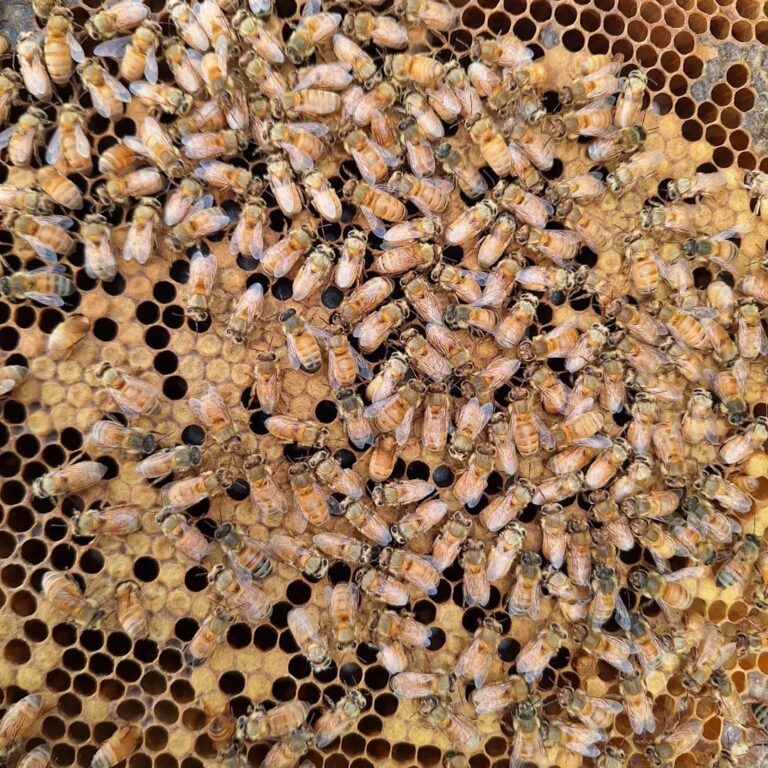
While native bees are ecologically invaluable, the European honey bee (Apis mellifera) is the backbone of Australia’s commercial honey industry and pollination services. Introduced to Australia in 1822, these bees have become essential to the nation’s agricultural prosperity.
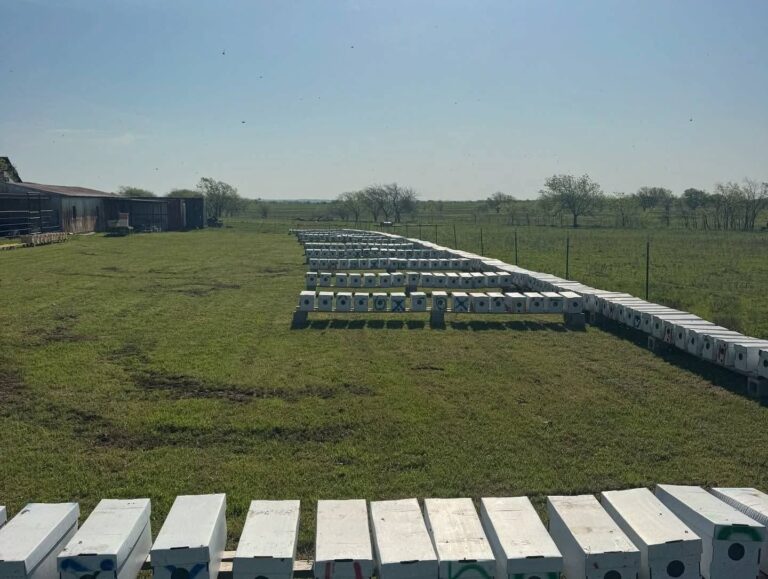
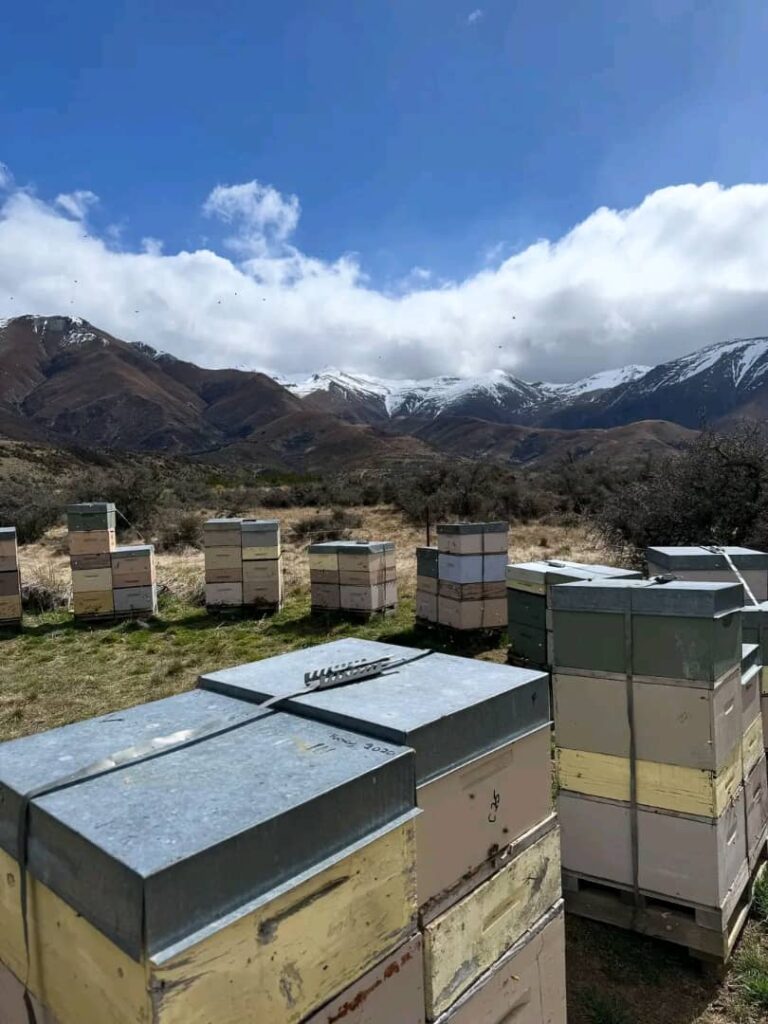
Today, Australia has approximately 855,000 registered managed hives. The industry comprises almost 2,000 commercial beekeeping enterprises and more than 47,000 recreational beekeepers. The beekeeping industry generates substantial revenue, with IBISWorld reporting 1,206 businesses employing an average of 1.8 workers each.
The Hidden Economic Engine: Pollination Services
Perhaps the most valuable contribution of Australia honey bees isn’t honey at all—it’s pollination. The numbers are staggering:
- $14.2 billion in value to Australian agriculture
- $12.9 billion value of crops at least partially reliant on honey bee pollination
- $4.6 billion annual contribution of honey bee pollination services
- 65% of Australian agricultural production benefits from honey bee pollination
Crops Dependent on Honey Bee Pollination
Some crops are 100 per cent reliant on managed honey bee pollination for yield, including:
- Almonds—worth $1.33 billion, requiring nearly 300,000 hives moved into almond orchards each season
- Berries—combined value of $1.38 billion
- Avocados—worth $718.7 million
- Apples, cherries, stone fruit, cucumbers, pumpkins, canola, macadamias
- Lucerne and clover for the pastoral sector
The almond industry’s pollination costs have skyrocketed from around $30 per hive** to **roughly $200. As pollination provider James Brownlie warned: “There’s just not going to be enough hives available to actually meet the demands. I think that we’re facing a slow-moving food crisis and no-one is aware that it’s coming”.
The Varroa Mite Crisis: Australia’s Greatest Threat
The Arrival and Spread
The Varroa destructor mite represents the single greatest threat to Australia honey bees. In June 2022, varroa mite was detected in sentinel hives at the Port of Newcastle, New South Wales. Following a 14-month emergency response, it was determined in September 2023 that eradication was no longer achievable.
The two-year transition to management program ended in February 2026. Varroa mite has since been detected in New South Wales, Queensland, Victoria, South Australia, and the Australian Capital Territory.
Treatment Resistance: A Nightmare Scenario
In May 2026, Victoria and South Australia confirmed treatment resistance to both major synthetic treatment groups—pyrethroids (such as Apistan and Bayvarol) and formamidines with the active ingredient Amitraz (such as Apitraz and Apivar). This followed confirmation of treatment resistance in northern New South Wales and Queensland in early 2026.
The implications are devastating. “Resistance in varroa mite populations can arise quickly, particularly when they are repeatedly exposed to synthetic miticides,” warns the Australian Government’s outbreak website. “When varroa mites develop resistance to one or more treatment chemicals, valuable tools for controlling their populations are lost”.
Colony Collapse and Industry Devastation
The impact has been catastrophic. An estimated 90 per cent of south-east Queensland’s wild honey bee colonies have collapsed just over a year after varroa was first detected in the state in March 2025. Almost all managed colonies are in a battle for survival.
Queensland beekeeper Rick McFarlane described the situation: “For south-east Queensland, the only word I can use now is devastation”. He demonstrated the grim reality of mite counting, pouring hundreds of bees into alcohol, straining them out, and counting the mites that fall off. “We’re hoping for less than three,” he explained. But peering inside a plastic jar, he frowned: “Sixteen varroa mites in that sample”.
The costs are crippling. McFarlane reported: “I’ve only got 150 hives, and it’s $1,500 to $3,000 extra per month that I’ve got to cover”.
The National Colony Loss Survey revealed:
- 6.8% national annual colony loss rate in 2023-24
- 10.5% in 2024-25
Central Victorian beekeeper and industry leader Peter McDonald believes up to half of all bee businesses could fold because of varroa mite. “Every beekeeper right now is going through a thought process where they’re deciding whether they can continue, whether it’s worthwhile,” he said. “As an estimate, it could be a third to half of beekeeping businesses [that fold]”.
The Pollination Shortfall
The Pollination Security Status Report 2026, released by the Wheen Bee Foundation, warns of a shortfall of close to 300,000 commercial beehives for the peak pollination season in August. The prediction of a shortfall of 290,000 hives for New South Wales, Victoria, Queensland and South Australia is modelled on overseas impacts of varroa mite.
Foundation chief executive Fiona Chambers said the impact would be “massive”. “Honey bees are particularly important for agriculture. Almonds are one of the big, big players, but it’s cherries, stone fruit, avocados, apples. It’s very broad the reach of this”.
Imports Fill the Gap
Australia’s domestic honey production in 2024 was 11,000 tonnes. Consumption was 15,000 tonnes. The gap was filled by 9,000 tonnes of imports—with approximately 3,500 tonnes coming from China, followed by Malaysia and Thailand. This means imports are now meeting approximately 40% of domestic demand.
Trade data showed honey imports surged 36% in 2024–25 to 10,208 tonnes, with average prices falling 30% year-on-year.
Biosecurity: Protecting What Remains
The Australian Honey Bee Industry Biosecurity Code of Practice
In response to the varroa crisis, the Australian Honey Bee Industry Biosecurity Code of Practice (the Code) was updated in October 2025 to reflect the establishment of Varroa destructor in parts of Australia.
The Code’s objectives are to:
- Increase productivity by improving pest and disease control
- Assist beekeepers in recognising exotic pests and diseases
- Ensure regular surveillance for pests and diseases
- Assist with the management of Varroa mite in Australia
- Assist in the management of American foulbrood (AFB)
- Facilitate cross-border movement of bees
- Ensure the future viability of the industry
Key Requirements
Part B of the Code is compulsory for ALL beekeepers and requires:
- Registration as a beekeeper with state/territory authorities
- Reporting of notifiable pests and diseases
- Regular hive inspections—at least three inspections per year with minimum three months between inspections
- Control or eradication of pests and disease
- Maintenance of biosecurity records
- Proper hive construction, maintenance, and branding
- Allowing operations to be assessed
Part C applies to beekeepers managing 20 or more hives and requires:
- Demonstrated knowledge of pest and disease identification
- Annual honey testing for American Foulbrood
- Declaration of compliance with the Code
Other Threats
Beekeepers must remain vigilant for:
- American foulbrood (AFB)—a bacterial disease requiring annual testing
- Exotic pests and diseases that could further devastate the industry
- The Asian honey bee (Apis cerana)—established in northern Queensland
- Bumble bees (Bombus terrestris)—present only in Tasmania
Australian Honey: A World of Flavours
Iconic Australian Honey Varieties
Australian honey is renowned globally for its diversity and quality, largely thanks to the continent’s unique flora. Eucalypt varieties dominate commercial production, with several standout types commanding premium prices:
Yellow Box Honey
One of Australia’s most beloved honey varieties, yellow box honey is prized for its mild, sweet flavour and extra light amber colour. It’s a staple in supermarkets across the country.
Red Gum Honey
Produced from the River Red Gum (Eucalyptus camaldulensis), this honey offers a well-balanced flavour profile that’s consistently in high demand.
Ironbark Honey
Ironbark honey is another commercial favourite, known for its stability and distinctive character.
Stringybark Honey
With a strong, medium amber character, stringybark honey comes from the forests of the Great Dividing Range.
Jarrah and Marri Honey
From Western Australia’s south-west, jarrah and marri honey have earned international recognition for their unique properties. Some sources suggest Jarrah honey has four times the activity of manuka.
Manuka Honey
Australian manuka honey has emerged as a high-value export product. Produced from over 80 species of Leptospermum plants native to Australia, Australian manuka honey is prized for its antimicrobial properties driven by methylglyoxal (MGO) content.
Other Notable Varieties
- Blue Gum—light amber forest honey from the south
- Karri—amber honey from Western Australian forests
- Leatherwood—unique Tasmanian honey
- Coastal Heath—delicate floral aroma for boutique markets
- Bimble Box and Bloodwood—darker, stronger honeys
Health Benefits
Raw Australian honey is prized for its:
- Antioxidants
- Trace minerals
- Natural enzymes
- Soothing properties
- Antimicrobial activity (especially manuka and stingless bee honey)
The Australian Honey Market: By the Numbers
Market Value and Growth
The Australian honey market was valued at AUD $237.5 million in 2025**. According to Research and Markets, it is projected to reach **AUD $437.5 million by 2034, growing at a 6.3% compound annual growth rate.
Exports
Australia exports about 10% of its honey, with major markets including:
- North America—the primary export destination by volume
- East and South-East Asia
- The Middle East
China commands the highest export prices. Exports were 5.1K tonnes in 2024.
The Western Australian honey market is expected to grow at a rate of 16.2% from 2024 to 2032—the fastest segment in the country.
The Import Challenge
Australia imported 9,000 tonnes of honey in 2024, primarily from China by volume but New Zealand by value. This highlights a significant price disparity—New Zealand import prices are over 10 times higher than Vietnam’s.
The Future of Australia’s Honey Bee Industry
Challenges
- Varroa mite—now endemic, with treatment resistance spreading
- Colony losses—rising from 6.8% to 10.5%
- Pollination shortfall—potential 290,000 hive deficit
- Feral population collapse—90% of south-east Queensland’s wild colonies gone
- Beekeeper exodus—up to 50% of businesses may fold
- Increasing costs—$30,000+ per year in treatments for commercial operations
- Import competition—imports meeting 40% of domestic demand
Opportunities
- Premium honey markets—especially manuka honey
- WA honey renaissance—16.2% CAGR growth
- Native stingless bee honey—rare, high-value product with proven antimicrobial properties
- Medical applications—stingless bee honey showing promise against antibiotic resistance
- Export growth—global market projected to reach US$1,345.5 million by 2032
- Research and development—improving production techniques and Integrated Pest Management strategies
The Path Forward
The Wheen Bee Foundation is leading the Australian Pollination Strategy—a five-year national initiative in collaboration with industry, research institutions, environmental organisations and government stakeholders. The project aims to strengthen pollination security through improved coordination, evidence-based planning and long-term strategic action.
As Fiona Chambers of the Wheen Bee Foundation stated: “This report really puts numbers against how important, how urgent and how soon this is coming”.
Why Choose Australian Honey?
Purity and Quality
While varroa has spread through eastern states, many regions still produce honey from healthier bees. Australian honey remains renowned for its purity and natural quality.
Unique Flavours
From the mild sweetness of Yellow Box to the robust earthiness of Bloodwood, Australian honey offers an unparalleled range of flavours shaped by the continent’s diverse landscapes.
Supporting Australian Beekeepers
Every purchase of Australian honey supports the beekeepers who are fighting to sustain this vital industry through unprecedented challenges.
Golden Hive Farm: Your Trusted Source for Australian Honey
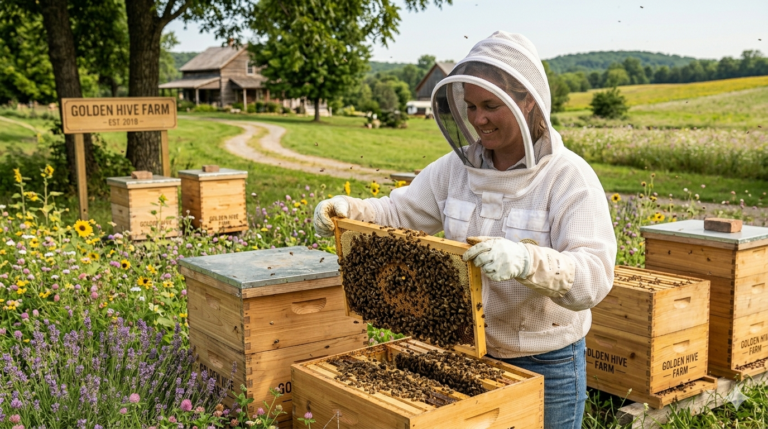
When it comes to experiencing the finest Australian honey, look no further than Golden Hive Farm . As a premier provider of premium Australian honey products, Golden Hive Farm embodies the best of Australia’s beekeeping heritage.
Golden Hive Farm is committed to:
- Sustainable beekeeping practices that protect Australia’s precious bee populations
- Pure, unadulterated honey—free from additives and processing
- Supporting Australian beekeepers and the local industry
- Educating consumers about the importance of bees and pollination
Visit https://goldenhivefarm.com to explore their exceptional range of Australian honey and experience the pure taste of Australia’s unique floral landscapes.
Frequently Asked Questions
How many species of bees are in Australia?
Australia has approximately 1,700 known species of native bees, with an estimated one-third still unknown to science.
What is the most common honey bee in Australia?
The European honey bee (Apis mellifera) is the most common and economically important honey bee in Australia.
Does Australia have native honey bees?
Yes, Australia has approximately 15 species of social stingless bees in the genera Austroplebia and Tetragonula that produce honey.
What is sugarbag honey?
Sugarbag honey is the traditional Indigenous name for honey produced by Australian stingless native bees.
Is manuka honey produced in Australia?
Yes, Australian manuka honey is produced from over 80 species of Leptospermum plants native to Australia.
How much is the Australian honey industry worth?
The Australian honey market is valued at $237.5 million** (2025), projected to reach **$437.5 million by 2034.
What is the biosecurity code for Australian beekeepers?
All beekeepers must comply with the Australian Honey Bee Industry Biosecurity Code of Practice, which requires registration, pest reporting, regular inspections, and record-keeping.
What crops depend on honey bee pollination in Australia?
Crops 100% reliant on honey bee pollination include almonds ($1.33 billion), berries ($1.38 billion), avocados ($718.7 million), apples, cherries, stone fruit, cucumbers, pumpkins, and canola.
How serious is the varroa mite threat?
Extremely serious. Varroa has caused 90% collapse of wild colonies in south-east Queensland, with up to 50% of beekeeping businesses expected to fold and a 290,000 hive shortfall predicted for peak pollination.
Conclusion
Australia honey bees represent one of the nation’s most valuable natural assets. From the 1,700+ species of native bees to the industrious European honey bees that pollinate $14.2 billion worth of agriculture, these remarkable insects sustain both our ecosystems and our economy.
The challenges facing the industry—varroa mite, treatment resistance, colony losses, and pollination shortfalls—are unprecedented. Yet the opportunities are equally compelling: premium honey markets, medical applications of stingless bee honey, and growing global demand for pure Australian honey.
The Pollination Security Status Report 2026 makes clear that coordinated action is needed now. As Peter Knoblanche, Chair of the Wheen Bee Foundation, stated: “Pollination is often invisible because when it works, everything functions as expected. Yet it is essential to Australia’s food production, natural environment and the economy”.
Whether you’re a commercial beekeeper managing hives through the varroa crisis, a hobbyist exploring native stingless bees, or simply a consumer seeking the finest Australian honey, understanding this remarkable industry enriches your appreciation of every golden drop.
For the purest, most authentic Australian honey experience, visit Golden Hive Farm and taste the difference that comes from Australia’s unique floral heritage.
Frequently Asked Questions
About Australian Honey Bees & Beekeeping
1. How many species of bees are in Australia?
Australia has approximately 1,700 known species of native bees, with scientists estimating that up to one-third of bee species remain undiscovered. In 2025 alone, a team of researchers described 71 new native bee species.
2. What is the most common honey bee in Australia?
The European honey bee (Apis mellifera) is the most common and economically important honey bee in Australia. It was introduced from Europe in about 1822.
3. Does Australia have native honey bees?
Yes. Australia has approximately 15 species of social stingless bees in the genera Austroplebia and Tetragonula that produce honey. However, the vast majority of Australia’s 1,700+ native bee species are solitary and do not produce harvestable honey.
4. What is the difference between European honey bees and Australian native bees?
European honey bees are social, produce large quantities of honey, and can sting. Most Australian native bees are solitary, do not produce honey, and many are too small to deliver an effective sting. Native bees have evolved alongside Australian plants for millions of years.
5. Do native bees sting?
Most Australian native bees are not aggressive. Social stingless bees cannot sting at all. Solitary native bees can sting, but most species are too small to deliver an effective sting and are not aggressive.
6. What is sugarbag honey?
Sugarbag honey is the traditional Indigenous name for honey produced by Australian stingless native bees. It has been prized by First Nations peoples for food and medicine for tens of thousands of years.
7. Where are stingless bees found in Australia?
Stingless bees are tropical and thrive in warm areas such as Queensland, northern areas of WA and NT, and north-eastern areas of NSW. Tetragonula species are generally more coastal, while many inland areas only have Austroplebeia species.
8. Can I keep stingless bees in my backyard?
Yes, native stingless bees can be kept in a natural log or in a hive box in suitable parts of Australia. However, they require specific climatic conditions and should be placed in complete shade.
9. Do I need to register my beehives in Australia?
Yes. In Australia, beekeepers are required to register their hives with the local agricultural authority. This helps with tracking hive health and mitigating biosecurity risks.
10. Can I keep bees in an urban area?
Yes, many people successfully keep bees in urban areas. However, it’s important to check with your local council as guidelines are council-specific for urban beekeeping.
11. How often should I inspect my hive?
Inspections are typically recommended every 3 weeks during spring and summer. In cooler months (May–July), inspections can occur less frequently as bees prefer not to be opened in cooler conditions.
12. What is the best time of year to start beekeeping?
The best time to start beekeeping is August to December. As a general rule, don’t expect your first hive to produce any robbable honey in the first 12 months.
13. What should I do if I get stung by a bee?
If stung, remove the stinger as quickly as possible using a scraping motion. Apply a cold pack to reduce swelling and take antihistamines if necessary. Seek medical attention if you experience severe allergic reactions.
About Varroa Mite & Biosecurity
14. What is the Varroa mite and why is it a problem?
Varroa destructor is a small external parasitic mite that feeds on honey bees, weakens colonies, and spreads viruses. It is considered one of the most destructive pests of honey bees worldwide.
15. How does Varroa mite spread?
Mites transfer on adult bees and through drifting bees, robbing behavior, swarm movements, and hive equipment.
16. What are the early signs of Varroa infestation?
Beekeepers should watch for:
-
Deformed wings or stunted abdomens in adult bees
-
Irregular brood patterns
-
Spotty brood and uncapped cells
-
Visible mites on adult bees or inside brood cells
-
A sudden, unexplained decline in colony strength
17. How often should I monitor for Varroa?
Before establishment: at least 4 times per year. After establishment: monthly monitoring (except during treatment and very cold winter).
18. Which mite monitoring methods are recommended?
Standardised methods include alcohol wash, soapy water wash, and sugar shake of 300 bees per colony. Alcohol wash or soapy water wash remains the most reliable practical method.
19. Are native bees impacted by Varroa mite?
No. Native bees are not affected by Varroa mite.
20. What do I do if I find Varroa mites?
Report detections as required (varroa is notifiable in all states and territories) and begin integrated management, including treatment and biosecurity practices.
21. How can I avoid miticide resistance?
Rotate products and integrate cultural/mechanical tools to prevent mites developing resistance.
22. Are there non-synthetic treatment options for Varroa?
Yes — for example, Formic Pro is a non-synthetic Varroa treatment.
About Australian Honey
23. Is manuka honey produced in Australia?
Yes. Australian manuka honey is produced from over 80 species of Leptospermum plants native to Australia.
24. What are the most popular Australian honey varieties?
Popular varieties include Yellow Box, Red Gum, Ironbark, Stringybark, Jarrah, Marri, Manuka, and Leatherwood honey.
25. What makes Jarrah honey special?
Jarrah honey is the premium category — rare, rich, and smooth with a caramel-like flavour. Some sources suggest Jarrah honey has four times the activity of manuka.
26. Why does my honey crystallise?
Crystallisation is a natural process in raw, unprocessed honey. It does not indicate spoilage. Gently warming the jar in warm water will return it to liquid form.
27. What is raw and unfiltered honey?
Raw honey is honey that has not been heated or pasteurised, preserving its natural enzymes, antioxidants, and health benefits. Unfiltered honey retains small particles of beeswax and pollen.
28. Is your honey organic?
Certified organic honey is free of all possible contamination. Certification is a 12-month process with Australian Certified Organic.
29. What is the honey levy?
The honey levy is a federal compulsory charge collected on all honey produced and sold in Australia at the first point of sale. It’s currently set at 5.6 cents per kilogram, applying to both commercial and amateur beekeepers who sell over 1,500 kg per annum.
Buying & Storing Australian Honey
30. Where can I buy authentic Australian honey?
You can purchase premium Australian honey from Golden Hive Farm and other trusted Australian producers.
31. What should I look for when buying Australian honey?
Look for 100% Australian honey labels, check for raw or unfiltered claims if you want maximum health benefits, and consider the MGO or TA rating for manuka and jarrah honeys.
32. How should I store my honey?
Store honey in a cool, dry place away from direct sunlight. Keep the lid tightly sealed to prevent moisture absorption.
33. Can diabetics eat honey?
Honey has a lower glycaemic index than refined sugar but still contains sugars. Diabetics should consult their doctor before consuming honey.
34. Do you ship honey internationally?
Many Australian honey producers offer international shipping. However, each importing country has unique customs regulations, so check before ordering.
35. How can I help save Australian bees?
You can help by:
-
Planting bee-friendly flowers in your garden
-
Reducing pesticide use
-
Providing water sources for bees
-
Leaving some garden debris or bare ground for ground-nesting native bees
-
Supporting local beekeepers by purchasing local honey
-
Installing a bee hotel for solitary native bees
Newsletter Updates
Enter your email address below and subscribe to our newsletter