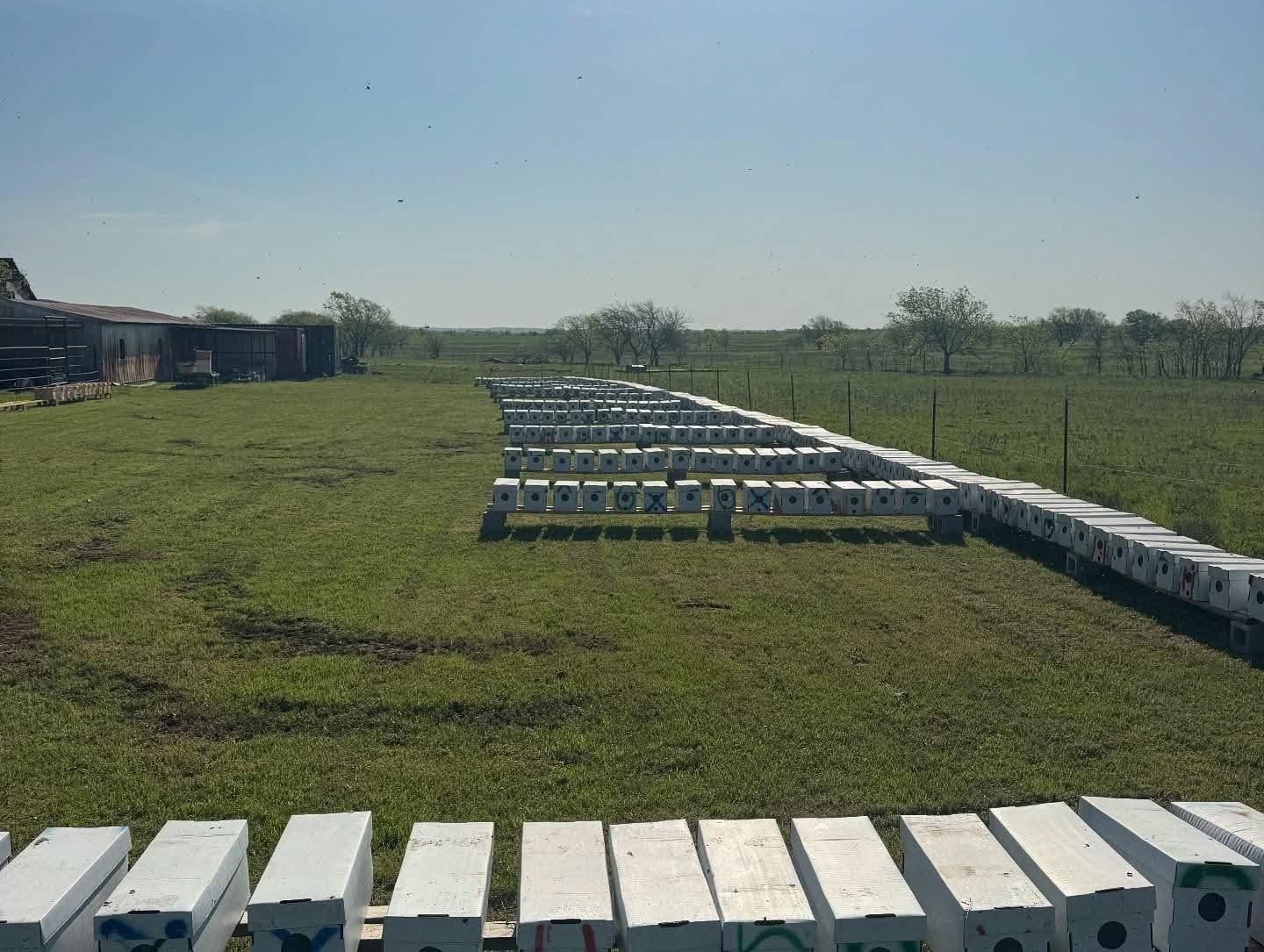
Canada’s honey industry is experiencing a remarkable transformation. The nation that spans from the Pacific to the Atlantic produces some of the world’s most distinctive and high-quality honeys—from the delicate sweetness of clover honey to the robust, molasses-like richness of buckwheat honey. With the Canadian honey market valued at USD 730.65 million in 2025 and projected to nearly double to USD 1.21 billion by 2034, there has never been a better time to explore, buy, and invest in Canadian honey.
Whether you’re looking to buy Canadian honey online, searching for the best Canadian honey brands, or wanting to understand the forces shaping Canadian honey prices, this comprehensive guide delivers the most current and authoritative information available.
The Canadian Honey Market: By the Numbers
Market Size and Growth
The Canadian honey market represents a substantial and rapidly growing economic sector. According to Deep Market Insights, the market stood at USD 730.65 million in 2025 and is anticipated to grow to USD 1,211.47 million by 2034, advancing at a CAGR of 5.79%.
Canada accounted for 6.88% of the global honey market in 2025 and is identified as the fastest-growing market in North America.
Production Statistics
According to Agriculture and Agri-Food Canada, the national total number of honey bee colonies grew to a record high of 854,653 in 2025—1.3% more than the previous year and 5.1% higher than the average of the previous four years.
Honey production by volume rose by 3.81% from a year earlier to 84.1 million pounds. With higher volumes, the total national value of the harvest increased by **6.4% to $241 million**, up from $227 million the previous year.
Regional Concentration
The prairie provinces (Manitoba, Saskatchewan, and Alberta) dominate Canadian honey production:
- 63% of all Canadian honey bee colonies are kept in the prairie provinces
- 80% of total national honey production comes from the prairies—totaling 66,970 thousand pounds out of 84,080 thousand pounds nationally
- The prairie provinces were responsible for 81% of 2025 export shipments of honey by value
In contrast, 65% of beekeepers operate in Ontario and British Columbia, managing 24% of the national total of colonies.
Honey Sales
Sales of honey rose **14.8% year over year to $241.3 million in 2025**. However, this was 17.5% below the record-high $283.5 million sold in 2023.
Canadian Honey: A World of Flavours
Iconic Canadian Honey Varieties
Canada’s vast and diverse landscapes produce an extraordinary range of honey varieties, each with its own unique flavour profile, colour, and nutritional properties.
Clover Honey
A classic Canadian honey and what you’ll most often find in grocery stores. Clover honey has a mild, cinnamon-y taste and a light amber hue. It’s the most widely produced honey variety in Canada and a favourite for everyday use.
Alfalfa Honey
Harnessed from the nectar of the purple alfalfa blossom, alfalfa honey is mild and delicate without being too sweet. It’s particularly popular in the prairie provinces where alfalfa is widely grown for forage.
Buckwheat Honey
This is the darkest and most robust of Canadian honeys. Buckwheat honey displays the highest acid content and offers a molasses-like, malty flavour. It’s prized for its high antioxidant content and is often used in baking and marinades.
Blueberry Honey
Collected from blueberry blossoms, this honey has a brown sugar-like finish. Interestingly, honey collected from a plant’s blossom won’t necessarily taste like the fruit grown by that plant—blueberry honey has its own distinctive character.
Fireweed Honey
Fireweed honey is light and delicate with a buttery flavour. It’s produced primarily in regions where fireweed grows abundantly, particularly in British Columbia and the Yukon.
Goldenrod Honey
Goldenrod honey has been identified in scientific studies as having higher diastase and invertase activity. It’s a popular variety in Quebec and Eastern Canada.
Dandelion Honey
Dandelion honey is often the first “honey flow” of the season. It has a distinctive, slightly tangy flavour and is prized by those who appreciate its unique character.
Wildflower Honey
Wildflower honey—also known as mixed floral honey—is produced when bees forage on a diverse range of blooming plants. The flavour varies by region and season, making each batch unique.
Canola Honey
Canola honey is produced in significant quantities in the prairie provinces where canola is a major crop. It has a light colour and mild flavour but is known to crystallize quickly due to its high glucose content.
Honeydew Honey
Unlike blossom honeys, honeydew honey is produced from the sweet excretions of aphids feeding on tree sap. It has a darker colour and a more complex, less sweet flavour profile.
Canadian Honey Grades
There are three grades of honey produced in Canada: Canada No. 1, Canada No. 2, and Canada No. 3. Canada No. 1 represents the highest quality, with the most stringent standards for colour, flavour, and clarity.
The Beekeeping Industry: Structure and Practices
Beekeepers and Colonies
Beekeeping is an important agricultural industry in Canada, producing honey and other hive products while delivering valuable pollination services to farmers of orchard fruits, berries, vegetables, forage crops, and hybrid canola seeds.
The industry is characterized by:
- 854,653 honey bee colonies nationally (2025 record high)
- A mix of commercial and hobbyist beekeepers
- Strong regional concentration in the prairie provinces
Queen Bee Production and Imports
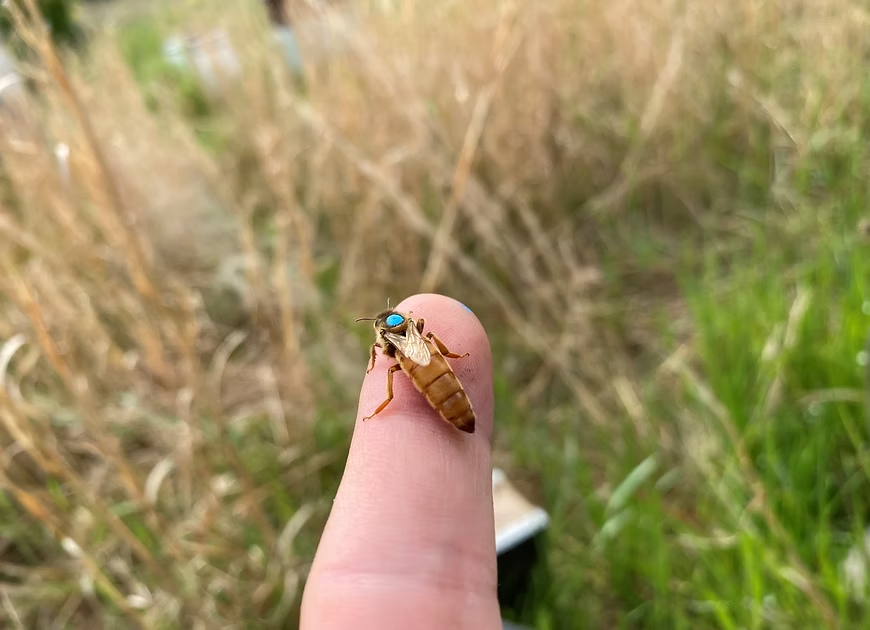
A single queen bee can lay roughly 2,000 eggs every day, storing enough sperm during a single mating flight to fertilize those eggs for about three years.
Many Canadian beekeepers replace queens annually to keep colonies productive. While replacement queens have traditionally been imported from places such as California, Hawaii, Italy, and Australia, Canadian beekeepers are increasingly working to raise their own—a difficult task given the country’s short production season.
Canadian beekeepers also import package bees (a few pounds of worker bees, often with a mated queen) each spring to supplement domestic supplies, rapidly replace over-winter queen and colony losses, and grow beekeeping operations.
The Economic Value: Pollination Services
Billions in Agricultural Value
The value of Canadian honey bees extends far beyond honey production. According to Agriculture and Agri-Food Canada, honey bees contributed an estimated $3.42 billion to the Canadian economy in 2025 through pollination services and hive products such as honey, beeswax, and pollen.
Their contribution to Canada’s hybrid canola seed industry alone is estimated at $7 billion**. In 2021, AAFC estimated that the total annual economic contribution of honey bee pollination through direct additional harvest value was about **$3.18 billion. When the estimated contribution to hybrid canola seed production is added, the total rises to $7 billion per year.
Crops Dependent on Bee Pollination
Honey bees pollinate:
- Fruits—apples, blueberries, strawberries, raspberries
- Nuts and seeds—hybrid canola seed, alfalfa seed
- Vegetables—cucumbers, pumpkins, squash
- Forage crops—clover, alfalfa
Fruits, nuts, berries, vegetables and seed crops all need bee pollination to survive and 80% of that pollination comes from managed honey bee colonies.
Native Bees in Canada
There are no native honeybee species in Canada. All honey bees in Canada are European honey bees (Apis mellifera) that were introduced for agricultural purposes. Because they’re managed by beekeepers, honeybees are considered livestock under Canadian regulations, with the Canadian Food Inspection Agency overseeing imports, exports, and disease management.
In hybrid canola seed production, honeybees work alongside leafcutter bees. While honeybees can forage several kilometres from their hives, leafcutter bees stay much closer to where they’re released, which is why growers place bee shelters throughout seed production fields.
The Varroa Mite Crisis: Canada’s Biggest Threat
The Scale of the Problem
Varroa mites continue to pose the biggest threat to honey bees in Canada. These mites kill bees by slowly feeding off their body fat and blood and transmit viruses including deformed wing virus (DWV), shortening their lifespan by 50% or more.
Canadian beekeepers experience average winter colony losses of 15–46% , much of which is attributed to the impact of Varroa. Canadian beekeepers lose nearly a third of their colonies each winter.
Treatment Resistance
A 2025 study published in Scientific Reports documented arising amitraz and pyrethroids resistance mutations in Varroa mite populations in Canada. This is particularly concerning because amitraz resistance has been documented in varroa mite populations in the United States and other parts of Canada (some prairie provinces) .
In Ontario:
- 37% overwinter honey bee mortality for the winter of 2024–2025
- 2% of commercial beekeepers and 8% of small-scale beekeepers are not treating for varroa mites in the spring
Research and Solutions
Researchers at the University of Guelph’s Honey Bee Research Centre have developed the Low Varroa Growth (LVG) breeding system, allowing beekeepers to assess their colonies for genetic traits that increase resistance to the mite.
“Breeding honey bees for resistance to mites will, over time, translate to lower colony losses, less reliance on chemical mite controls and lower labour costs for beekeepers,” explains Paul Kelly, research and apiary manager at HBRC.
Breeding for LVG is mandatory for membership in the Ontario Resistant Honey Bee Selection Program, and LVG breeder queens are now in British Columbia colonies.
The research is working. U of G colonies have seen losses of about 18% in the 2025-26 winter—significantly improved from previous years where losses were as high as 50%.
Canadian Honey Trade: Exports and Imports
Export Markets
In 2025, the United States received 56.1% (5,354 metric tonnes) of total annual honey exports by volume, with Japan receiving 41% (3,914 metric tonnes) .
The prairie provinces were responsible for 81% of 2025 export shipments of honey by value, with the remainder from Quebec, Ontario, and British Columbia.
Import Trends
Total imports of natural honey to Canada in 2025 amounted to US$52.47 million or 11.09 Ktons**. In the LTM period spanning April 2025 to March 2026, imports reached **US$52.27 million.
The bulk of imports come from Brazil (23.52% share), New Zealand (21.08% share), India, Argentina, and Vietnam. Canada imported $19.6 million more honey than it exported in 2025.
New export opportunities have emerged under the CPTPP with Malaysia, while updated traceability and labelling requirements for imported honey blends aim to shape market structure.
Where to Buy Canadian Honey
Top Canadian Honey Brands
When looking to buy Canadian honey online, several premium brands stand out:
Bee Maid Honey
Manufacturing Location: Alberta and Manitoba
Key Details: Operated as a Canadian beekeepers’ cooperative with 100% Canadian-sourced honey. Bee Maid emphasises sustainable beekeeping, rigorous quality control, and traceability from hive to shelf.
Niagara’s Honey
Manufacturing Location: Niagara Region, Ontario
Key Details: A family-run Ontario apiary producing pure, unpasteurised, small-batch honey. Their honey is minimally filtered and never heated, ensuring natural enzymes, antioxidants, and pollen remain intact.
Dutchman’s Gold
Manufacturing Location: Carlisle, Ontario
Key Details: A family-owned beekeeping company operating since 1981, specialising in raw, unpasteurised honey. Their range includes wildflower honey, creamed honey, bee pollen, and propolis.
Gees Bees Honey Company
Manufacturing Location: Ottawa, Ontario
Key Details: Operates urban and rural apiaries producing unpasteurised honey.
Other Notable Brands
- Bee Boyz Honey
- Hiveshare
- Sun River Honey
- Beaver Creek Honey
- Peace River Honey—from the “Honey Capital of Canada,” offering certified organic creamed honey
- ONEROOT—offering Canadian raw buckwheat honey
- Reger Honey Farm—third-generation beekeepers in Manitoba
What to Look For When Buying
When purchasing Canadian honey, consider:
- 100% Canadian-sourced labelling
- Raw and unpasteurised for maximum health benefits
- Canada No. 1 grade for the highest quality
- Certified organic—under Canadian law, only honey certified organic can be marketed with the word ‘organic’
- Single-origin varieties for distinctive flavour profiles
Pricing
- Dutchman’s Gold Organic Raw Honey (330g): $21.99
- Wildflower Honey (1KG): $18.49
Frequently Asked Questions
About Canadian Honey & Beekeeping
1. How much honey does Canada produce annually?
Canada produced 84.1 million pounds of honey in 2025, a 3.81% increase from the previous year.
2. How many honey bee colonies are there in Canada?
There were a record high 854,653 honey bee colonies in Canada in 2025.
3. What is the Canadian honey market worth?
The Canadian honey market was valued at USD 730.65 million in 2025 and is projected to reach USD 1.21 billion by 2034.
4. Which province produces the most honey in Canada?
The prairie provinces (Alberta, Saskatchewan, and Manitoba) produce 80% of Canada’s honey. Alberta alone produces approximately 34% of the national total.
5. What are the most popular Canadian honey varieties?
Popular varieties include clover, alfalfa, buckwheat, blueberry, fireweed, goldenrod, dandelion, and wildflower honey.
6. What is the difference between clover and buckwheat honey?
Clover honey is mild and light amber. Buckwheat honey is dark, robust, and has the highest acid content of Canadian honeys.
7. What are the grades of Canadian honey?
There are three grades: Canada No. 1, Canada No. 2, and Canada No. 3.
8. What is raw honey?
Raw honey is honey that has not been heated or pasteurised, preserving its natural enzymes, antioxidants, and health benefits.
9. Is organic honey available in Canada?
Yes. Under Canadian law, only honey certified organic can be marketed with the word ‘organic’.
10. Why does my honey crystallize?
Crystallization is a natural process in raw, unprocessed honey. It does not indicate spoilage. Gently warming the jar in warm water will return it to liquid form.
11. Can honey be frozen?
Yes, honey can be frozen for long-term storage without affecting its quality.
12. Can diabetics eat honey?
Honey has a lower glycaemic index than refined sugar but still contains sugars. Diabetics should consult their doctor before consuming honey.
About Beekeeping in Canada
13. Do I need to register my beehives in Canada?
Yes. Any person keeping honey bees or beekeeping equipment is required by law to register with their provincial authority.
14. How many beekeepers are there in Canada?
The majority (65%) of beekeepers operate in Ontario and British Columbia.
15. When is honey harvested in Canada?
Most beekeepers harvest honey between mid-July and early August, once honey frames are at least 80% capped.
16. Are there native honey bees in Canada?
No. There are no native honeybee species in Canada. All honey bees are European honey bees (Apis mellifera) introduced for agriculture.
17. Are honey bees considered livestock in Canada?
Yes. Because they’re managed by beekeepers, honeybees are considered livestock under Canadian regulations.
18. How many eggs does a queen bee lay?
A single queen bee can lay roughly 2,000 eggs every day and stores enough sperm to fertilize that many eggs for about three years.
19. Why do beekeepers replace queens annually?
Many Canadian beekeepers replace queens annually to keep colonies productive because colony strength directly affects both pollination and honey production.
20. Where do Canadian beekeepers get queen bees?
Queen bees have traditionally been imported from California, Hawaii, Italy, and Australia, but Canadian beekeepers are increasingly raising their own.
About Varroa Mite & Biosecurity
21. What is the Varroa mite and why is it a problem in Canada?
Varroa destructor is a parasitic mite that feeds on honey bees, weakens colonies, and transmits viruses. It’s the biggest threat to honey bees in Canada.
22. How much do Varroa mites shorten a bee’s lifespan?
Varroa mites can shorten a honey bee’s lifespan by 50% or more.
23. What are the winter colony loss rates in Canada?
Canadian beekeepers experience average winter colony losses of 15–46% , much attributed to Varroa. Ontario reported 37% mortality for 2024-2025.
24. Is there treatment resistance to Varroa in Canada?
Yes. A 2025 study documented arising amitraz and pyrethroids resistance mutations in Varroa mite populations in Canada. Resistance has been documented in some prairie provinces.
25. How many beekeepers don’t treat for Varroa?
In Ontario, 2% of commercial beekeepers and 8% of small-scale beekeepers are not treating for varroa mites in the spring.
26. What is the Low Varroa Growth (LVG) breeding system?
Developed at the University of Guelph, LVG allows beekeepers to assess colonies for genetic traits that increase resistance to the mite. It’s mandatory for membership in the Ontario Resistant Honey Bee Selection Program.
27. Do Canadian bees need antibiotic treatments?
Antibiotic treatments require a prescription from a licensed veterinarian.
About Buying Canadian Honey
28. Where can I buy authentic Canadian honey?
You can purchase premium Canadian honey from trusted brands including Bee Maid, Niagara’s Honey, Dutchman’s Gold, Gees Bees, Peace River Honey, and other Canadian producers.
29. What should I look for when buying Canadian honey?
Look for 100% Canadian-sourced labels, raw and unpasteurised claims for maximum health benefits, Canada No. 1 grade, and certified organic certification if desired.
30. How should I store my honey?
Store honey in a cool, dry place away from direct sunlight. Keep the lid tightly sealed to prevent moisture absorption.
31. How much does Canadian honey cost?
Prices vary by variety and quality. Dutchman’s Gold Organic Raw Honey (330g) retails for $21.99**, while **Wildflower Honey (1KG)** sells for approximately **$18.49.
32. Is Canadian honey exported?
Yes. The United States receives 56.1% of Canadian honey exports by volume, with Japan receiving 41%.
33. Does Canada import honey?
Yes. Canada imported US$52.47 million** worth of honey in 2025, primarily from **Brazil, New Zealand, India, Argentina, and Vietnam**. Canada imported **$19.6 million more honey than it exported.
34. Is honey from Canada pure?
Canadian honey brands prioritise purity, responsible beekeeping, and sustainable production, with most harvesting and bottling their honey entirely within Canada.
35. Can I buy Canadian honey online?
Yes. Most major Canadian honey brands offer online purchasing through their websites and major retailers like Amazon.
36. What is creamed honey?
Creamed honey (also called whipped honey) is honey that has been processed to control crystallization, resulting in a smooth, spreadable consistency. Peace River offers a certified organic creamed honey that “will never crystallize or go hard”.
37. Is Canadian honey Kosher certified?
Some Canadian honey producers, such as the female-led Quebec business mentioned in搜索结果, hold Kosher certification.
38. Can children under 1 year old eat honey?
Children under 1 year of age are at risk with consumption of raw honey due to the risk of infant botulism.
39. How can I support Canadian beekeepers?
You can support Canadian beekeepers by:
- Buying Canadian honey from local producers
- Planting bee-friendly flowers in your garden
- Reducing pesticide use
- Providing water sources for bees
- Supporting pollination services and agricultural research
40. What is the future of the Canadian honey industry?
The Canadian honey market is the fastest-growing in North America, projected to reach USD 1.21 billion by 2034. However, the industry faces challenges from Varroa mites, treatment resistance, winter colony losses, and climate change. Research into mite-resistant breeding offers hope for a sustainable future.
Conclusion
Canadian honey represents one of the nation’s most valuable and versatile agricultural products. From the 854,653 honey bee colonies that produced 84.1 million pounds of honey in 2025 to the $7 billion contribution to Canada’s hybrid canola seed industry, these remarkable insects sustain both our ecosystems and our economy.
The Canadian honey market is the fastest-growing in North America, valued at USD 730.65 million in 2025 and projected to reach USD 1.21 billion by 2034. Whether you’re seeking the mild sweetness of clover honey, the robust richness of buckwheat honey, or the delicate character of fireweed honey, Canada offers an unparalleled range of flavours shaped by its diverse landscapes.
The challenges facing the industry—Varroa mites, treatment resistance, and winter colony losses—are significant. Yet the opportunities are equally compelling: premium honey markets, growing export demand, and research into mite-resistant breeding that promises a more sustainable future.
For the purest, most authentic Canadian honey experience, seek out trusted Canadian producers who prioritise purity, responsible beekeeping, and sustainable production. Every jar of 100% Canadian honey supports the beekeepers who work tirelessly to maintain healthy hives and produce the exceptional honey that Canada is known for.
Newsletter Updates
Enter your email address below and subscribe to our newsletter