The Ultimate Masterclass Guide to Beekeeping: Finding High-Yield Equipment, Selecting Diverse Types of Bees, and Optimizing Your Honey Bee Hive for Long-Term Success
Welcome to the comprehensive, industry-leading manual for modern apiary management, brought to you by Golden Hive Farm. Whether you are an urban hobbyist setting up your first backyard bee hive, a seasonal side-liner aiming to scale production, or a commercial agricultural producer managing extensive pollination contracts across North America, establishing a highly efficient system is crucial.
Success in apiculture relies on a deep, data-driven understanding of how colonies interact with their environment, the biological variations among different types of bees, and how to choose the right gear from premier honey bee supply companies united state.
At Golden Hive Farm, we provide top-tier woodenware, educational materials, and robust genetic stocks to ensure your operation is built for long-term sustainability. In this definitive guide, we will analyze the intricate mechanics of structural design, examine the common question does honey go bad, explore native and imported sub-species characteristics, and detail how to source premier livestock through programs offering free shipping queen honey bees for sale united states.
1. Anatomy of an Optimized Bee Hive: Structural Foundations for Maximum Production
The structural integrity and spatial configuration of your bee hive serve as the bedrock for the health of your colony and your annual honey yield. A poorly designed enclosure increases the risk of moisture accumulation, pest infestations, and colony collapse, while a precision-engineered setup streamlines management and allows the colony to grow efficiently.
                  +-----------------------------------+
                  |      Telescoping Outer Cover      |
                  +-----------------------------------+
                  |            Inner Cover            |
                  +-----------------------------------+
                  |  Shallow/Medium Honey Supers      |
                  |     (For Extracted Honey)         |
                  +-----------------------------------+
                  |          Queen Excluder           |
                  +-----------------------------------+
                  |     Deep Brood Hive Bodies        |
                  |    (Egg Laying & Brood Nest)      |
                  +-----------------------------------+
                  |     Bottom Board & Entrance       |
                  +-----------------------------------+
The Langstroth System: Standardizing the Golden Hive
Invented by Rev. Lorenzo Lorraine Langstroth in the 19th century, the Langstroth modular setup remains the undisputed standard among major operations and top honey bee supply companies united state. The core scientific principle behind this design is bee space: a precise gap of $\frac{3}{8}$ inch ($9.5\text{ mm}$).
If an interior gap is smaller than this threshold, the colony will seal it with propolis (bee glue); if it is larger, they will fill it with erratic burr comb. By keeping this spacing exact throughout our structural woodenware at Golden Hive Farm, we ensure that frames remain fully removable, allowing for stress-free inspections.
- The Bottom Board and Entrance Reducer: The baseline foundation of the setup. Reversible solid or screened bottom boards allow apiarists to regulate ventilation. An entrance reducer modifies the main gateway, helping weaker or overwintering colonies defend their perimeter against predatory yellowjackets and robber insects.
- Deep Brood Hive Bodies: These large boxes house the primary brood nest. This is where the workforce rears young larvae and stores the essential pollen and honey reserves needed for immediate consumption.
- The Queen Excluder: A selective wire or plastic grid placed above the brood chambers. The spacing allows smaller worker insects to pass through into the upper chambers while preventing the larger reproductive matrix from climbing up and laying eggs in your clean consumer honey.
- Medium and Shallow Honey Supers: Placed atop the structure during a major nectar flow, these specialized chambers serve as the storage zone for clean surplus honey, making extraction straightforward at the end of the season.
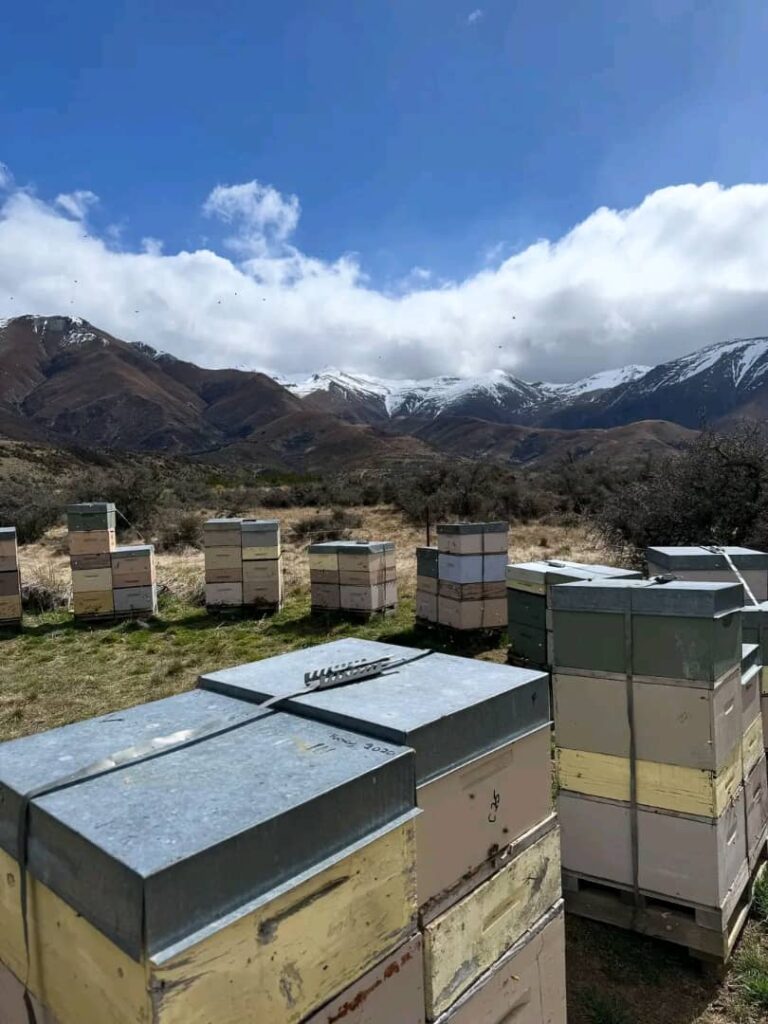
- The Inner and Outer Covers: A dual-layer capping system. The inner cover prevents the bees from gluing down the main lid, while the telescoping outer cover, protected by a heavy-duty sheet of galvanized steel or aluminum, shields the entire structure from wind, rain, and snow.
2. Demystifying the Chemistry: Does Honey Go Bad?
A frequent point of discussion among culinary professionals, archaeologists, and retail consumers alike centers around storage stability: does honey go bad over time? The short answer is no; pure, well-ripened honey stored under proper conditions can remain edible for thousands of years. In fact, jars of edible honey have been successfully recovered from ancient Egyptian tombs dating back more than 3,000 years.
The Scientific Framework of Perpetual Preservation
To fully answer the question does honey go bad, we must explore the distinct chemical properties created by the foraging workforce:
- Low Moisture Dynamics: Raw nectar brought into the bee hive contains roughly 70% to 80% water. Through collective wing fanning and metabolic processing, the colony reduces this moisture level down to an average of 17% to 18%. Because this is exceptionally low, the liquid exerts massive osmotic pressure on any invading bacteria or fungal spores, drawing water right out of their cell walls and neutralizing them before they can reproduce.
- High Organic Acidity: Honey maintains a highly acidic pH profile, typically ranging between $3.4$ and $6.1$. This acidic environment is largely driven by gluconic acid, a byproduct created when specialized salivary enzymes break down raw nectar sugars, forming a natural barrier against microbial growth.
- Hydrogen Peroxide Secretion: When house insects process raw forage, an enzyme called glucose oxidase converts glucose into gluconic acid and hydrogen peroxide ($H_2O_2$). This chemical compound acts as a built-in sterilizing agent, keeping the storage cells clean and free from spoilage.
Understanding Natural Crystallization vs. Spoilage
While we can confidently state that honey does not spoil, it does undergo a natural physical transformation called crystallization. Over time, glucose molecules naturally separate from fructose, forming solid, opaque crystals.
Many consumers mistakenly assume this change means their product has gone bad, but crystallization is simply a hallmark of real, raw, unpasteurized honey. To restore your honey to a smooth, liquid state, place the container into a warm water bath at roughly 104°F (40°C) until the crystals naturally dissolve.
[ Raw Liquid Honey ] ---(Time / Cool Temps)---> [ Crystallized Honey ] ---(Warm Water Bath)---> [ Restored Liquid Honey ]
Important Storage Warning: Honey can only spoil if it is exposed to ambient atmospheric moisture. Because honey is highly hygroscopic (meaning it actively absorbs moisture from the air), storing it in an unsealed container allows the water content to rise above 19%. If this happens, wild yeasts can wake up and kickstart fermentation, turning your sweet harvest sour. Always store yourGolden Hive Farmhoney in tightly sealed glass or food-grade containers to preserve its indefinitely stable properties.
3. Comparative Analysis: Identifying the Distinct Types of Bees
A successful apicultural venture requires selecting the right livestock for your regional climate and production goals. The western honeybee, Apis mellifera, is divided into several distinct sub-species and specially bred lines. Understanding these different types of bees allows you to match their traits to your local weather patterns, pest challenges, and management style.
                                    +-----------------------------------+
                                    |       Western Honeybee Strains    |
                                    +-----------------------------------+
                                                      |
         +----------------------------+---------------+----------------------------+
         |                            |                                            |
v--------+-------v           v--------+-------v                                    |
|    Italian     |           |   Carniolan    |                            v-------+-------v
| (Gentle/Rapid) |           | (Cold/Thrifty) |                            |   Caucasian   |
+----------------+           +----------------+                            | (Propolis/Mild|
                                                                           +---------------+
1. The Italian Honeybee (Apis mellifera ligustica)
The Italian strain is the most widely managed variety across North America, favored heavily by leading commercial operators and prominent honey bee supply companies united state.
- Key Pros: These insects are notably gentle, easy to manage during routine inspections, and maintain exceptional egg-laying rates that lead to rapid spring population build-up and excellent honey yields.
- Key Cons: They have a weak biological trigger for winter cluster reduction. They tend to maintain large populations through late autumn, meaning they consume substantial winter honey stores and require supplemental feeding if resources run short.
2. The Carniolan Honeybee (Apis mellifera carnica)
Originating in Eastern Europe, Carniolan bees are highly valued by apiarists operating in northern regions characterized by long, harsh winters and late spring thaws.
- Key Pros: They are exceptionally thrifty with winter food reserves. The colony adjusts its population based on resource availability, shrinking down to a compact cluster during cold snaps and expanding rapidly when the first pollen flows begin. They also forage effectively on cool, overcast days when other strains remain clustered inside the bee hive.
- Key Cons: Their quick response to spring pollen flows gives them a stronger natural tendency to swarm if the apiarist does not provide extra boxes in time.
3. The Russian Honeybee (Apis mellifera lineage)
Imported by the United States Department of Agriculture (USDA) from Eastern Russia, this strain evolved alongside pressure from the destructive parasite Varroa destructor.
- Key Pros: They possess exceptional genetic resistance to both Varroa and tracheal mites. They display highly active grooming and hygienic behaviors, clearing infested cells out of the bee hive before a parasite outbreak can collapse the colony.
- Key Cons: They can display a more defensive temperament if handled roughly, and they frequently maintain active queen cells throughout the summer season, requiring experienced management.
4. Specialized Hygienic Crossbreeds (VSH and Buckfast)
Modern breeding programs utilize precise selection to combine the best traits from various strains. Varroa Sensitive Hygiene (VSH) lines focus on identifying and removing mite-infested pupae, while Buckfast lines balance gentleness with exceptional honey production, offering flexible options for diverse apiaries.
4. Navigating Supply Chains: Top Honey Bee Supply Companies United State
To build and maintain a productive apiary, you need reliable equipment that can withstand weathering, heavy honey loads, and regular use. Working with top-tier honey bee supply companies united state ensures your operation has access to professional-grade tools, high-quality woodenware, and effective pest management solutions.
Evaluating Major Industry Suppliers
- Golden Hive FarmAs an innovative leader in sustainable apiculture, Golden Hive Farm bridges the gap between classic craftsmanship and modern design. We construct our hive bodies out of kiln-dried white pine and premium western red cedar, milled to precise tolerances to minimize warping. Our protective gear lines include advanced, multi-layer ventilated suits that provide complete sting protection while maintaining maximum breathability during hot summer checks.
- Mann Lake Ltd.Operating as one of the largest manufacturers in the industry, Mann Lake provides an extensive catalog that caters to both hobbyists and commercial operators across the country. Their commercial-grade plastic foundations and premium liquid syrup blends make them a common choice for expanding operations.
- Dadant & SonsWith over a century of history in American apiculture, Dadant is a classic pillar of the industry. They are widely recognized for their high-purity filtered beeswax foundations, heavy-duty stainless steel smokers, and an extensive library of educational publications that have helped guide generations of beekeepers.
- Blue Sky Bee SupplyBased in Ohio, Blue Sky specializes in premium commercial packaging, customizable honey jars, and highly efficient extraction equipment. They are an ideal partner for producers focused on downstream retail fulfillment and high-volume operations.
5. Sourcing High-Quality Livestock: Free Shipping Queen Honey Bees for Sale United States
The genetic lineage of your queen dictates every aspect of your colony, including its temperament, honey production, disease resistance, and winter survival rate. When replacing an aging queen or establishing a new split, it is vital to source from a reputable breeding program that ensures safe, reliable delivery.
[ Elite Breeding Yard ] ---> [ Secure Caging + Candy ] ---> [ Expedited Transport ] ---> [ Safe Hive Arrival ]
The Logistics of Shipping Live Queens
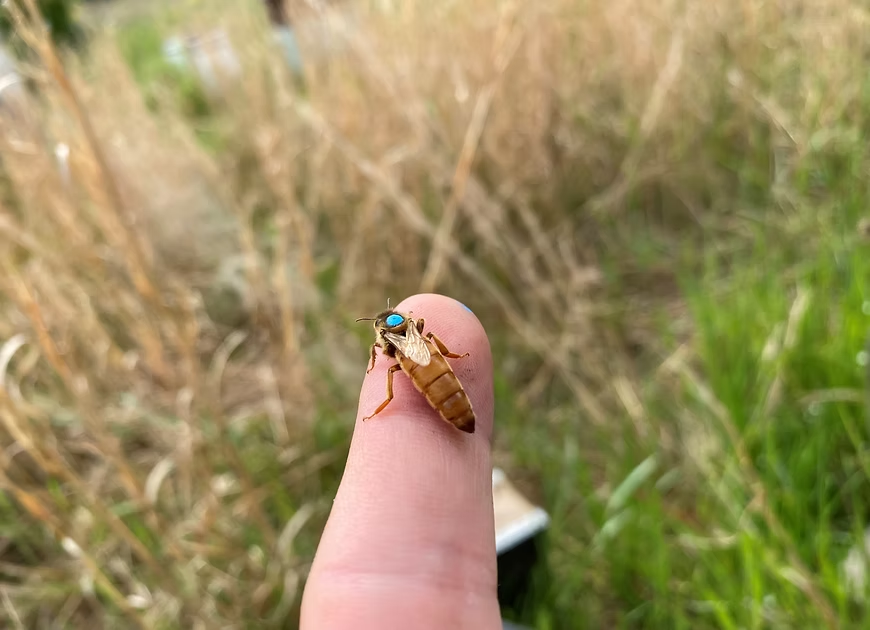
Shipping live insects requires precise environmental controls and fast transport. Top breeders package queens securely with small worker attendants and a specialized sugar-candy tube to keep them nourished during transport.
Because temperature spikes and delivery delays can impact a queen’s long-term fertility, many apiarists utilize specialized logistics programs that offer free shipping queen honey bees for sale united states. These services prioritize expedited, climate-controlled shipping to ensure your new queen arrives healthy, active, and ready for a successful introduction.
Step-by-Step Guide for Introducing a New Queen
Introducing a new queen requires a careful, methodical approach. If you place her directly into an established colony, the worker insects may view her as an intruder and attack her. Following a structured introduction protocol minimizes this risk and sets the hive up for a smooth transition:
- De-queen the Recipient Colony: Confirm that the target colony is completely queenless. Remove the old, failing queen or double-check for wild queen cells at least 24 hours before introducing the new one.
- Inspect the Shipping Cage: Verify that the new queen is lively and active inside her cage. Remove the protective cork or tape from the candy end, but leave the candy plug intact so the workers can chew through it gradually over several days.
- Position the Cage: Suspend the shipping cage securely between two middle frames in the center of the brood nest. Ensure the wire mesh face is exposed so the resident worker insects can interact with her, share food, and acclimate to her unique pheromones.
- Leave the Hive to Acclimate: Close up the structure and leave the colony undisturbed for 5 to 7 days. Opening the hive too early can stress the workers and cause them to reject the new queen. After a week, confirm she has been successfully released and check for fresh, centered eggs in the comb.
6. Comprehensive Resource Matrix and Authority Networks
To further expand your knowledge of apiculture and follow data-driven developments in hive health, consult these established scientific institutions and industry organizations:
Academic Research Labs & Conservation Organizations
- USDA Agricultural Research Service – Honey Bee Lab: Led by federal research teams focused on developing mite-resistant lines and enhancing long-term colony health.
- The Bee Informed Partnership: A nationwide scientific collaboration tracking winter loss data and providing evidence-based management recommendations for apiarists.
- The Xerces Society for Invertebrate Conservation: A prominent non-profit organization dedicated to habitat protection, pollinator health, and reducing pesticide impacts.
- University of Florida Honey Bee Research Lab: Provides extensive master beekeeper certification courses and conducts research on honeybee pathology and pest control.
Global Industry Bodies
- Apimondia International Federation: The central international organization connecting apicultural researchers, equipment manufacturers, and conservationists worldwide.
7. Equipping Your Apiary for Sustainable Growth
Successful beekeeping is a rewarding combination of patience, practical skills, and a commitment to environmental stewardship. By understanding the biology of your colony, selecting equipment designed for durability, and choosing livestock tailored to your climate, you can build a resilient, high-yielding apiary.
At Golden Hive Farm, we are dedicated to supporting your beekeeping journey at every step. From precision-milled hive bodies to expert educational resources, we provide the tools you need to help your colonies thrive. Explore our full catalog of premium setups, protective gear, and elite livestock lines today, and ensure your apiary is equipped for long-term success!
Reference Architecture
- Langstroth, L. L. (1853). A Practical Treatise on the Hive and Honey-Bee. Hopkins, Bridgman & Company.
- Seeley, T. D. (2019). The Lives of Bees: The Untold Story of the Honey Bee in the Wild. Princeton University Press.
- Winston, M. L. (1987). The Biology of the Honey Bee. Harvard University Press.
Newsletter Updates
Enter your email address below and subscribe to our newsletter