$65.00Original price was: $65.00.$45.00Current price is: $45.00.
Introduction: Why the Queen Bee Matters
If there’s one lesson I’ve learned across years of beekeeping, it’s this: your colony is only as strong as your queen.
The queen bee is the heart of every hive. She is the only reproductive female, responsible for laying every egg that becomes a worker, drone, or future queen. Her genetics determine the temperament, productivity, disease resistance, and winter survival of an entire colony of 50,000 to 80,000 bees. Choose the wrong queen, and you’ll fight an uphill battle all season. Choose the right one, and your apiary will thrive with minimal intervention.
When I first started, I didn’t fully appreciate how much the queen’s genetics influenced everything—from how much honey I harvested to how enjoyable my inspections were. I learned the hard way that not all queens are created equal. Over the years, I’ve worked with Italian, Carniolan, Russian, and Caucasian queens, and each has its own strengths, weaknesses, and ideal use cases.
In this guide, I’ll draw on real-world experience, university extension research, and insights from certified breeders to help you choose the perfect queen for your apiary. Whether you’re searching for Italian queen bees for sale, comparing Carniolan vs Italian queens, or curious about Russian queen bee characteristics, this is your complete resource.
Part 1: Italian Queen Bees – The Golden Standard
Origin and History
The Italian queen bee (Apis mellifera ligustica) originates from the Italian peninsula and parts of the Mediterranean. First introduced to the United States in 1859, Italian bees quickly replaced the German black bee that early colonists had brought over. Today, they remain the most popular race in the United States.
Physical Characteristics
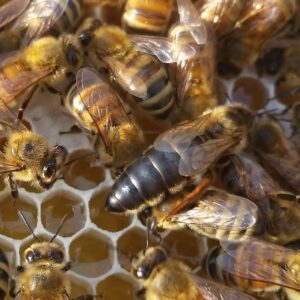
Italian queens are typically light yellowish to amber in color, often with distinct bands on the abdomen. Those with three abdominal bands are sometimes called “leather-colored Italians,” while those with five bands are known as “goldens” or “cordovan” queens.
This lighter coloration is one of their greatest practical advantages: Italian queens are much easier to find in the hive compared to darker queens. If you’ve ever spent ten minutes searching for a dark Russian or Carniolan queen among thousands of bees, you’ll appreciate this immensely.
Temperament: Gentle and Beginner-Friendly
Italian queens are renowned for their docile temperament, making them ideal for both novice and experienced beekeepers. Most strains are considered quiet and gentle on the combs. They are calm and easy to handle, which makes hive inspections far less stressful.
However, they do have a couple of temperament-related drawbacks:
Weaker orientation compared to other races, resulting in more bees drifting from one colony to another
Strong inclination to robbing, which can aid in the spread of disease
Brood Rearing and Honey Production
Italian queens are prolific egg-layers, capable of laying up to 1,500–2,000 eggs per day during peak seasons. They tend to start brood rearing early in the spring and continue until late fall, resulting in a large population throughout the active season.
This extended brood rearing means:
Large colonies can collect considerable amounts of nectar in a short period
Excellent honey production – Italian queens ensure large, productive colonies
Brilliant white cappings on honey, ideal for producing comb honey
The downside? They require more honey for maintenance during fall and winter than darker races. In colder climates, this means you’ll need to ensure adequate winter stores or supplemental feeding.
Hygienic Behavior and Disease Resistance
Italian bees are considered good housekeepers. Their hygienic behavior encourages workers to efficiently remove diseased or dead brood from the hive, significantly reducing the risk of disease spread. They are comparatively resistant to European foulbrood (EFB)—the major reason they replaced black bees in America.
Swarming Tendency
Italian honey bees have a lower swarming tendency compared to other bee races, though overcrowding can increase the risk. Regular inspections and proper hive management help keep swarming under control.
Best For:
Beginners seeking gentle, forgiving bees
Beekeepers focused on maximum honey production
Warmer climates with extended nectar flows
Those who want easily visible queens
Part 2: Carniolan Queen Bees – The Winter-Hardy Alternative
Origin and Characteristics
Carniolan bees (Apis mellifera carnica) originate from the Balkan region, particularly Slovenia, parts of Austria, and the Danube River valley. They are dark bees, similar to Caucasians in appearance, often with brown spots or bands on the abdomen.
Temperament: Extremely Gentle
Carniolan bees are known for their docility and calmness. They are less prone to aggression than many other races, making them easier to manage, especially for beginner beekeepers. They are quiet on the combs and have a good sense of orientation.
Brood Rearing: Adaptive and Efficient
This is where Carniolans truly shine. They overwinter as small clusters but increase rapidly in the spring after the first pollen becomes available. They are highly adaptive to environmental changes, rapidly adjusting brood rearing based on resource availability.
Key advantages:
Very economical in food consumption, even under unfavorable climatic conditions
Overwinter well due to their small cluster size
Reduce population during scarcity and quickly expand when resources are abundant
Swarming: The Major Drawback
The major disadvantage of Carniolans is excessive swarming. Because they build up so rapidly in spring, they can quickly outgrow their hive space and swarm if not managed properly. This requires vigilant management during the spring buildup.
Foraging Behavior
Carniolan bees are excellent foragers in cooler and overcast weather, making them well-suited for more temperate climates. They forage at somewhat lower temperatures than Italians.
Disease Resistance
Carniolan bees are noted for their resistance to certain pests and diseases, such as varroa mites.
Best For:
Colder climates with long winters
Beekeepers who want economical, winter-hardy bees
Those willing to manage swarming tendencies
Areas with unpredictable weather patterns
Part 3: Russian Queen Bees – The Mite-Resistant Powerhouse
Origin and Introduction
Russian queen bees originate from the Primorsky region of Russia, a frigid area where they evolved to withstand long, cold winters. They were introduced to the United States in the 1990s by the USDA Bee Research Laboratory with a specific goal: to find bee stock with natural resistance to Varroa destructor.
Today, Russian bees are recognized as a separate breed and are selectively bred by certified Russian Bee Breeders Association (RBBA) members to maintain genetic integrity.
Varroa Mite Resistance: The Game-Changer
This is the most significant advantage of Russian queens. Russian bees have developed:
Natural ability to detect and remove infested broods, limiting mite reproduction
Grooming behaviors where workers clean each other and disrupt mite development
This means less reliance on chemical treatments and healthier, more productive hives
Winter Hardiness
Bred in one of the coldest regions on Earth, Russian queen bees are particularly suited for northern regions. They overwinter well and start brooding later in the spring, conserving resources.
Resource Management
Russian queens excel at efficient resource management. They guide their workers to be more conservative in brood rearing and honey consumption during periods of scarce nectar flow or harsh weather. This means:
Potentially reduced need for supplemental feeding
Stronger colonies emerging from challenging periods
Temperament: More Defensive
Russian bees can be slightly more defensive than Italians or Carniolans, though they are not overly aggressive. Their defensiveness helps protect the hive from intruders. With proper handling, they can be managed by beekeepers of all experience levels.
Important Considerations
Swarm more frequently than Italians or Carniolans
Can be unpredictable in brood and swarm behavior, requiring a more hands-on approach
Genetic purity matters – hybrids may not carry the same desirable traits
Requeening can be difficult – Russian queens may take as long as 16 days to begin laying and can be harder to introduce
Best For:
Beekeepers dealing with severe varroa mite pressure
Caucasian bees (Apis mellifera caucasica) originate from the Caucasus region between Europe and Asia. They are dark colored to black with grayish bands on the abdomen.
Temperament: The Gentlest of All
Caucasian bees are sometimes described as the gentlest of all honey bees. For beekeepers who prioritize docility above all else, they are an excellent choice.
The Propolis Problem
The major drawback of Caucasians is their excessive use of propolis. They:
Tend to construct burr comb
Use large amounts of propolis to fasten combs and reduce the entrance
Not considered suitable for producing comb honey because of this
Some newer strains use less propolis, but it remains a characteristic of the race.
Brood Rearing
Colonies normally do not reach full strength before midsummer. They conserve their honey stores somewhat better than Italians do.
Foraging
Caucasians forage at somewhat lower temperatures and under less favorable climatic conditions than Italian bees. They are reported to show some resistance to European foulbrood.
Availability
Caucasians are available but not common. If you’re interested in this race, you may need to search specifically for Caucasian queen bee suppliers.
Best For:
Beekeepers who prioritize extreme gentleness
Those who don’t mind propolis management
Beekeepers in cooler climates
Part 5: Queen Bee Comparison Chart
Trait
Italian
Carniolan
Russian
Caucasian
Origin
Italy
Balkan region
Primorsky, Russia
Caucasus region
Color
Light yellow/amber
Dark with brown spots
Dark, often striped
Dark to black
Temperament
Gentle
Very gentle
Moderately defensive
Gentlest
Brood Rearing
Continuous, prolific
Adaptive, rapid spring
Conservative, resource-based
Slow to build
Honey Production
Excellent
Moderate
Good
Moderate
Winter Hardiness
Moderate
Excellent
Excellent
Good
Swarming Tendency
Low
High
Moderate-High
Low-Moderate
Varroa Resistance
Low
Moderate
High
Moderate
Propolis Use
Low
Low
Moderate
High
Ease of Finding Queen
Easy
Moderate
Difficult
Moderate
Best Climate
Warm
Cool/Temperate
Cold
Cool/Temperate
Part 6: Buying Queen Bees – What You Need to Know
Types of Queens Available
When searching for queen bees for sale, you’ll encounter several options:
1. Mated Queen Bees These are queens that have successfully mated with drones and are actively laying eggs. Mated queen bees are the most common and reliable option for beekeepers. Most are open mated in selected yards to control the quality and traits of the drones.
2. Virgin Queens These queens have not yet mated. They require mating flights after introduction, which carries some risk of failure.
3. Queen Cells These are queen cells that will emerge as virgin queens. They’re the most economical option but require more skill to manage.
Marked vs. Unmarked Queens
Many suppliers offer marked queens for a small additional fee (typically around $2 per queen). A marked queen has a small dot of paint on her thorax, making her much easier to find during inspections. I strongly recommend marked queens, especially for beginners.
Shipping Considerations
Queen bees are typically shipped via UPS Next Day Air to ensure their survival. Some suppliers offer free shipping on live bee orders over a certain amount.
Important shipping notes:
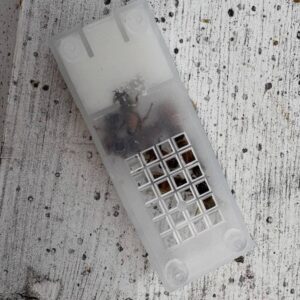
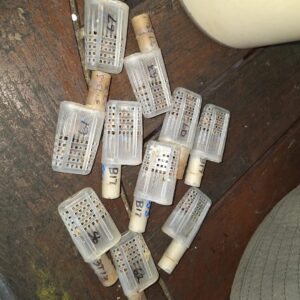
Queens are shipped in 3-hole queen cages with attendants
Orders are typically shipped based on regional climate and bee health
Order early – demand is high and availability is limited by season
What to Look for in a Supplier
When purchasing Italian queen bees for sale or any other breed, look for:
Reputation and reviews – Look for established suppliers with positive feedback
Health certifications – Ensure bees are inspected for diseases
Genetic purity – For Russians, look for RBBA-certified breeders
Local adaptation – Queens raised in climates similar to yours will perform better
Guarantees – Reputable suppliers stand behind their stock
Where to Buy
At Golden Hive Farm, we offer certified, healthy queen bees across multiple breeds. Our queens are:
Naturally mated and actively laying
Marked for easy identification
Raised with care in disease-free apiaries
Adapted to perform in your local climate
Whether you’re looking for Italian queen bees for sale, mated Italian queen bees for sale, or exploring other breeds, we’re here to help you succeed.
Part 7: Frequently Asked Questions About Queen Bees
How do Italian Queen Bees influence brood production?
Italian queens are prolific egg-layers, laying up to 1,500–2,000 eggs per day during peak seasons. This supports rapid spring buildup and provides a strong workforce for honey production and pollination.
Are Italian Queen Bees prone to swarming?
Italian honey bees have a lower swarming tendency compared to other bee races, though overcrowding can increase the risk. Regular inspections and hive management help reduce swarming.
How should I introduce a new queen to my hive?
Place the queen in a cage inside the hive so worker bees can adjust to her scent. This gradual introduction reduces the risk of the workers rejecting and killing her.
What is the difference between Carniolan and Italian queens?
Carniolan queens are darker, more winter-hardy, and more prone to swarming, while Italian queens are lighter in color, more productive in honey, and have lower swarming tendencies. Carniolans adapt brood rearing to environmental conditions, while Italians maintain steady brood production throughout the season.
Are Russian Queen Bees more aggressive than other queens?
Russian bees can be slightly more defensive than Italian bees, but they are not overly aggressive. Their defensiveness helps protect the hive from intruders.
Are Russian Queen Bees a good choice for warmer climates?
While Russian queens are best known for cold-weather hardiness, they can perform well in temperate and even warmer climates. However, they are most advantageous in areas where winters are long and resources may be scarce.
How do Russian bees manage resources differently?
Russian bees are highly resource-efficient. During periods of nectar scarcity or harsh weather, they reduce brood production and honey consumption. This minimizes the need for supplemental feeding and enhances hive survival in difficult conditions.
What is a “mated queen bee”?
A mated queen bee is a queen that has successfully mated with drones and is actively laying fertilized eggs. These are the queens you want for a productive colony.
Where can I find Italian queen bees for sale near me?
Many suppliers offer queens for pickup at local apiaries or shipping directly to you. At Golden Hive Farm, we offer shipping and local pickup options.
Do queen bees qualify for free shipping?
Some suppliers offer free shipping on live bee orders over a certain amount. However, many queen-only orders require UPS Next Day Air shipping and may not qualify for free shipping. Always check the supplier’s shipping policy.
Part 8: Making Your Final Decision
Choosing the right queen bee isn’t about finding the “best” breed—it’s about finding the best breed for your specific situation.
Choose Italian queens if you:
Are a beginner or want gentle, forgiving bees
Live in a warmer climate with reliable nectar flows
Want maximum honey production
Value easy queen finding and low swarming
Choose Carniolan queens if you:
Live in a colder climate with long winters
Want economical, winter-hardy bees
Are willing to manage spring swarming
Need bees that forage in cooler weather
Choose Russian queens if you:
Are dealing with severe varroa mite pressure
Want to reduce or eliminate chemical treatments
Live in a cold climate
Have some experience managing swarming and defensive behavior
Choose Caucasian queens if you:
Prioritize extreme gentleness above all else
Don’t mind managing propolis
Can find a reputable supplier
Conclusion: The Queen Makes the Colony
After years of working with all these breeds, I’ve come to appreciate that there’s no single “right” answer. Each beekeeper’s situation is different, and each breed has its place.
What I can say with certainty is this: investing in a quality queen is the single best investment you can make in your apiary. A good queen means gentle bees, abundant honey, and healthy colonies that survive winter. A poor queen means constant problems.
Start by understanding your climate, your goals, and your experience level. Then choose the queen that best fits. And when you’re ready, choose a supplier you can trust.
At Golden Hive Farm, we’re committed to providing healthy, certified queens that will help your apiary thrive. Whether you’re looking for Italian queen bees for sale, mated queen bees, or exploring other breeds, we’re here to help.
Your colony’s future starts with the queen. Choose wisely.


Reviews
There are no reviews yet.