Untested II’d VSH Breeder Queens – Mite-Resistant Genetics Without the Wait
Keywords: untested breeder queens, II’d VSH queens, instrumentally inseminated queen bees, Harbo VSH assay, mite-resistant bees, no miticide no antibiotics, queen introduction methods, push in cage introduction, hopelessly queenless colony
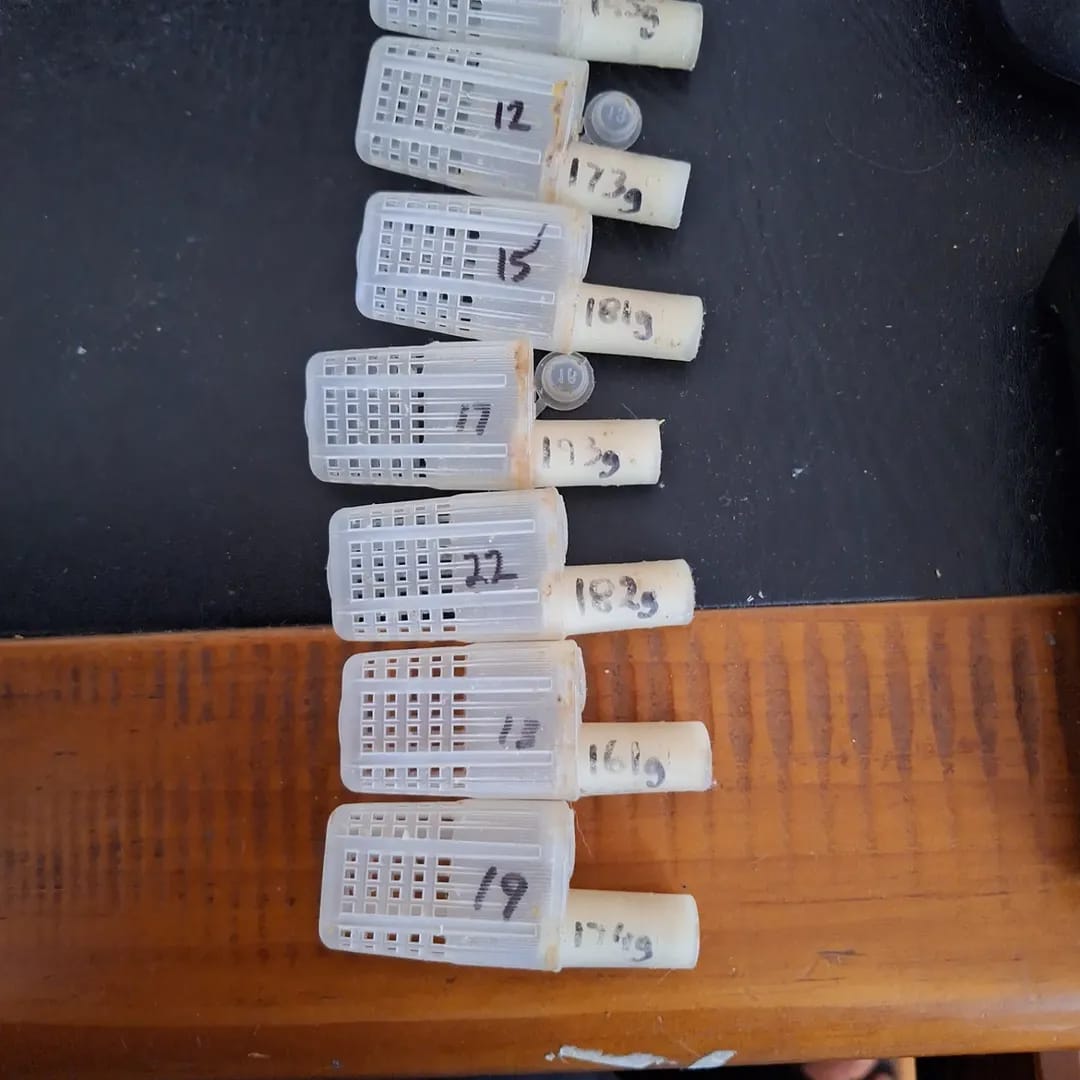
At Golden Hive Farm, we now offer untested (not yet laying) instrumentally inseminated VSH breeder queens – a cost‑effective alternative to our full breeder nucs (pick‑up only).
These are VSH daughter queens instrumentally inseminated with a blend of drone semen from our top colonies – all of which scored very high on Harbo’s VSH assay. Every donor colony has thrived for at least one full season, survived winter, and received no miticide or antibiotic assistance.
Why “untested”? Like John Harbo’s original untested breeder queens, we ship them the day after II and CO₂ treatments – before they begin laying. This keeps pricing accessible while still delivering elite genetics.
Shipping: Next Day Air, late April through mid‑June, plus limited availability in August (ideal for overwintering breeder queens in warmer climates for early spring queen rearing).
Our Recommended Queen Introduction Methods for II’d VSH Breeders
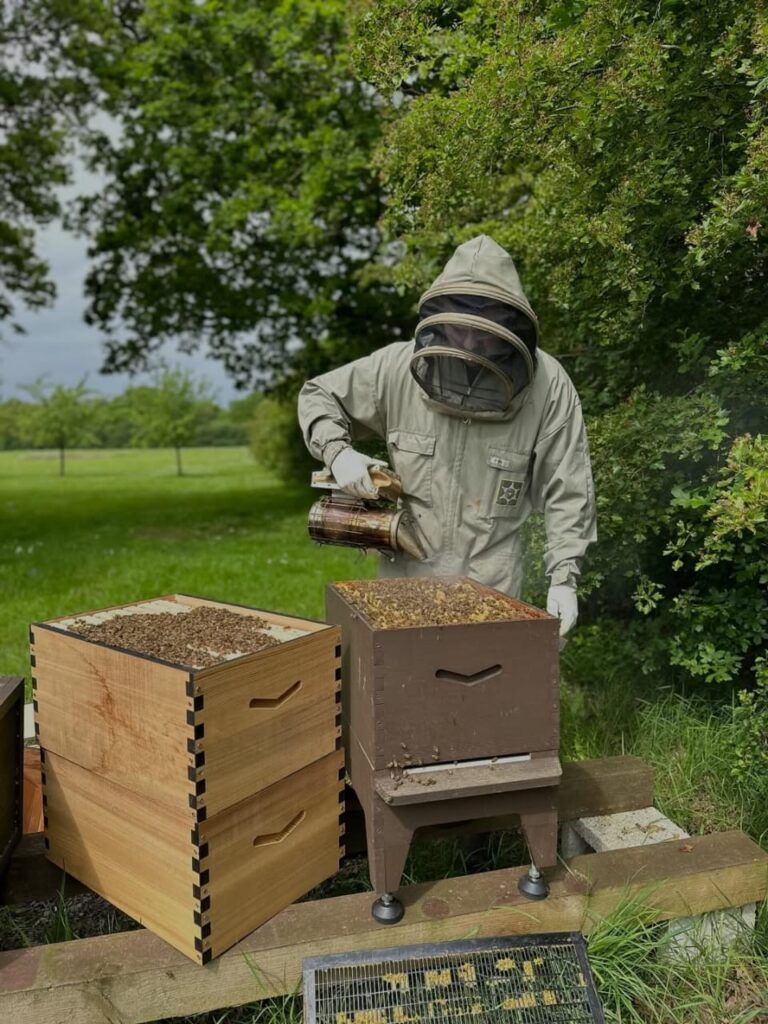
After unexpectedly receiving untested Harbo breeders myself, I developed these three reliable introduction protocols – no push‑in cage required (though that option is included below).
Option 1: Hopelessly Queenless & Broodless Colony (My Go‑To Method)
- Select a healthy, medium‑sized colony. Remove ALL brood frames and the existing queen.
- You’re left with a large bee population, plenty of stores, and a hopelessly queenless AND broodless state.
- Queenless shook bees or package bees also work very well.
- Cap or tape over the candy tube on the queen cage to prevent premature release.
- Let the queen sit inside the cage in the colony for 4 days.
- On day 4, manually release the queen and observe worker behavior:
- ✅ Friendly (grooming, antennating) → close up the hive.
- ❌ Aggressive (biting legs, pulling wings, attempting to sting) → return her to the cage.
- Double‑check for any missed brood patch with emergency queen cells – remove them if found.
- Let her sit in the cage for 2 more days, then retry.
- After successful release, do not inspect for a minimum of 10 days to 2 weeks – allow her to start laying and establish her brood nest.
- Feed thin syrup (2 parts water : 1 part sugar) throughout.
Option 2: Push‑In Cage Method (Classic & Reliable)
- Prepare a queenless nuc.
- Place the queen under a hardware cloth square cage with a few attendants.
- Push the cage deep into the comb over emerging worker brood (prevents bees from tunneling under).
- Check periodically for:
- Bees digging under the cage
- Emergency queen cells (remove them immediately – do NOT release her if cells are present)
- Once workers stop making queen cells and behave friendly toward her, manually release her.
Troubleshooting: I recently encountered a case where queen cells were removed, but workers started laying while the queen was still caged.
Solution: Add a frame of capped brood (no young eggs or larvae) to boost the nurse bee population. This stopped the laying worker behavior and the queen was accepted.
Option 3: Advanced Queenless Nuc Preparation (7‑Day Lead Time)
This mirrors our successful virgin queen introduction method – ideal if you can plan ahead.
- Make up a strong nucleus colony 7‑8 days before your II’d breeder arrives.
- Move the nuc to its final location.
- Feed thin syrup immediately.
- On day 7 or 8, inspect and cut out ALL emergency queen cells – this removes every egg or young larva that could be raised into a rival queen.
- Add the shipping cage (candy tube taped/capped) to the hopelessly queenless nuc.
- Wait 4 days (do not release her early).
- Check thoroughly for any missed queen cells.
- Manually release the queen onto the frames.
- If bees groom her → close up and leave alone for 10–14 days.
- If bees attack → return her to the cage and wait another 2–3 days before retrying.
When to Order & Overwintering Tips
- Primary shipping window: Late April through mid‑June (UPS Next Day Air).
- Limited August availability – perfect for beekeepers in warmer climates who want to overwinter breeder queens for very early spring queen rearing.
External resource: Learn more about the original Harbo VSH assay from USDA ARS Honey Bee Breeding Lab.
Why Choose Golden Hive Farm Untested II’d VSH Breeder Queens?
| Feature | Benefit |
|---|---|
| No miticides or antibiotics in donor colonies | Clean, naturally resilient genetics |
| High Harbo VSH assay scores | Proven mite‑biting behavior |
| Shipped next day after II + 2 CO₂ treatments | Minimal stress, maximum viability |
| Cost‑effective alternative to breeder nucs | Lower price point, same elite genetics |
| Three field‑tested introduction methods | 80%+ acceptance when protocols followed |
Ready to add mite‑resistant genetics to your operation?
Order Untested II’d VSH Breeder Queens → https://goldenhivefarm.com/
Golden Hive Farm – Breeding bees that survive without miticides
Newsletter Updates
Enter your email address below and subscribe to our newsletter