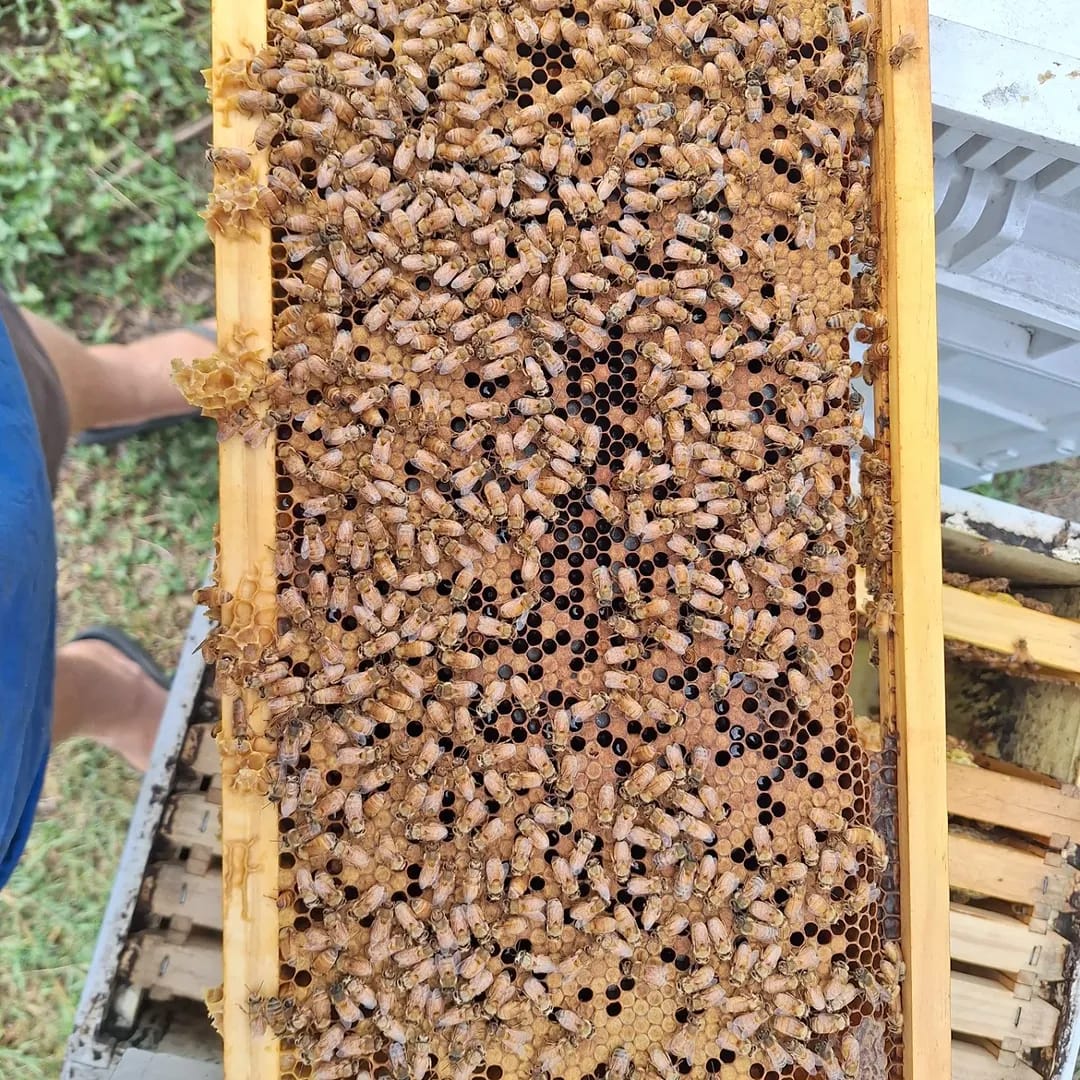
Saskatraz Queen Bees for Sale: The Varroa-Resistant Powerhouse for Modern Apiaries
Mated & marked queens | Natural mite tolerance | Live arrival guaranteed
If you’re searching for Saskatraz queen bees for sale, you’re looking at one of the most scientifically advanced honey bee breeds available today. Developed in the harsh prairie winters of Saskatchewan, Canada, the Saskatraz bee was purpose-bred to solve the single biggest problem facing modern beekeepers: Varroa mites.
In this guide, we’ll explore why Saskatraz queens are becoming a top choice for commercial and backyard beekeepers, how their unique breeding program delivers natural mite resistance, and where to buy Saskatraz queen bees online.
The Origin of Saskatraz Bees: Science Meets Survival
The Saskatraz bee project was initiated in 2004 by honeybee breeder and molecular biologist Albert Robertson of Meadow Ridge Enterprises near Saskatoon, Saskatchewan. The goal was ambitious: create a genetically diverse honey bee strain capable of surviving Varroa destructor infestations without heavy reliance on chemical miticides.
Unlike traditional breeding programs that select for a single trait in isolation, the Saskatraz approach uses recurrent natural selection. Bee colonies were deliberately exposed to Varroa pressure without chemical treatments. Only the strongest survivors—those that naturally kept mite loads under control—were selected for breeding. Over multiple generations, this process produced bees with inherent Varroa tolerance while preserving and even enhancing productive traits like honey yield and winter hardiness.
The Genetic Blueprint: A True Superhybrid
The Saskatraz genome is not a single pure race but a carefully constructed hybrid incorporating multiple genetic lines. According to Robertson himself, Saskatraz is a mixed breed with Carniolan, Italian, Caucasian, Buckfast, and VSH genetics integrated into it, with the best traits selected for. The original selection process also included Russian lines and German Carnica, previously selected for Varroa tolerance, combined with Canadian stock selected for honey production, wintering ability, and chalk brood resistance.
This multi-source genetic foundation creates hybrid vigor (heterosis)—where hybrid offspring exhibit superior traits compared to either parent line. The result is a bee that combines the best qualities of multiple world-class strains into a single, resilient package.
🔗 University of Saskatchewan – Research Collaboration with Saskatraz Breeding Program
Key Characteristics & Benefits of Saskatraz Queen Bees
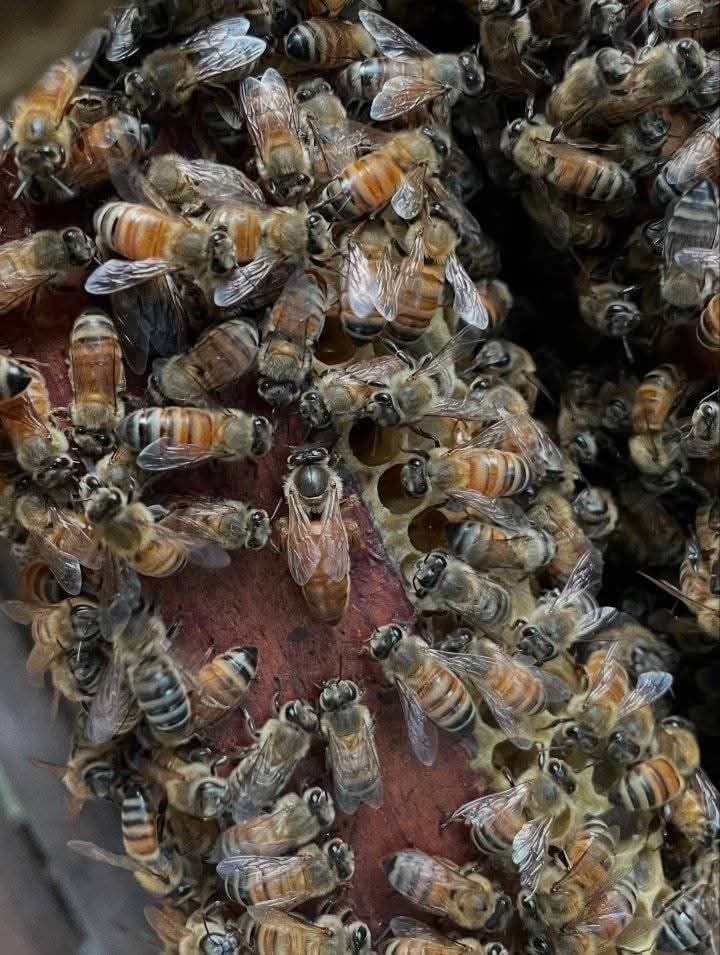
Saskatraz breeder queens are selected for the traits beekeepers value most: exceptional honey production, strong wintering ability, calm temperament, tracheal mite resistance, Varroa tolerance/resistance, resistance to brood diseases, and enhanced hygienic behavior.
1. 🐜 Natural Varroa Mite Resistance
The crown jewel of the Saskatraz breeding program is its built-in Varroa tolerance. Rather than relying on chemical treatments, Saskatraz bees control mite populations through multiple behavioral mechanisms:
- Varroa Sensitive Hygiene (VSH): Worker bees detect and remove mite-infested brood cells, breaking the mite’s reproductive cycle. The breeding program incorporates high VSH lines crossed with naturally selected colonies to increase stability of the varroa tolerant trait.
- Natural Grooming Behavior: Bees actively groom mites off themselves and nestmates, physically damaging and killing the parasites.
- No Synthetic Miticides: Breeding for mite tolerance was approached by using natural selection without using any synthetic chemical miticides.
A University of Saskatchewan research collaboration identified five molecular markers that reliably distinguish between Varroa-resistant and susceptible honeybees, eliminating the need for multi-year trial-and-error selection. This scientific rigor sets the Saskatraz program apart from conventional queen breeding.
⚠️ Important Note: As the breeders themselves note, treatment with some synthetic miticides, although initially effective in lowering phoretic Varroa infestations, may negatively affect the Saskatraz colonies’ ability to cope with subsequent mite infestations. Some miticide treatments may also result in increased virus infections, particularly in varroa susceptible phenotypes. Long-term chemical-free management is recommended to preserve these genetic advantages.
2. ❄️ Excellent Winter Hardiness
Born from Saskatchewan’s brutal prairie winters, Saskatraz bees are exceptionally winter hardy. The breeding program selected for survivors that could endure months of sub-zero temperatures, making these queens an outstanding choice for beekeepers in northern climates. As one beekeeper observed, after a prolonged North Dakota winter with no cleansing flights, six of eight colonies from Saskatraz packages remained alive while other stocks perished.
3. 🍯 Strong Honey Production
Don’t let the mite resistance fool you—Saskatraz bees are prolific honey producers. Analyses of hybrid queens in Canada show fast spring build-up and increases in honey production. Their rapid colony expansion allows them to capitalize on early nectar flows while still maintaining mite control.
4. 😌 Calm, Manageable Temperament
Saskatraz bees exhibit a balanced temperament—not as docile as Italians but far calmer than many resistant stocks. One Saskatchewan beekeeper who switched to Saskatraz queens noted, “The bees are fuzzy and yellow and maybe don’t produce as much honey, but they’re very calm, so they’re Canadian and they’re calm, they’re good for me”.
5. 📈 Fast Spring Buildup
Unlike some mite-resistant strains that sacrifice growth for survival, Saskatraz bees build up quickly in spring. This fast spring build-up and increases in honey production make them excellent for beekeepers who rely on early season crops like fruit blossoms and maple.
6. 🏢 Moderate Propolis Production
Saskatraz bees produce sufficient amounts of propolis, the resinous substance bees use to seal cracks, disinfect the hive, and reinforce structural integrity. While not as prolific as Caucasians, this moderate propolis production contributes to hive sanitation without excessive “gumming up” of equipment.
7. 🧬 Genetic Diversity & Hybrid Vigor
Because Saskatraz hybrids are produced by open mating virgin queens from diverse families with unrelated drone populations, their colonies exhibit strong genetic diversity. This diversity results in increased vigor and resilience. Moreover, drones from these hybrids carry the genetics of their mother, so using Saskatraz stock in your apiary will increase the frequency of alleles for honey production and Varroa tolerance across your entire operation.
Saskatraz vs. Other Popular Queen Bee Strains
Saskatraz vs. Carniolan
Carniolan bees are known for explosive spring buildup and extreme gentleness, making them popular in northern climates. While not quite as docile as Carniolan bees, Saskatraz bees are known for their mild yet noticeable aggression. The key differentiator: mite resistance. Carniolans have low natural Varroa resistance, whereas Saskatraz bees have been specifically selected for this trait.
Saskatraz vs. Buckfast
Saskatraz and Buckfast represent two approaches to modern bee breeding. A Polish beekeeping publication notes that “the difference is that Saskatraz has resistance built into the line as a fundamental goal of selection, while Buckfast VSH is a response to market demand, where resistance traits were added to an already existing production line”. In other words, resistance is foundational to Saskatraz genetics, not a later addition.
Saskatraz vs. Russian
Saskatraz bees bear a striking resemblance to their Russian counterparts, with darker coloration and a somewhat more spirited temperament. Both offer strong mite resistance. However, Saskatraz bees generally demonstrate faster spring buildup and higher honey production, making them more commercially viable.
Scientific Study: DWV Resistance
A 2022 study published in Frontiers in Genetics examined five honey bee stocks—Carniolan, Italian, Pol-Line, Russian, and Saskatraz—for resistance to Deformed Wing Virus (DWV), a virus vectored by Varroa mites. While all mite-resistant stocks showed some level of viral tolerance, Saskatraz consistently performed among the top tier, confirming the value of their targeted breeding program.
🔗 Frontiers in Genetics – Honey Bee Genetic Stock Determines DWV Symptom Severity
Where to Buy Saskatraz Queen Bees for Sale
Saskatraz queens are exclusively available from Olivarez Honey Bees (OHB) or authorized distributors throughout the US. The hybrids are produced in Northern California using Saskatraz breeder queens constructed in Saskatchewan by Meadow Ridge Enterprises.
⚠️ Important Notice Regarding False “Saskatraz” Claims
Be cautious when encountering sellers advertising “Saskatraz” queens from unauthorized sources. One beekeeper warns, “The only real Saskatraz come from Olivarez Honey Bees in California, anything else may have been shipped to some other supplier and setting around a long time, or it’s an F2 or 25% Saskatraz”. Always verify that your supplier is an authorized OHB distributor to ensure you receive authentic genetics with documented breeding.
Authorized Suppliers
| Supplier | Product | Price | Key Notes |
|---|---|---|---|
| Meyer Bees (IL) | Saskatraz Queen Bee | $45.00 | Mated and marked laying queen in 3-hole cage with queen candy and attendants; pickup from Minooka shop mid-April, shipping begins May/June; multiple families available |
| Hansen Honey Farm | OHB Saskatraz Queen Bee (Pre-Order) | $45.00 | Pre-order for May 2026 shipping; bulk discounts (9+ queens get $1–4 off per queen); UPS Next Day Air |
| Mann Lake | OHB Saskatraz Queen Bee | Varies | Available for shipping or in-store pickup; excellent honey production and winter hardiness |
| HillCo Buzz | OHB Saskatraz Queen Bee | Price includes UPS Next Day Air | Shipped Monday for Tuesday delivery; no additional shipping charges |
🔗 Meyer Bees – Saskatraz Queen Bee
🔗 Hansen Honey Farm – OHB Saskatraz Queen Bee
🔗 Mann Lake – OHB Saskatraz Queen Bee
🔗 : Saskatraz Official Website
What You Receive
- Mated, laying queen (marked with current year’s color, optional clipping available)
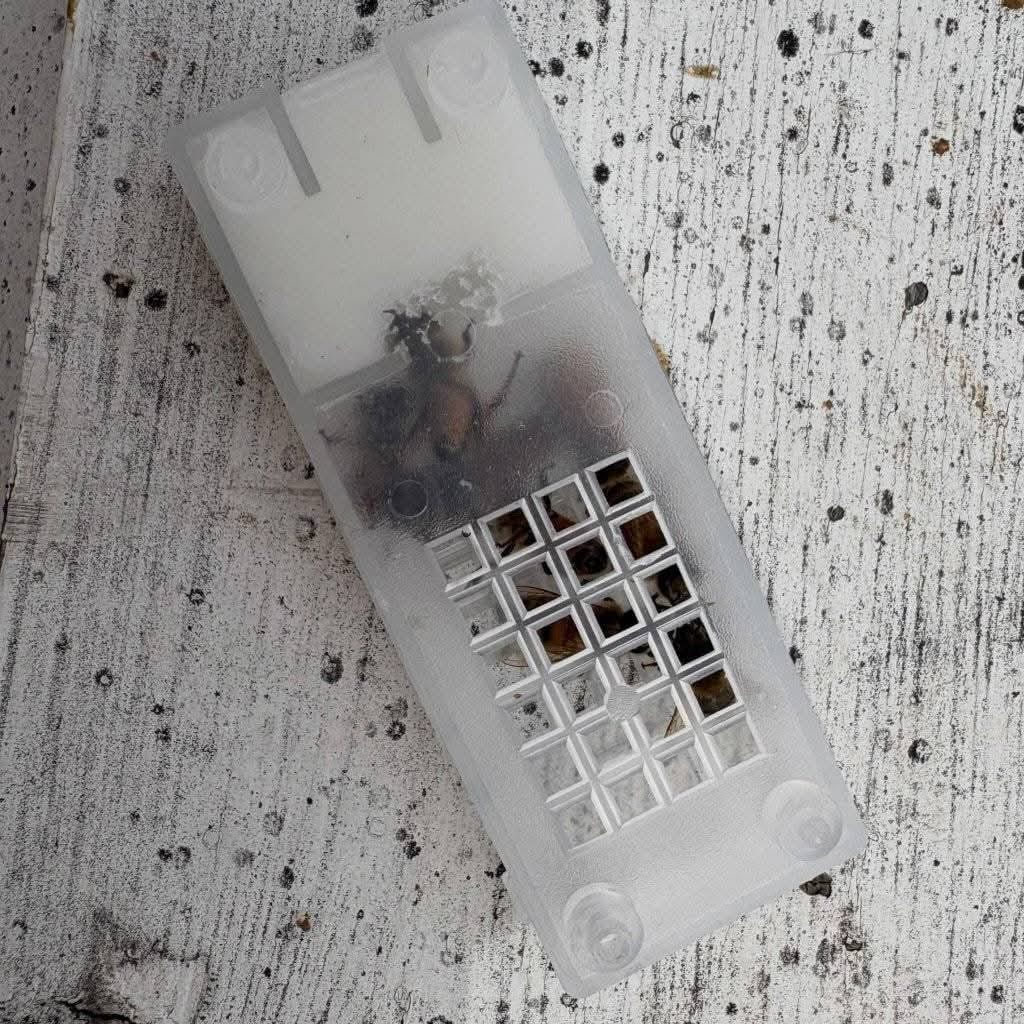
- Queen cage with candy plug for gradual release
- 3–5 attendant bees to care for her during transit
- Live arrival guarantee (subject to supplier terms)
- Certified free from Africanized Genetics
- Certified free from Small Hive Beetle
How to Introduce a Saskatraz Queen Bee
Follow these steps for successful introduction (standard practices apply to all queen strains):
1. Prepare the Hive
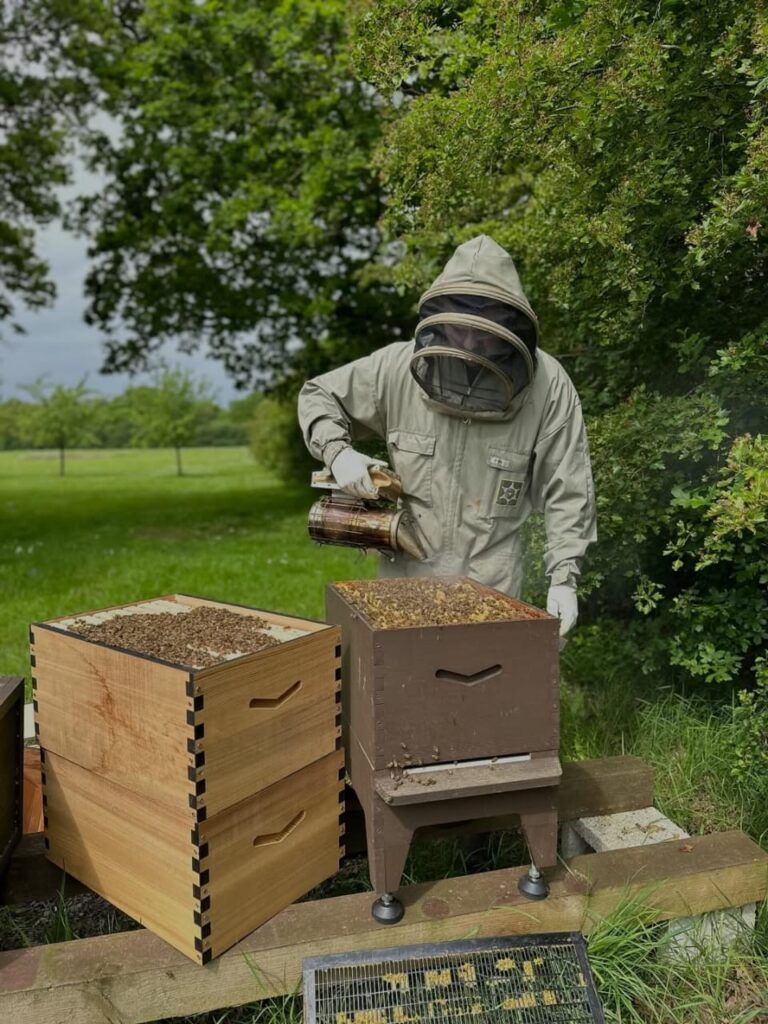
Make your hive queenless 24–48 hours before introduction. Find and remove the old queen—a hive cannot accept a new queen while an existing queen is present.
2. Position the Queen Cage
Place the queen cage between two frames containing open brood in the center of the brood nest. This location ensures the new queen’s pheromones spread effectively through the hive.
3. Ensure Proper Orientation
Position the cage so the candy plug faces upward. This allows any dead attendant bees to fall away from the plug, keeping the candy accessible for worker bees.
4. Wait for Acceptance
Leave the queen cage undisturbed for 3–5 days. Worker bees will gradually eat through the candy and release her. Rushing the process by manually releasing the queen often results in rejection.
5. Verify Success
After 5 days, inspect the hive. If you see fresh eggs and larvae in a consistent pattern, introduction was successful. If the queen remains caged but alive, open the candy end and let her walk out. If she is dead or missing, reintroduce with a new queen.
Special Considerations for Saskatraz
- Monitor mite levels regularly – While Saskatraz bees have natural tolerance, no bee strain is completely mite-proof. Conduct routine alcohol washes to verify mite counts.
- Avoid unnecessary chemical treatments – Synthetic miticides may disrupt the natural selection pressures that maintain mite tolerance.
- Allow time for spring buildup – Fast spring buildup is a documented trait, but supplemental feeding may be beneficial in early spring to support rapid expansion.
🔗 Queen Replacement Video featuring Randy Oliver – Step-by-step queen installation guidance
Frequently Asked Questions About Saskatraz Queen Bees
Q: Are Saskatraz queens resistant to mites?
A: Yes, they show strong Varroa tolerance/resistance and resistance to tracheal mites, selected through recurrent natural selection without chemical miticides. A University of Saskatchewan research collaboration identified molecular markers that reliably distinguish resistant from susceptible bees.
Q: Are Saskatraz bees aggressive?
A: They are calm and manageable—not as docile as Italians, but far from aggressive. One Saskatchewan beekeeper describes them as “very calm” and “good for me”. For beekeepers seeking a balance of performance and pleasant handling, Saskatraz fits well.
Q: Can I let my Saskatraz hive requeen naturally?
A: You can, but the second generation will likely lose some mite resistance and vigor due to open mating with local drones. To maintain pure Saskatraz genetics, continue purchasing queens from authorized OHB distributors.
Q: Where can I buy authentic Saskatraz queens?
A: Exclusively from Olivarez Honey Bees (OHB) or their authorized distributors such as Meyer Bees, Hansen Honey Farm, Mann Lake, and HillCo Buzz. Be cautious of unauthorized sellers claiming to offer “Saskatraz” stock.
Q: How much do Saskatraz queen bees cost?
A: Prices typically range from 40–40–55 per queen depending on the supplier, with bulk discounts available for orders of 9 or more queens. Some suppliers include UPS Next Day Air shipping in the listed price.
Q: What is the lifespan of a Saskatraz queen?
A: Saskatraz queen bees have a lifespan of three to four years, provided they are well-maintained and not superseded by the colony. However, many beekeepers requeen annually to maintain optimal performance.
Q: Are Saskatraz bees good for beginner beekeepers?
A: Yes. Their calm temperament, mite resistance, and winter hardiness make them an excellent choice for beekeepers of all experience levels. As one source notes, “Saskatraz bees are known for excellent honey production, strong winter survival and resistance/tolerance to varroa mites and brood diseases, exhibiting good gentle temperament and hygienic behavior, making them a strong choice for experienced and beginner beekeepers seeking hardy, productive bees”
Newsletter Updates
Enter your email address below and subscribe to our newsletter