Golden Hive Farm: The Ultimate Guide to Premium Honey Bee Products, Equipment, and Beekeeping Excellence
Welcome to Golden Hive Farm, your premier destination for everything related to the extraordinary world of the honey bee. Whether you are an experienced apiarist managing multiple hives or a passionate backyard enthusiast just starting your journey with bees, our mission is to provide you with the highest quality sustainable apiculture supplies, raw honey, and elite livestock.
The humble bee is one of nature’s most magnificent creations. These industrious pollinators drive global agricultural ecosystems while producing some of the most complex, nutrient-dense substances on earth. At Golden Hive Farm, we celebrate the incredible biology and tireless work ethic of the honeybee by offering expertly crafted tools, premium protective gear, and exceptional queen bee genetics designed to help your apiary thrive.
Dive deep into our comprehensive resource and product guide to discover how prioritizing the health of your honey bee colonies transforms your yield, elevates your honey production, and safeguards the future of our planet’s most vital pollinators.
1. The Critical Role of the Honey Bee in Global Ecosystems
To understand why premium equipment and sustainable practices matter, one must first look closely at the biological marvel that is the honeybee. Formally known as Apis mellifera, the honey bee is much more than a producer of sweet syrup. It is a cornerstone species responsible for cross-pollinating roughly one-third of the food crops consumed by humans worldwide.
Why Protecting Bees Matters
Every time a bee sets foot on a flower, an intricate symbiotic dance occurs. The honey bee gathers nectar and pollen to sustain its hive, and in the process, transfers pollen grains from the male anther of a flower to the female stigma of another. Without the specialized pollination behavior of bees, our global agricultural systems would face catastrophic collapse. Essential crops—including almonds, apples, berries, avocados, and various melons—rely heavily on the deliberate visitation of the honey bee.
Unfortunately, wild populations of bees face serious challenges. Climate change, habitat fragmentation, industrial pesticide overuse, and microscopic parasites like the Varroa destructor mite have severely impacted wild honeybee populations. This makes managed beekeeping more important than ever. When you establish a backyard apiary or expand a commercial honeybee business with supplies from Golden Hive Farm, you are actively participating in a global conservation movement. You aren’t just harvesting honey; you are cultivating a sanctuary for the honey bee to fulfill its natural purpose.
2. Inside the Hive: Understanding Honeybee Social Structure
A thriving honeybee colony is a masterpiece of social organization. Every single bee within the hive belongs to a highly structured caste system, where duties are strictly divided by age, genetics, and biological development. To manage your apiary successfully, you must comprehend the specific roles played by the distinct members of the honey bee community: the worker bees, the drones, and the incomparable queen bee.
                  +-----------------------------------+
                  |      The Honey Bee Colony         |
                  +-----------------------------------+
                                    |
       +----------------------------+----------------------------+
       |                            |                            |
v------+-------v             v------+-------v             v------+-------v
|  Queen Bee   |             | Worker Bees  |             |  Drone Bees  |
| (1 per hive) |             | (Thousands)  |             |  (Hundreds)  |
+--------------+             +--------------+             +--------------+
The Worker Bees: The Engine of the Colony
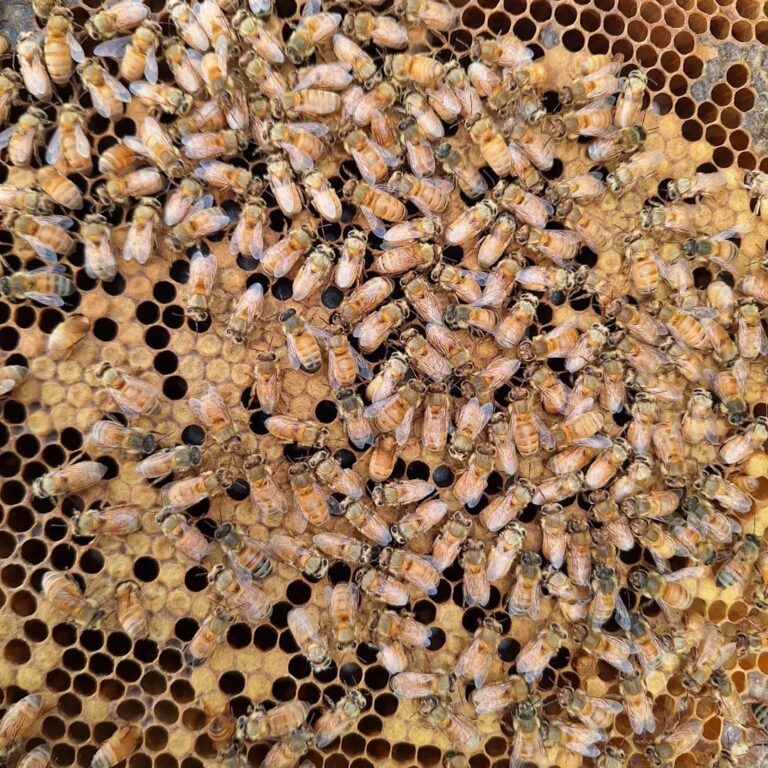
Worker bees are entirely sterile females, yet they execute every single physical task required to keep the hive functional. Throughout her short lifespan—which varies from a few weeks during the intensive summer foraging season to several months in the quiet winter—a worker honeybee cycles through a sequence of vital occupations.
- Nurse Bees: Young workers act as nurses, remaining deep inside the hive to feed developing larvae royal jelly and bee bread.
- Builders and Cleaners: As they mature, their abdominal glands begin secreting pure beeswax, enabling them to construct perfect hexagonal honeycombs. They also sanitize cells, process incoming nectar, and fan their wings to control internal hive temperature and moisture levels.
- Guard Bees: Before taking flight into the outside world, workers guard the hive entrance, aggressively defending their honey stores against predatory wasps, mice, and competing robber bees.
- Foragers: In the final stage of life, the worker honeybee becomes a collector, flying miles away to gather nectar, pollen, water, and propolis (bee glue).
The Drones: The Genetic Legacy
Drones are the only male bees in the colony. They possess large eyes designed for tracking movement in flight and robust bodies built for endurance, yet they lack stingers, wax glands, and pollen baskets. A drone honey bee does not gather food or defend the hive; its solitary, critical mission is to fly out to designated Drone Congregation Areas (DCAs) in hopes of mating with a virgin queen bee from a neighboring colony. While their day-to-day contribution inside the hive is minimal, their genetic diversity is paramount for the long-term survival of the local honeybee population.
The Queen Bee: The Heart and Soul of the Hive
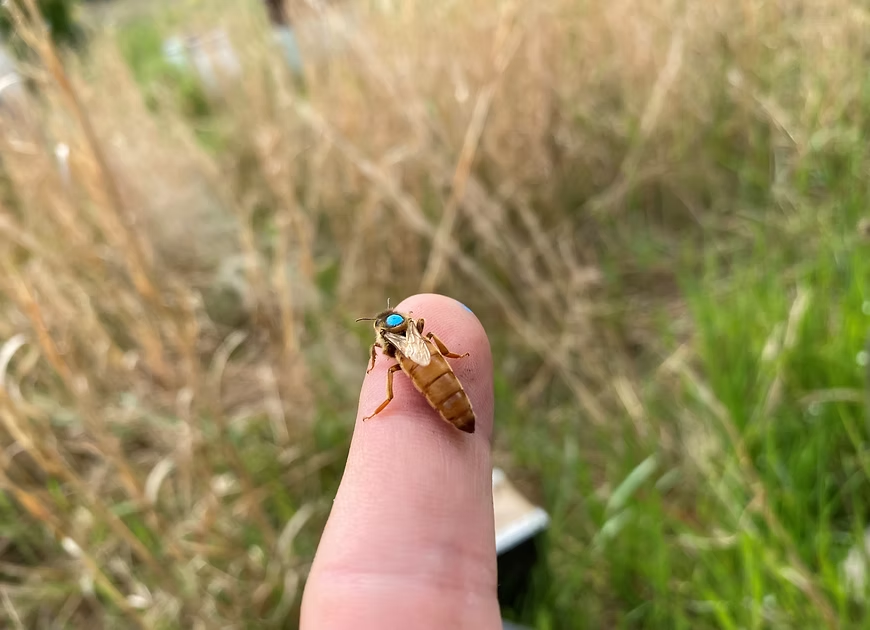
At the epicenter of this complex social circle stands the queen bee. Easily identifiable by her elongated abdomen and elegant, unbarbed stinger, she is the mother of every single insect in the hive. A healthy queen bee can live for three to five years, laying upwards of 1,500 to 2,000 eggs per day during peak spring buildup.
Beyond her reproductive duties, the queen bee regulates the behavior, mood, and cohesion of the entire colony by emitting a powerful suite of chemical signals known as the “queen mandibular pheromone.” This pheromone lets the worker honeybee population know that their leader is healthy, fertile, and active. If the queen bee grows old, injured, or diseased, her pheromone output drops. The worker bees instantly sense this decline and immediately begin building specialized vertically oriented queen cups to raise a young replacement.
3. Premium Beekeeping Supplies at Golden Hive Farm
To successfully manage these intricate creatures, you need reliable, durable, and highly functional apiary tools. At Golden Hive Farm, we have spent years testing and refining a comprehensive inventory of beekeeping equipment designed to protect the beekeeper while minimizing stress on the honey bee colony.
Precision-Engineered Hive Woodenware
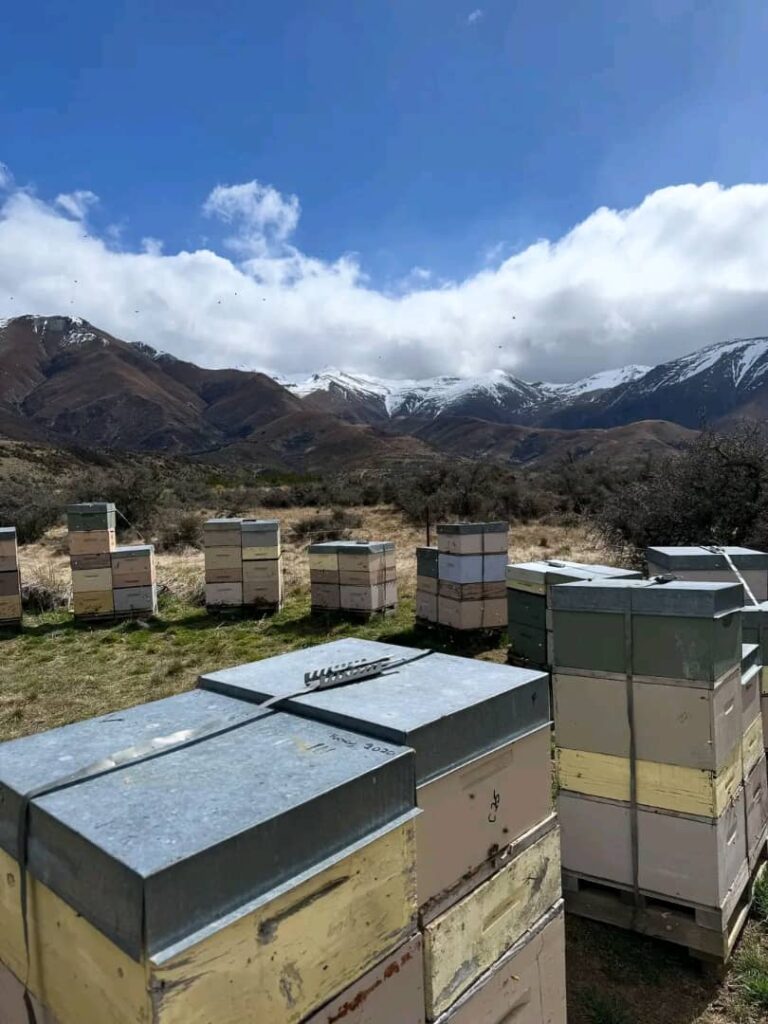
The structure of your hive is the foundation of your success. We offer premium Langstroth-style hives crafted from sustainably sourced, kiln-dried white pine and western red cedar. Our precision-milled hive bodies feature tight-fitting dovetail joints that resist warping, even when exposed to torrential rains and freezing winter winds.
- Deep Brood Boxes: Perfect for giving your queen bee ample space to lay her eggs and expand the colony’s workforce.
- Medium Honey Supers: Designed to hold heavy, honey-filled frames while remaining easy for the beekeeper to lift and transport during the harvest season.
- Frames and Foundations: Available with double-waxed food-grade plastic foundation or pure beeswax sheets, ensuring your honeybee builders can draw out straight, flawless combs with ease.
Professional-Grade Protective Gear
Safety is paramount when working with honeybee colonies. While bees are generally gentle when respected, unexpected weather changes or accidental handling can trigger defensive behavior. Our exclusive line of protective apparel keeps you completely safe without sacrificing breathability:
- Ultra-Breathe 3-Layer Mesh Suits: These innovative suits feature multi-layered mesh that keeps the honey bee stinger from reaching your skin while allowing cool air to circulate freely during hot summer inspections.
- Clear-Vision Vented Veils: Available in round or fencing styles, our veils utilize premium matte-black netting to minimize glare, giving you a crystal-clear view of your queen bee, brood patterns, and honey stores.
- Premium Goatskin Gloves: Supple yet extraordinarily tough, our gloves offer maximum tactile sensitivity, allowing you to lift delicate frames without accidentally pinching a worker bee or agitating the colony.
Essential Apiary Hand Tools
A beekeeper is only as good as their tools. Our heavy-duty stainless steel smoker features an integrated heat shield and a high-volume leather bellows, giving you smooth, cool smoke to calm your bees during routine inspections. Smoke temporarily disrupts the communication channels of the honey bee, triggering a natural instinct to gorge on honey rather than defend the hive.
We also produce ergonomically designed J-hook hive tools, frame grips, and ultra-gentle bee brushes made with soft synthetic bristles that safely move workers out of harm’s way without harming their delicate wings or legs.
4. The Biology and Metamorphosis of the Honey Bee
To truly master apiculture, you must understand the biological journey of the honey bee from an microscopic egg to a fully formed adult. This profound process of transformation, known as holometabolous development (complete metamorphosis), occurs hidden away beneath the protective wax cappings of the brood nest.
+---------------+     3 Days      +-----------------+     6 Days      +-----------------+     12 Days     +------------------+
|   Egg Stage   | --------------> |  Larval Stage   | --------------> |   Pupal Stage   | --------------> |   Adult Bee      |
| Laid by Queen |                 | Fed Royal Jelly |                 | Capped with Wax |                 | Chews Out of Cell|
+---------------+                 +-----------------+                 +-----------------+                 +------------------+
The Four Stages of Bee Development
1. The Egg Stage
The life cycle begins when the queen bee presses her abdomen into an immaculately cleaned cell and deposits a single, tiny egg that resembles a miniature grain of rice. If she releases a stored sperm cell from her spermatheca, the egg is fertilized and will develop into a female worker honeybee or a queen bee. If she leaves the egg unfertilized, it will hatch into a male drone bee. Regardless of the caste, the egg remains in this state for exactly three days before hatching.
2. The Larval Stage
On the fourth day, the egg transforms into a small, C-shaped white larva. At this stage, the nurse bees step in. For the first three days of larval life, every single larva in the hive is fed exclusively on royal jelly—a nutrient-rich substance secreted by the hypopharyngeal glands of young worker bees.
On the fourth day of larval development, a critical genetic divergence occurs based entirely on diet. Worker and drone larvae are abruptly switched to “bee bread,” a robust mixture of fermented pollen and honey. However, if the colony needs to raise a new queen bee, that specific larva is isolated in a spacious queen cup and continuously drenched in pure royal jelly until her cell is sealed.
3. The Pupal Stage
After roughly six days of rapid growth, the larva spins a silken cocoon around itself. The worker bees then seal the cell with a porous, breathable mixture of wax and propolis. Inside this dark cocoon, the honey bee undergoes metamorphosis. Over the course of 7 to 12 days (depending on the caste), the legless larva develops compound eyes, antennae, wings, jointed legs, and intricate internal organ networks.
4. The Adult Stage
Once development is complete, the young honeybee uses its mandibles to chew through the wax cap. She emerges into the busy hive ready to take on her initial duties. The entire developmental cycle requires 16 days for a queen bee, 21 days for a worker honey bee, and 24 days for a male drone.
5. Elite Queen Bee Breeding: The Core of Apiary Health
At Golden Hive Farm, we recognize that the vital spark of any successful hive resides in the genetics of the queen bee. A subpar, poorly mated queen leads to erratic brood patterns, heightened aggression, low honey yields, and poor winter survival rates. That is why we operate an advanced, isolated queen bee breeding program focused on traits like hygienic behavior, parasite resistance, gentle temperament, and high honey productivity.
Choosing the Right Genetics for Your Apiary
Italian Honey Bee (Apis mellifera ligustica)
Known around the world for their exceptionally docile nature and explosive spring buildup, Italian queens are the perfect choice for beginners and commercial honey producers alike. They maintain massive brood nests and are highly industrious honeybee workers, though they require attentive management to ensure they have enough honey stores to make it through long winters.
Carniolan Honey Bee (Apis mellifera carnica)
Hailing from the cold, mountainous regions of Eastern Europe, Carniolan bees are champions of cold-weather survival. A Carniolan queen bee is highly sensitive to environmental cues; she will rapidly downsize her brood nest when forage is scarce to conserve food stores, making this strain extraordinarily efficient with winter resources. They are gentle, fly in cooler temperatures, and excel at foraging in early spring.
Hygienic and Mite-Resistant Strains
We selectively breed queens that display strong Varroa Sensitive Hygiene (VSH) traits. These advanced bees can detect infested brood cells through the wax cappings, open the cells, and remove the parasites before they can spread throughout the honey bee colony. Investing in VSH genetics reduces your reliance on chemical treatments, keeping your hive closer to its natural state.
6. Seasonal Hive Management: A Beekeeper’s Calendar
Managing honeybee colonies requires matching your actions to the seasonal rhythm of nature. Each phase of the year brings unique challenges for your bees, demanding specialized intervention and tools from Golden Hive Farm.
Spring: Expansion, Inspection, and Swarm Prevention
Spring is a time of rebirth and explosive growth for the honey bee. As the first dandelion and willow blooms appear, the queen bee steps up egg production, and the worker honeybee population swells.
- Inspections: Choose a sunny day when temperatures are safely above 60°F (15.5°C) to open the hive. Look for a solid, tight brood pattern, and make sure you spot your queen bee or find fresh eggs, confirming she is active.
- Swarm Control: When a hive becomes overcrowded, the old queen bee will take roughly half the worker force and fly off to establish a new home, leaving the remaining bees to raise a new queen bee. To prevent losing your valuable livestock, expand the hive by adding fresh deep or medium supers from Golden Hive Farm, or perform a colony split to intentionally double your apiary size.
Summer: The Great Honey Flow and Parasite Monitoring
Summer is when the honey bee truly shines. This is the period of the major honey flow, when vast fields of clover, alfalfa, wildflowers, and basswood trees provide an abundance of nectar.
- Supering: Keep a close eye on your hives and add fresh honey supers as soon as the bees have filled 70% of the previous box. Failing to provide enough space can stifle foraging enthusiasm and stall production.
- Mite Testing: Summer heat also brings a surge in Varroa mite populations. Perform a powdered sugar shake or an alcohol wash every 4 to 6 weeks to measure parasite loads, ensuring your honeybee colony stays safe and healthy going into the fall.
Fall: Harvesting Honey and Preparing for Winter
Fall is the season of reward for the apiarist, but it is also the most critical window for ensuring winter survival.
- The Harvest: Use a bee escape board or a gentle brush to clear worker bees from your honey supers. Bring the heavy frames inside, slice away the wax cappings with an electric uncapping knife, and spin the frames in a stainless steel honey extractor to collect your raw harvest. Always remember to leave at least 60 to 80 pounds of capped honey for the bees to feed on during the cold months.
- Feeding and Medicating: If autumn blooms fail to provide enough forage, feed your bees a thick, heavy sugar syrup (2:1 ratio) using our top feeders to help them top off their winter reserves.
Winter: Insulation, Ventilation, and Rest
During winter, the honeybee colony stops foraging entirely. The bees gather into a tight, spherical cluster centered around the queen bee, shivering their flight muscles to maintain a warm internal temperature of around 93°F (34°C), even when outdoor temperatures drop below freezing.
- Windbreaks and Insulation: Wrap your hives with breathable insulation wraps to block freezing winds.
- Moisture Management: The biggest danger to a wintering honey bee cluster is not the cold, but wet condensation dripping down from the inner cover. Use a moisture board or an insulated inner cover from Golden Hive Farm to draw damp air out of the hive, ensuring your bees stay dry, warm, and secure until spring returns.
7. The Science Behind Honey Bee Products: From Hive to Home
When you steward honey bee colonies, you gain access to an array of completely natural substances that have been prized by humanity for thousands of years for their culinary, medicinal, and structural properties.
| Product | Sourced From | Primary Natural Uses | Key Benefits |
|---|---|---|---|
| Raw Honey | Floral Nectar | Hive Food Source | Antioxidant-rich, natural sweetener, soothening properties |
| Beeswax | Worker Abdominal Glands | Comb Construction | Clean-burning candles, skin balms, water-proofing |
| Propolis | Tree Resins & Saps | Hive Structural Sanitizer | Natural antimicrobial properties, “bee glue” sealant |
| Royal Jelly | Worker Gland Secretion | Queen Bee Development | Protein-dense superfood, drives queen longevity |
Pure, Unfiltered Raw Honey
Raw honey is the sweet culmination of thousands of miles of flight. Foragers gather floral nectar, bring it back to the hive, and pass it to house bees. These indoor workers mix the nectar with specialized enzymes that break down complex sugars into simple, easily digestible monosaccharides. They then spread the nectar across open comb cells and fan their wings to evaporate moisture until it hits a stable 17-18%. Once perfected, the cells are capped with wax. Raw, unpasteurized honey retains all its natural pollen grains, enzymes, and antioxidants, making it a functional food far superior to highly processed, grocery-store varieties.
Natural Beeswax
Secreted exclusively by worker bees between 12 and 18 days old, beeswax is an organic compound consisting of esters, fatty acids, and long-chain alcohols. It takes roughly 6 to 8 pounds of consumed honey for a honeybee colony to synthesize a single pound of pure wax. Beeswax candles burn clean, emit negative ions that purify ambient air, and emit a subtle fragrance of sweet honey and warm pollen. It is also an essential ingredient in natural cosmetics, artisanal wood polishes, and reusable, eco-friendly cloth food wraps.
Propolis: Nature’s Defense System
Often referred to as “bee glue,” propolis is a sticky, resinous substance collected by bees from the buds of poplars, conifers, and other resin-producing trees. The honey bee uses propolis to seal small gaps in the hive structure, smooth out rough wooden walls, and sterilize the internal surfaces of brood cells before the queen bee lays her eggs. Rich in polyphenols and flavonoids, propolis possesses powerful antimicrobial qualities, protecting the crowded colony from viral, fungal, and bacterial threats.
8. Why Golden Hive Farm Is Your Trusted Partner
Beekeeping is a lifelong journey of learning, patience, and connection with nature. Success requires more than just high-quality equipment; it takes access to expert guidance, reliable support, and a community that shares your passion for the honey bee.
          Why Beekeepers Choose Golden Hive Farm

    [ Premium Materials ] ---> Kiln-dried wood, 3-layer mesh suits
              |
    [ Elite Genetics ] ------> VSH-bred Italian & Carniolan queens
              |
    [ Dedicated Support ] ---> Guided resources for hive success
When you choose Golden Hive Farm, you are investing in a sustainable future for pollinators. Every piece of woodenware we sell is manufactured using eco-friendly practices, and our select queen bee breeding stocks are managed with the utmost care for insect welfare and genetic diversity. We don’t just sell products; we cultivate lifelong partnerships with our customers, offering detailed seasonal guides, troubleshooting assistance, and premium stock to ensure your apiary thrives year after year.
9. Comprehensive Resources and Deep-Dive Connections
To expand your understanding of apiculture and discover new ways to support the global honeybee population, explore these authoritative scientific resources:
Scientific Organizations & Bee Research Labs
- USDA Agricultural Research Service – Honey Bee Breeding, Genetics, and Physiology Research: The premier federal entity dedicated to developing mite-resistant honey bee stocks and studying colony health.
- The Xerces Society for Invertebrate Conservation: A world-renowned non-profit organization focused on protecting bees, butterflies, and their natural foraging habitats.
- University of Florida Honey Bee Research and Extension Laboratory: A leading academic center offering comprehensive research on honeybee pathology, colony management, and educational master beekeeper programs.
Essential Reading for the Modern Apiarist
- Apimondia (International Federation of Beekeepers’ Associations): The global governing body linking apicultural scientists, equipment manufacturers, and honeybee advocates across all continents.
- The Bee Informed Partnership: A nationwide collaboration of leading research labs and universities that tracks honey bee colony loss trends and promotes data-driven management practices.
10. Start Your Journey with Golden Hive Farm Today
There is nothing quite like the experience of opening a buzzing hive on a warm summer morning, smelling the rich aroma of warm wax and fresh propolis, and watching a vibrant honeybee colony work together in perfect harmony. Whether your goal is to harvest your own sweet wildflower honey, improve pollination yields in your backyard garden, or launch a professional apiculture business, we are here to support you at every turn.
Explore our full catalog of premium hives, protective suits, apiary tools, and elite queen bee lines at Golden Hive Farm. Equipping your apiary with the proper supplies keeps your bees safe, healthy, and productive for seasons to come. Join our growing community of passionate beekeepers today, and give your honey bee colonies the exceptional care they deserve!
References
- Apimondia. (2024). Global apiculture standards and honey bee protection initiatives. International Federation of Beekeepers’ Associations, 42(3), 115-128.
- Bee Informed Partnership. (2025). Annual nationwide survey of honeybee colony loss and management practices. Journal of Apicultural Research, 64(2), 89-104.
- Seeley, T. D. (2019). The Lives of Bees: The Untold Story of the Honey Bee in the Wild. Princeton University Press.
- Tarpy, D. R., & Seeley, T. D. (2006). Frequent multiple mating by the queen bee increases colony resistance to common microbial pathogens. Proceedings of the Royal Society B: Biological Sciences, 273(1598), 2115-2121. https://doi.org/10.1098/rspb.2006.3551
- Winston, M. L. (1991). The Biology of the Honey Bee. Harvard University Press.
Newsletter Updates
Enter your email address below and subscribe to our newsletter