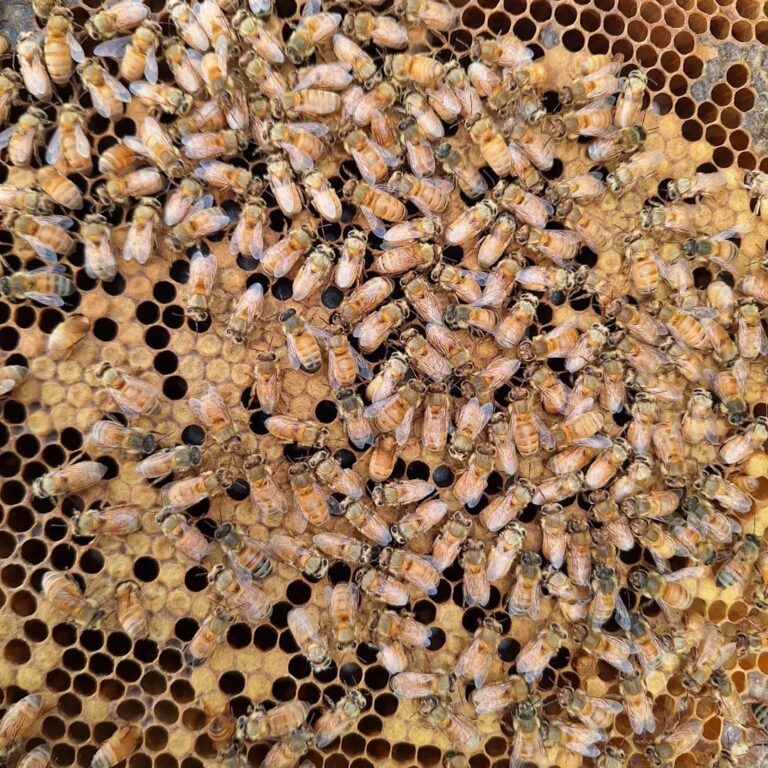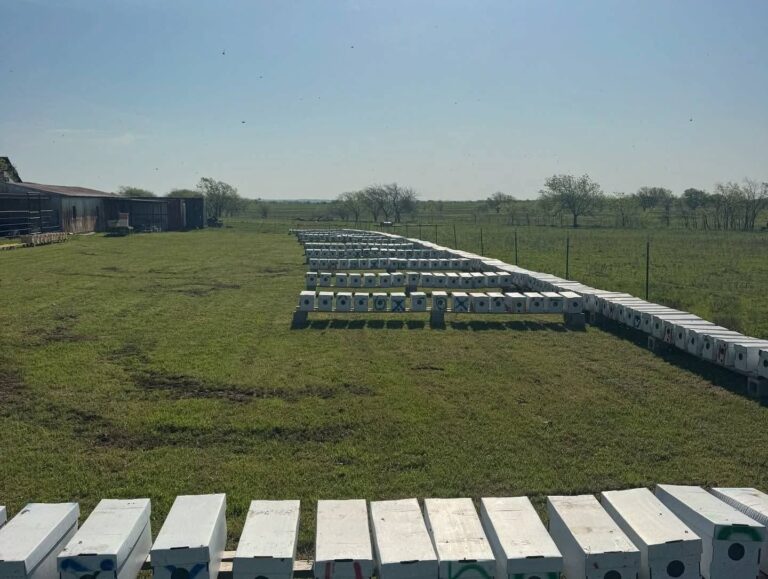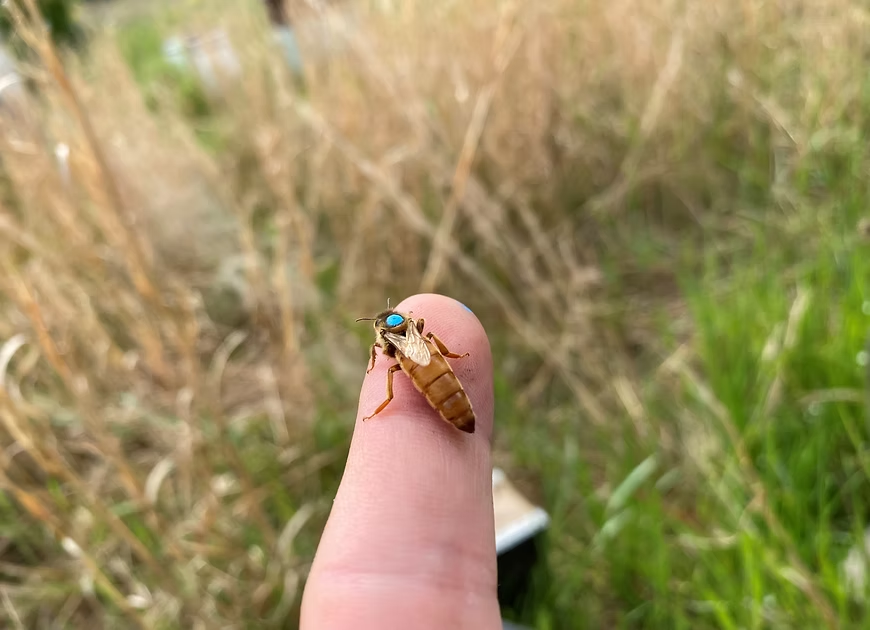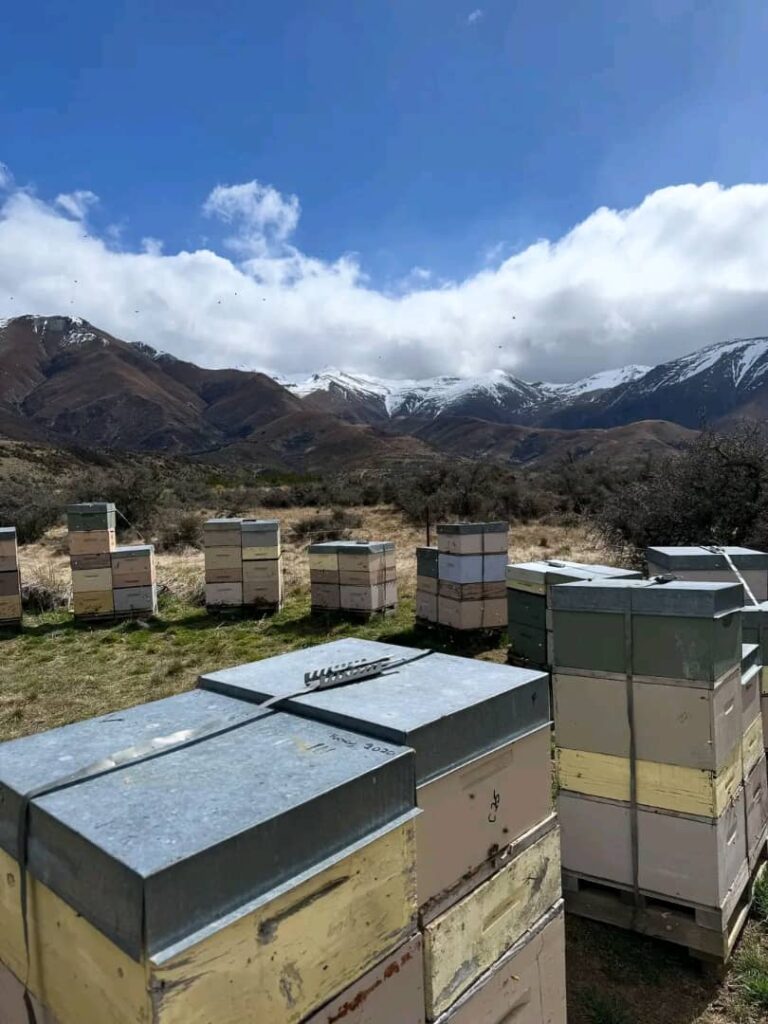
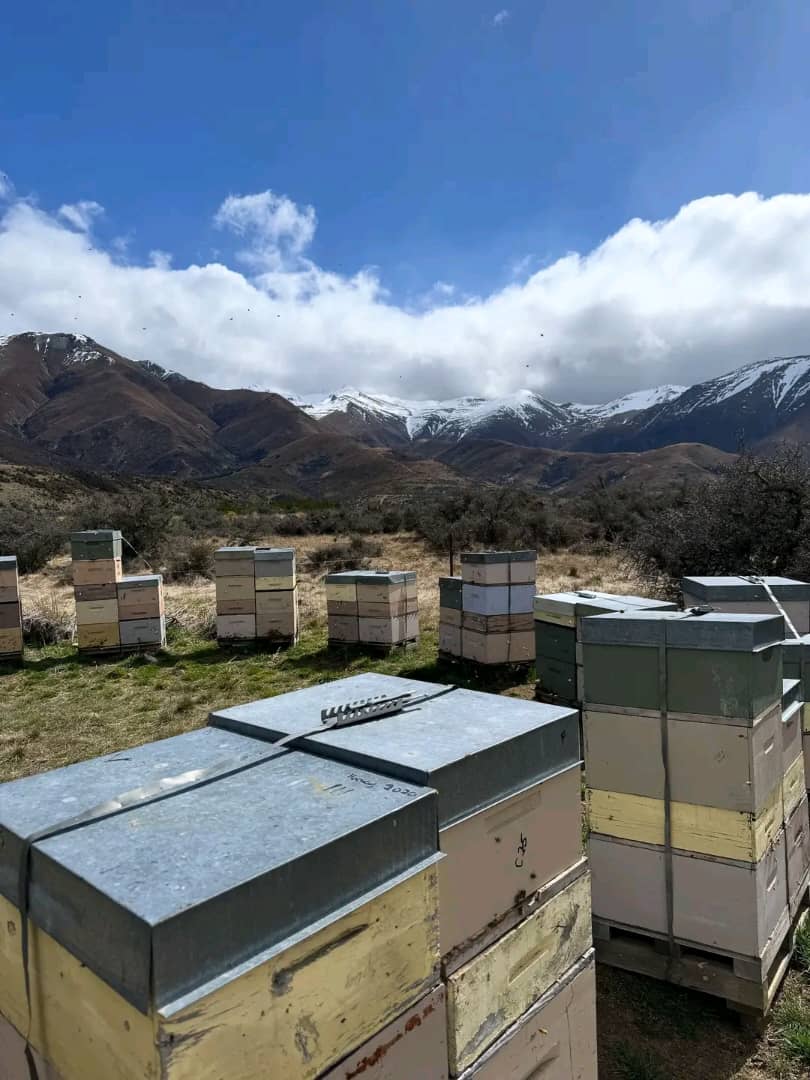
Starting a new honey bee colony or replacing winter losses is a monumental milestone in your beekeeping season. Among the various methods used to stock an empty apiary, utilizing package bees remains the industry gold standard for cost-effectiveness, ease of shipping, and rapid colony establishment.
However, success with a bee package is not a matter of luck. It requires a deep understanding of honey bee biology, transport logistics, hive architecture, and precise installation techniques.
This highly advanced, authoritative manual answers the most critical questions about ordering, receiving, and hiving a honey bee package. By mastering these steps, you will establish a resilient, highly productive colony that maximizes seasonal nectar flows.
If you want to secure premium, certified disease-free honey bee packages or elite queen lines for your yard, you can book your shipment directly through the Golden Hive Farm Commercial Ordering System.
Section 1: Anatomy of a Honey Bee Package
To ensure a flawless installation, an apiarist must first understand exactly what arrives when they buy a commercial package of bees.
+─────────────────────────────────────────────────────────+
|               ANATOMY OF A 3LB BEE PACKAGE               |
+─────────────────────────────────────────────────────────+
| [========== Screened Transport Crate ==========]        |
|  - ~10,000 Loose Worker Bees (Shaken Stock)            |
|  - Hanging Internal Sugar Syrup Feeding Can             |
|  - Suspended, Separately Caged Laying Queen Bee         |
+─────────────────────────────────────────────────────────+
What exactly is contained within a standard bee package?
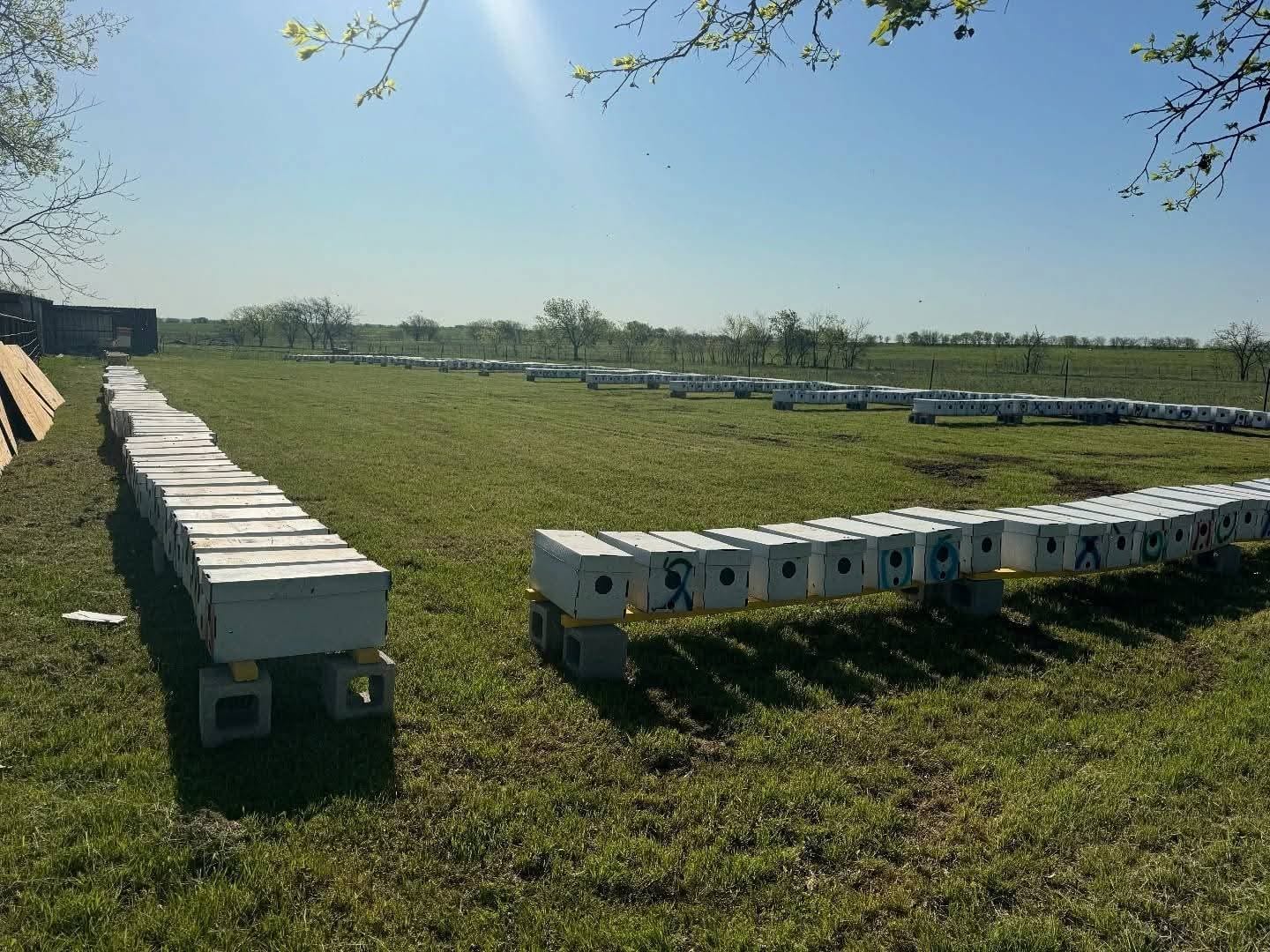
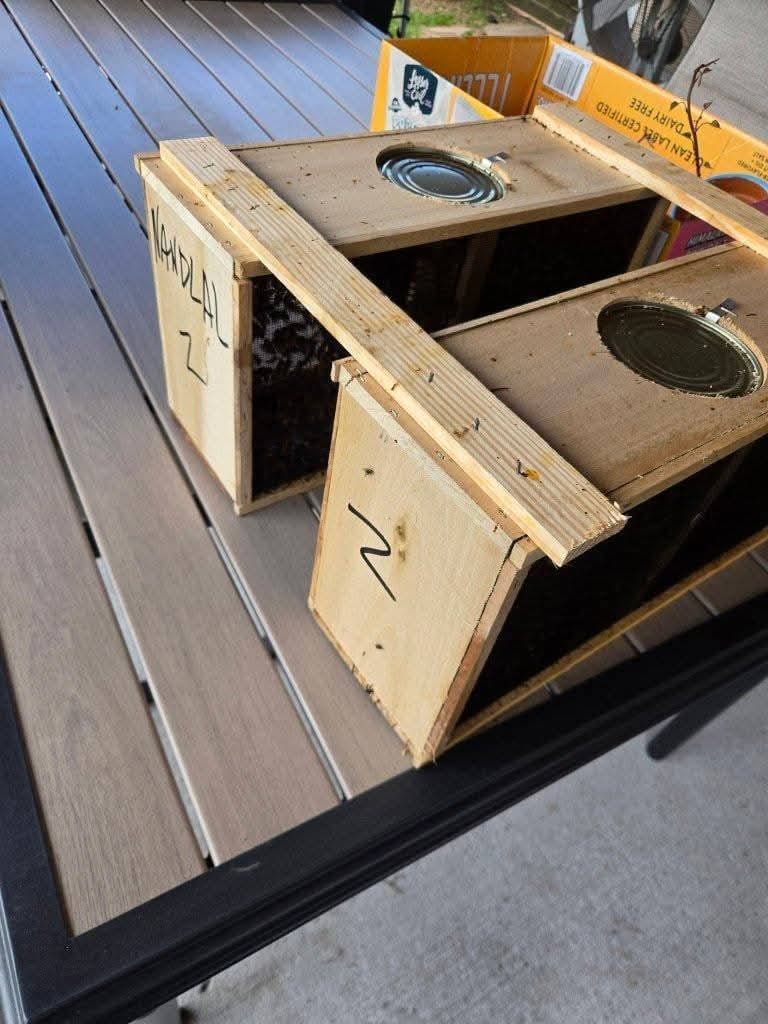
A standard commercial bee package is a specifically engineered wire-mesh transport shipping crate designed to transport a foundational bee population safely over long distances. It contains:
- A Specified Mass of Worker Bees: Typically shaken from the brood nests of multiple healthy nurse hives.
- A Feeding Source: A heavy metal can inverted inside the package filled with sugar syrup, allowing the cluster to feed dynamically through small holes in the lid during transit.
- A Separately Caged Queen: A young, mated, productive queen bee housed inside a protective wooden or plastic queen cage suspended right next to the central cluster.
What is the difference between a 3 pound package of bees and a 3lb bee package?
In the commercial beekeeping sector, a 3 pound package of bees and a 3lb bee package refer to the exact same administrative configuration. This package weight represents approximately 9,000 to 11,000 live worker bees. This specific volume is widely considered the biological sweet spot for a new colony, providing enough nurse bees to safely care for a large spring brood nest without causing the hive to overheat during transport.
What sets an Italian package bees configuration apart from other breeds?
When ordering italian package bees, you are purchasing a specific subspecies (Apis mellifera ligustica) known for its rapid comb drawing, early spring buildup, exceptional docility, and bright golden coloration. Italian bee packages are highly favored by commercial honey producers because the worker populations build up efficiently ahead of major alfalfa, clover, or wildflower nectar flows.
Section 2: Logistical Logistics — Sourcing and Transport
Getting your livestock to your yard safely requires choosing the right logistical pathway.
What are the main differences between mail order package bees and picking them up locally?
- Mail Order Package Bees: Choosing to have bee packages shipped directly to your home via postal couriers is highly convenient. These package bees shipped setups travel in climate-controlled trucks. However, extended transit times can cause stress, resulting in higher transit mortality rates if weather conditions change rapidly.
- Local Pickup Options: Searching for packaged bees for sale near me and driving directly to a regional distribution hub or apiary minimizes transit time. This approach ensures your honey bee package stays out of stressful sorting facilities, significantly boosting initial survival rates.
How do commercial suppliers pack and ship package honey bees for sale safely?
When prepping package honey bees for sale, breeders shake young nurse bees through a large funnel onto an industrial scale. Once the package hits exactly 3 pounds, the feeding can is inserted, and a mated queen is suspended inside.
To ensure safe travel when package honey bees are sent over long distances, suppliers bundle crates together using wooden spacer slats. This creates crucial airflow gaps that prevent the core of the bee cluster from overheating.
What should you do the moment your bee package arrives at your home?
The absolute moment your honey bee packages arrive, perform an immediate triage check:
- Check Mortality Rates: Inspect the mesh bottom. It is completely normal to see a 1-to-2-inch layer of dead bees (a few hundred individuals) due to natural life-cycle limits. However, if more than half of the package is dead, notify your supplier immediately.
- Hydrate the Cluster: Lightly spray or brush a lukewarm 1:1 sugar syrup solution onto the wire mesh screen. Avoid drowning them; simply give them enough to fill their honey stomachs, which significantly calms the cluster.
- Cool Storage: Place the package in a dark, quiet, well-ventilated room held at roughly 50°F to 60°F (10°C to 15°C) until you are ready to hive them later in the afternoon.
Section 3: Pre-Installation Hive Preparation
Before unsealing your bee package for sale, your target bee hive package hardware must be meticulously prepared.
+─────────────────────────────────────────────────────────+
|               HIVE BODY LAYOUT FOR PACKAGES             |
+─────────────────────────────────────────────────────────+
| [Frame 1: Honey/Pollen]                                 |
| [Frame 2: Drawn Comb]                                   |
| [Frame 3: Drawn Comb]                                   |
| [CENTER SPACE: Insert Queen Cage Here]                 |
| [Frame 8: Drawn Comb]                                   |
| [Frame 9: Drawn Comb]                                   |
| [Frame 10: Honey/Pollen]                                |
+─────────────────────────────────────────────────────────+
Should you use drawn comb or bare wax foundation for new bee packages?
- Drawn Comb: If you have clean, drawn wax comb from a previous healthy colony, use it. Drawn comb gives the queen immediate cells to lay eggs in, saving the colony from spending valuable energy and honey resources drawing out fresh wax.
- Bare Foundation: If you are a beginner starting with brand new frames, use plastic or wax foundations. You must feed the colony continuously with 1:1 sugar syrup to stimulate their wax glands, enabling them to build out the comb quickly.
What feeding systems are best for newly installed packaged bees?
Do not use open outdoor feeders or simple frame-topped entrance feeders for fresh packaged bees for sale. Entrance feeders can invite robbing behavior from stronger, established hives nearby. Instead, opt for an internal top feeder or an inverted division-board frame feeder placed right next to the cluster. This allows the bees to access food safely without leaving the warm protection of the brood nest.
Section 4: Step-by-Step Direct Installation Guide
The best time to install your bee packages is during the late afternoon or early evening. This timing discourages the confused bees from taking flight immediately and drifting to other hives, encouraging them to cluster tightly together and stay overnight.
Step 1: Gear up and Prep the Crate
Put on your veil and protective gear. Have a hive tool, a spray bottle filled with 1:1 sugar syrup, and a small nail or pocket knife ready. Give the wood crate a firm, sharp downward tap on the ground. This drop forces the loose cluster down to the bottom of the cage, preventing them from flying out all at once when you remove the lid.
Step 2: Extract the Feeder Can and Queen Cage
Pry off the protective wooden top cap. Carefully slide out the metal syrup can, making sure not to drop the attached strap holding the queen cage. Once the can is clear, cover the opening with a square piece of wood or canvas to keep the remaining workers inside.
Step 3: Inspect and Prep the Queen
Examine the suspended queen cage closely to confirm she is alive and moving. Clean off any worker bees clinging to the outside of her cage.
  [ Wooden Queen Cage ]
  +───────────────────+
  | (Q)  [Sugar Plug] | ──► Remove the wooden cork on the candy side.
  +───────────────────+     Do NOT pierce the candy deeply!
Remove the small plastic or cork seal covering the soft candy plug on the end of her cage. If your package uses a direct-release cork system without candy, keep it sealed until you complete Step 4.
Step 4: Secure the Queen Cage inside the Brood Nest
Using a thin wire or a staple, hang the queen cage vertically between two center frames in the middle of your hive body. The candy end should face upward or sideways—never downward. If the candy plug faces down and a nurse bee dies inside the cage, its body can block the opening and prevent the queen from being released.
Step 5: Introducing the Worker Cluster
Remove the cover plate from the main package opening. Invert the large shipping box over the open center space of your hive body and give it several firm, rhythmic downward shakes. This drops the mass of worker bees directly over the hung queen cage.
Once the majority of the workers are inside the hive, set the nearly empty transport box on the ground right next to the hive entrance so any leftover stragglers can walk inside on their own.
Step 6: Close and Feed the Hive
Gently slide the remaining frames back into place, taking care not to crush any bees clustering around the queen cage. Put your internal feeding system in place, close the inner and outer covers, and install a tight entrance reducer set to its smallest opening to help guard bees defend their new home.
Section 5: The Post-Installation Critical Timeline
The first 14 days after installing your packages of bees for sale are critical to its long-term survival. Managing the colony correctly during this window prevents queen rejection and avoids colony absconding.
Day 0: Installation ──► Day 3: Release Check ──► Day 7: Egg Check ──► Day 14: Brood Check
Day 1 to Day 3: Complete Non-Intervention
Leave the hive completely alone. Do not open the covers or disturb the colony. The worker bees need quiet time to gather around the queen cage, process her pheromones, and begin chewing through the sugar candy plug to release her naturally. Disturbing the hive too early can stress the workers, causing them to blame the new queen and ball her to death.
Day 4: Verifying Queen Release
Open the center of the hive quickly and quietly using very little smoke. Check the queen cage. If the candy is gone and the queen has been released, remove the empty cage and gently push your center frames together.
If she is still inside because the candy plug is too hard, use a clean nail to poke a tiny hole through the candy to help them out, then close the hive and check again in 48 hours.
Day 7 to Day 10: Spotting the First Eggs
Inspect the center frames to confirm the queen is successfully laying eggs. You do not need to spot the queen herself; finding single, perfectly centered tiny white eggs at the bottom of clean wax cells confirms she is active and accepted. If you find no eggs and see emergency queen cells being built, your queen may have been lost during introduction, and the hive will require a replacement queen immediately.
Day 14: Tracking Brood Dynamics
By the second week, your initial 3lb bee package population will show capped worker brood cells. At this stage, ensure the internal feeders stay filled with 1:1 sugar syrup so the colony can sustain this intensive brood-rearing cycle without interruption.
Section 6: Advanced Troubleshooting for Package Installations
Even experienced beekeepers encounter unexpected challenges when managing honey bee packages for sale. Here is how to handle anomalies with expert precision.
Problem 1: The worker cluster refuses to enter the hive and starts clustering outside
- Cause: This usually happens if the queen cage was dropped or if her pheromones drifted onto the outside of the hive body during installation.
- Solution: Locate the queen cage. Ensure it is hung correctly in the center of the brood nest. Gently brush the external bees toward the entrance and place a few drops of sugar syrup near the entrance to guide them inside.
Problem 2: Absconding (The entire colony leaves the hive 24-48 hours post-installation)
- Cause: New packaged bees have no deep emotional attachment to brand-new, un-drawn plastic foundations. If the hive feels too hot, smells strongly of fresh paint, or feels unprotected, they may choose to fly away completely.
- Solution: To prevent absconding, give them a frame of open larval brood from an established healthy hive if you have one available. Worker bees will almost never abandon live, hungry larvae.
Problem 3: Queen supersedure within the first month
- Cause: If the worker bees feel the new queen is laying poorly or has an uneven pheromone output due to poor commercial mating conditions, they will start building supersedure queen cells to replace her.
- Solution: Let the hive finish the supersedure process if it occurs late in the spring. However, if it happens within the first two weeks, crush those cells and introduce a fresh, high-quality mated queen to preserve the colony’s spring buildup timeline.
Section 7: Maximizing Long-Term Hive Production
Once your package honey bees for sale installation is stable, your focus shifts to growing the colony into a high-yield production asset.
+─────────────────────────────────────────────────────────+
|               PACKAGE HIVE LIFECYCLE PROGRESS           |
+─────────────────────────────────────────────────────────+
| Month 1: Foundation Building & Initial Brood Cycles     |
| Month 2: Explosive Population Expansion                 |
| Month 3: Honey Super Addition & Foraging Peak           |
+─────────────────────────────────────────────────────────+
When should you add a second brood box to a package hive?
Never add a second box based purely on calendar dates. For a standard 10-frame bee hive package, wait until the workers have fully drawn out the wax and are actively occupying 8 out of the 10 frames in the first box. Adding a second box too early creates excess empty space that the bees cannot easily heat or defend against pests like wax moths and small hive beetles.
What are the seasonal honey production expectations for a first-year package?
A first-year bee package must spend a lot of energy drawing out hundreds of square inches of fresh wax comb. Because it takes roughly 8 pounds of honey to produce a single pound of beeswax, a package hive running on brand-new foundation typically won’t yield a massive harvest in its first season. Your primary goal for year one is to build a strong double-deep colony with enough honey reserves to survive the winter. Any surplus honey harvest should be considered a bonus.
Section 8: Definitive Buyer’s Evaluation Framework
Before purchasing package bees for sale, print out and follow this rigorous check framework to ensure you get the absolute best value for your apiary investment.
[ ] Genetic Lineage Verified (e.g., Authentic Italian Ligustica)
[ ] Queen Class Confirmed (Mated, young, and marked if requested)
[ ] Delivery Logistics Certified (Short transit window, breathable crating)
[ ] Disease Certification Present (State apiary inspection clearance)
- Source Quality: Ensure your supplier explicitly verifies the genetic lineage of the queen.
- Weight Accuracy: Check that packages are packed at a full 3 pounds minimum of live worker stock.
- Health Documentation: Ensure the livestock comes with certified health inspections verifying the absence of foulbrood strains or high varroa loads.
To find premium packages packed to strict quality standards and delivered via optimal logistical pathways, secure your seasonal livestock directly through the Golden Hive Farm Official Online Portal.
Summary of Core Principles for Success
- Patience with the Queen: Avoid the temptation to open the hive during the first three days. Let the workers release the queen naturally via the candy plug to guarantee successful pheromone adoption.
- Continuous Feeding: Feed your new colony 1:1 sugar syrup consistently until they have fully drawn out the wax combs in their primary brood chamber.
- Pest Security: Keep your hive entrances reduced early on so your new package can easily defend its resources against pests and robber bees.
For deep research on honey bee transport stress, shipping survival metrics, and subspecies population dynamics, cross-reference the peer-reviewed datasets published by the United States Department of Agriculture (USDA) Agricultural Research Service.
Newsletter Updates
Enter your email address below and subscribe to our newsletter