Selecting the ideal honey bee subspecies is one of the most critical decisions an apiarist will make. Among the options available to modern beekeepers, the Italian honey bee (Apis mellifera ligustica) stands as the most popular and widely managed variety in the world.
This deep-dive guide is structured to provide clear, actionable insights through direct questions and answers based on real-world apiary management experience. Whether you are wondering about subspecific traits, comparing genetics, or preparing to buy your next colony, this manual delivers the topical depth required to optimize your yard.
If you are ready to introduce high-tier, selectively bred genetics into your apiary, you can securely secure your next colony directly from the Golden Hive Farm Online Store.
Section 1: Core Profile of the Italian Honey Bee (Apis mellifera ligustica)
What is the origin of the Italian honey bee?
The italian honey bee originated in the continental region of Italy, south of the Alps. Evolving in a Mediterranean climate characterized by warm, dry summers and relatively mild winters, this subspecies developed a unique biological rhythm that favors rapid spring buildup and massive worker populations. Over the past two centuries, italian beekeeping practices have exported this resilient insect to virtually every corner of the global agricultural sector.
What are the defining physical and behavioral characteristics of Italian bees?
When observing an italian bee colony, several physical markers stand out immediately:
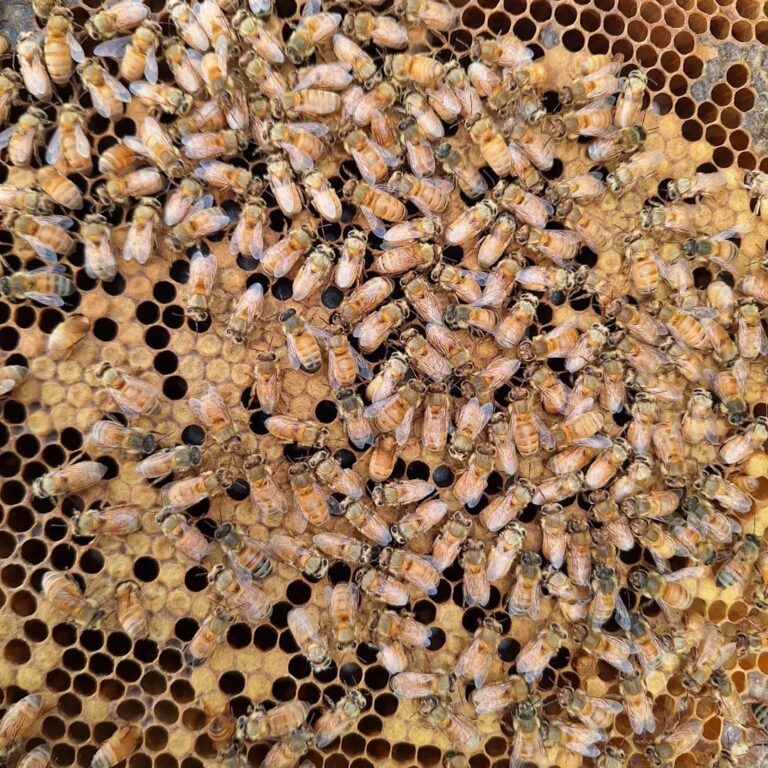
- Coloration: They feature distinct, light-colored bands ranging from leather-brown to bright golden yellow across their abdomen.
- Docility: They are highly prized for their gentle disposition, making them easy to handle during routine hive inspections.
- Comb Stay: During a hive manipulation, italian bees tend to remain calm and quiet on the comb surface rather than running or boiling over the edges of the hive body.
What are the primary advantages of keeping an Italian beehive?
An italian beehive is highly favored because of its exceptional performance traits:
- Prolific Brood Rearing: The italian queen bee maintains high egg-laying rates from early spring until late autumn.
- Massive Foraging Force: This continuous brood cycle ensures an abundant population of field foragers ready to maximize major seasonal nectar flows.
- Strong Comb Building: They are highly efficient comb builders, quickly drawing out beeswax foundations.
- Low Propolis Use: They use minimal propolis (bee glue), keeping frames easy to pry apart during management.
What are the operational challenges or disadvantages of the Italy bee?
While highly efficient, the italy bee presents a few specific drawbacks that require active management:
- High Food Consumption: Due to their large winter clusters and continuous brood rearing, they consume winter honey stores much faster than other subspecies.
- Robbing Behavior: If a nectar dearth occurs, italian honeybees may scout and aggressively rob out weaker neighboring colonies.
- Drifting Tendencies: Workers frequently drift into adjacent hives, which can accidentally accelerate the spread of pests or pathogens across a tightly spaced apiary.
Section 2: Subspecies Comparisons (The Genetic Breakdown)
An apiary’s long-term success relies heavily on choosing the right genetics for your specific climate. Here is a detailed breakdown comparing the italian honey bee with its primary genetic competitors.
+------------------------+--------------------------+--------------------------+--------------------------+
| Performance Metric     | Italian Bees             | Carniolan Bees           | Russian Bees             |
+------------------------+--------------------------+--------------------------+--------------------------+
| Spring Buildup Speed   | Explosive / Early        | Ultra-Rapid / Volatile   | Moderate / Weather Bound |
| Winter Cluster Size    | Large                    | Small / Compact          | Small / Highly Resourceful|
| Temperament            | Very Gentle & Calm       | Exceptionally Gentle     | Defensive When Stressed  |
| Varroa Mite Resistance | Moderate / Requires IPM  | Moderate                 | Exceptionally High       |
| Honey Conservation     | Poor (Requires Feeding)  | Excellent                | Outstanding              |
+------------------------+--------------------------+--------------------------+--------------------------+
Carniolan Bees vs Italian: Which is better for your apiary?
When evaluating carniolan bees vs italian, the choice comes down to your local climate and overwintering style:
- Wintering: Carniolan bees (Apis mellifera carnica) adjust their colony size dynamically based on resources. In autumn, they reduce their cluster size significantly, allowing them to survive harsh winters on very little honey. In contrast, italian bees maintain a large winter cluster and require substantial winter honey stores.
- Spring Management: When comparing italian bees vs carniolan bees, Carniolans build up rapidly at the first sign of spring pollen. However, this quick explosion can trigger a strong swarming impulse if the beekeeper does not provide extra space promptly. Italian honey bees build up in a more predictable linear curve, making swarm management slightly more straightforward.
Italian vs Russian Bees: How do they compare in pest resistance?
The comparison of italian bees vs russian bees is centered directly on Varroa mite tolerance and environmental resilience:
- Mite Resistance: Russian honey bees possess strong, naturally selected resistance to Varroa destructor mites and tracheal mites. Italian honey bees generally require active Integrated Pest Management (IPM) strategies and timely treatments to keep mite levels below damaging thresholds.
- Resource Management: In a side-by-side comparison of italian vs russian bees, Russian colonies will quickly pause brood production during a summer nectar dearth to conserve food. Italian honeybees, however, will often keep raising brood at full capacity regardless of outside environmental conditions, making them susceptible to starvation if not fed manually.
What are the characteristics of an Italian Carniolan hybrid bee?
An italian carniolan hybrid bee is produced by crossing an italian bee queen with Carniolan drones (or vice versa). This hybrid cross often exhibits heterosis (hybrid vigor), combining the gentle nature and strong foraging drive of the Italian strain with the superior overwintering ability and cold-weather flight capabilities of the Carniolan line.
How does the Saskatraz strain compare to the traditional Italian bee?
When looking at saskatraz bees vs italian, the Saskatraz strain (developed in Canada) focuses primarily on varroa tolerance, cold-hardiness, and intense honey production. While standard italian honey bees excel in stable climates with predictable nectar flows, Saskatraz hybrids are tailored for extreme, rapidly changing northern winter environments.
Section 3: Anatomy and Management of the Italian Queen Bee
      __   _
    _(_ )_(_)_     [The Sovereign Core]
   (_)_(_)_(_)_►   Italian Honey Bee Queen: Distinct, long golden abdomen,
     (_) (_(_)     responsible for maintaining the colony's gentle disposition.
What makes the Italian honey bee queen unique?
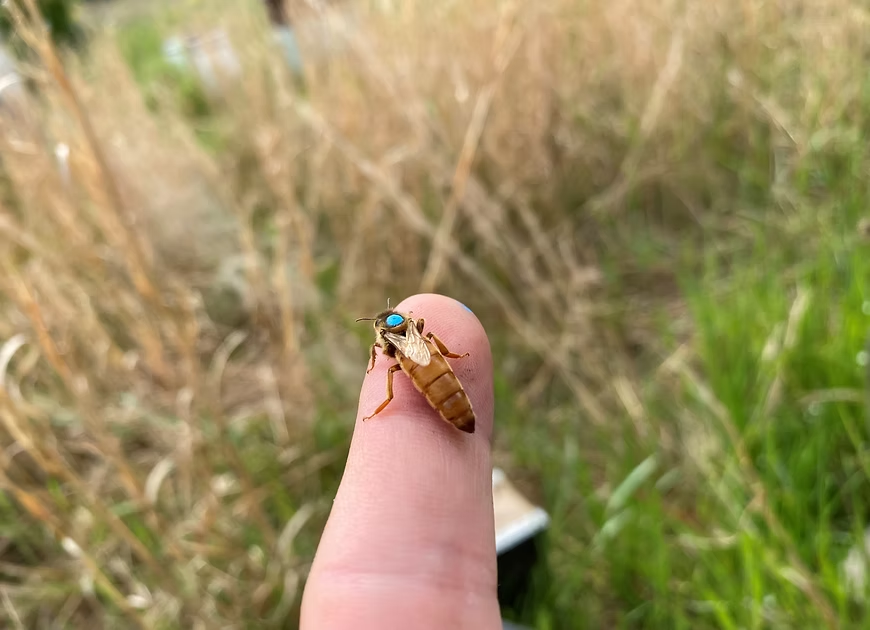
The italian honey bee queen is easily recognized by her elongated, tapered abdomen, which is usually a solid, deep golden-orange or leather-colored hue. She lacks the dark tips or solid black coloration frequently seen in Caucasian or German black queens. Her pheromones are highly stable, effectively keeping a colony of up to 60,000 workers organized and unified.
Why should a beekeeper buy mated Italian queen bees for sale?
Opting to buy mated italian queen bees for sale provides two major operational advantages:
- Immediate Egg Laying: A properly mated queen can begin laying thousands of fertilized eggs within 48 hours of successful hive introduction.
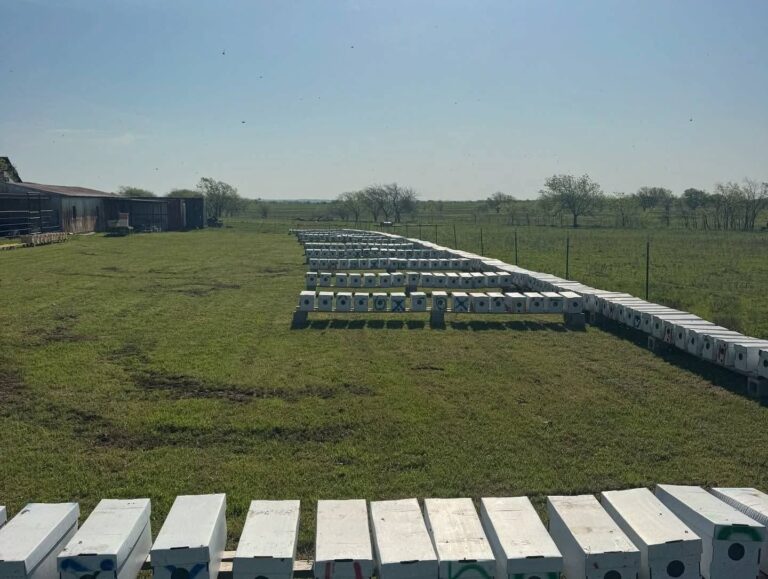
- Genetic Quality Control: Professionally raised and mated queens are paired with high-quality drones in controlled mating yards, ensuring your hive retains its gentle, productive, and low-swarming traits.
How do you successfully introduce a new Italian bee queen to an orphaned colony?
To successfully introduce a new italian queen to a colony, follow these steps:
- Ensure Queenlessness: Confirm the destination colony is completely queenless and has no active emergency queen cells.
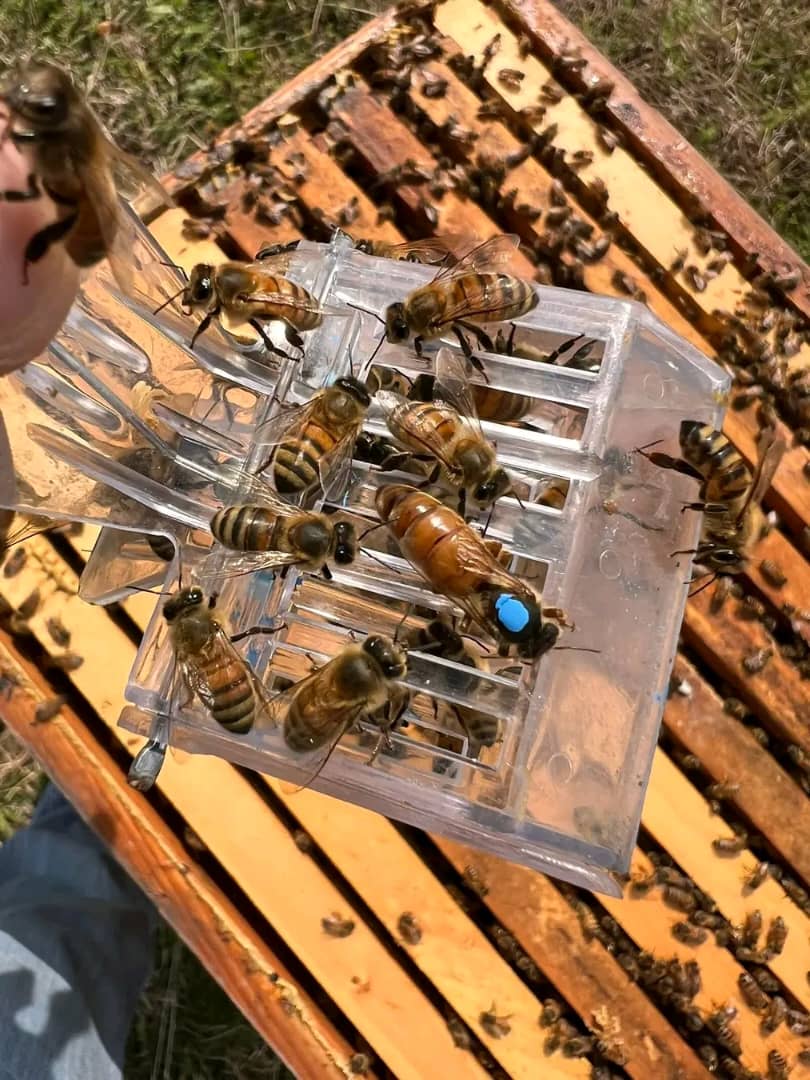
- Use a Shipping Cage: Keep the new queen protected inside a screened shipping cage capped with a sugar candy plug.
- Pheromone Acclimation: Place the cage securely between two center frames of brood. Over the course of 3 to 5 days, the worker bees will eat through the candy plug to release her, allowing them time to acclimate to her specific pheromone signature and preventing them from rejecting her.
Section 4: Sourcing, Installing, and Purchasing Italian Bees
What is included when you buy Italian package bees?
When you order an italian package bees configuration, you receive a screened wooden box containing roughly 3 pounds of live worker bees (approximately 10,000 individuals), a young, separately caged italian honey bee queen, and a temporary can of sugar syrup to keep the bees nourished during transport.
What is the difference between an Italian bee package and a Nucleus Colony (Nuc)?
- Italian Bee Packages: A package is a collection of bees shaken from multiple hives, shipped without any pre-built combs or frames. It requires the bees to expend energy drawing out fresh wax foundation.
- Nucleus Colony (Nuc): A nuc is a fully functioning, miniature hive—typically consisting of 5 established frames containing active brood, honey, pollen stores, and a laying queen already accepted by her workers.
Where can I buy authentic, premium Italian honey bees for sale near me?
If you are looking to secure high-productivity colonies, you can browse verified livestock listings online. For healthy packages, nucleus colonies, and selectively bred queens, place your order directly through the Golden Hive Farm Official Ordering Page.
Section 5: Step-by-Step Seasonal Management Calendar
To get the absolute best performance from an italian beehive, a beekeeper must align their management actions with the specific growth cycle of these bees.
+-------------------+---------------------------------------------------------------------------------------+
| Season            | Critical Management Actions for Italian Strains                                       |
+-------------------+---------------------------------------------------------------------------------------+
| Early Spring      | - Check honey reserves to prevent starvation.                                         |
|                   | - Add second deep brood boxes early to accommodate rapid population growth.            |
+-------------------+---------------------------------------------------------------------------------------+
| Late Spring       | - Add honey supers ahead of major nectar flows.                                       |
|                   | - Monitor for swarm cells; implement splits if the hive becomes overcrowded.          |
+-------------------+---------------------------------------------------------------------------------------+
| Summer Dearth     | - Install entrance reducers to protect against robbing behavior.                      |
|                   | - Monitor Varroa mite levels using an alcohol wash or sugar shake.                     |
+-------------------+---------------------------------------------------------------------------------------+
| Autumn / Winter   | - Feed thick 2:1 sugar syrup to build adequate winter food reserves.                  |
|                   | - Ensure proper upper ventilation to prevent moisture buildup above the cluster.      |
+-------------------+---------------------------------------------------------------------------------------+
How do you prevent late-summer robbing behavior in an Italian apiary?
Because italian honey bees are highly opportunistic foragers, a summer nectar dearth can trigger intense robbing behavior directed at weaker neighboring hives. To safeguard your apiary:
- Reduce Entrances: Install entrance reducers on all hives to decrease the area a colony’s guard bees need to defend.
- Cover Inspections: Keep hives open for as short a time as possible during inspections, and ensure any pulled honey frames are kept under a damp cloth or specialized lid.
Section 6: Frequently Asked Questions
Are Italian bees a good choice for absolute beginners?
Yes. Thanks to their calm temperament, predictable behavior, and reluctance to sting, italian honey bees are widely considered the ideal choice for new beekeepers learning basic hive mechanics.
How much honey does an average Italian honey bee hive require for winter?
In temperate northern climates, a double-deep italian beehive should enter winter with at least 80 to 100 pounds of capped honey stores due to their larger winter cluster size.
Why is my Italian colony consuming resources faster than my neighbor’s Carniolan hive?
Your italian honeybees maintain a continuous brood nest well into autumn. Raising young brood requires a constant internal hive temperature of approximately 95°F (35°C), which requires a high consumption of honey reserves for energy compared to a Carniolan colony that goes completely broodless in winter.
Can I mix Italian and Russian bees in the same apiary yard?
Yes, you can manage both strains in the same yard. However, you must use entrance reducers during a nectar dearth to prevent the highly active foraging drive of your italian bees from leading them to rob out other colonies.
Where should I go to buy high-quality Italian queens and packages securely online?
For certified, professionally reared italian honey bee queens for sale and healthy package bees shipped safely to your apiary, visit the Golden Hive Farm Storefront.
Summary of Core Concepts
- Subspecies Choice: The italian honey bee excels at building massive worker populations and producing excellent honey crops, provided they are managed by an alert beekeeper who monitors food stores.
- Resource Planning: Always ensure your italian beehive configurations have ample room to grow in the spring, and proactively protect against robbing during late summer dearths.
- Genetic Sourcing: To keep your yard productive and gentle, source your stock from reputable breeders. Head over to Golden Hive Farm to find verified livestock options tailored for your apiary.
For further scientific and taxonomy details regarding the historical breeding and classification of Apis mellifera ligustica, you can explore the peer-reviewed research databases at The National Center for Biotechnology Information (NCBI).
Newsletter Updates
Enter your email address below and subscribe to our newsletter