Starting a new hive or expanding an existing apiary is a thrilling milestone, but it hinges on one critical question: where to buy bee colonies near me?
While it is entirely possible to order live packages and mated queens from commercial distributors halfway across the country, experienced apiarists know that sourcing your livestock locally is the ultimate cheat code for long-term beekeeping success. Local bees possess an invaluable biological advantage—they carry the precise regional genetics needed to thrive in your specific climate, adapt to your neighborhood’s seasonal weather patterns, and forage efficiently on native flora.
Here at Golden Hive Farm, we are dedicated to helping both beginner hobbyists and commercial apiary managers establish healthy, robust, and highly productive hives. In this comprehensive expert guide, we will outline the absolute best strategies for sourcing honey bee colonies right in your backyard and show you how to transition them safely into your equipment.
The Core Strategy: How to Find Local Honey Bees for Sale
When you are hunting down a starter colony, typing “where to buy bee colonies near me” into a search engine is just the first step. To ensure you are buying from an ethical, disease-free source, you should target these primary local avenues:
1. Local Beekeeping Associations and Regional Guilds
Almost every county or state has a dedicated non-profit beekeeping club. These local associations serve as a massive central hub for regional producers. Many clubs coordinate annual group orders or maintain a verified directory of regional members who specialize in selling spring splits and nucleus colonies.
- Why it matters: Sourcing through a guild ensures you are buying from a peer whose apiary management practices are aligned with local agricultural extension guidelines.
2. Independent Family Apiaries
Boutique, family-owned honey farms are the gold standard for purchasing live colonies. At Golden Hive Farm, we emphasize sustainable breeding programs that prioritize high vitality and gentle temperaments over rushed, industrial production lines. By purchasing directly from a specialized local farm like ours, you gain access to transparent health records, direct support, and acclimated local stock.
3. Regional Agricultural Cooperatives & Feed Stores
During the peak spring windows of March, April, and May, many local farm supply stores partner with commercial queen and package producers to offer scheduled, in-person pickup events. This provides a highly reliable option for picking up your bees directly without subjecting them to the severe dehydration risks of a commercial mail delivery truck.
Package vs. Nuc: Which Colony Option is Close By?
When you locate a local seller or reach out to us at Golden Hive Farm, you will generally be offered two distinct structural formats for your new colony. Choosing the right one depends heavily on your budget and experience level.
The Nucleus Colony (Nuc)
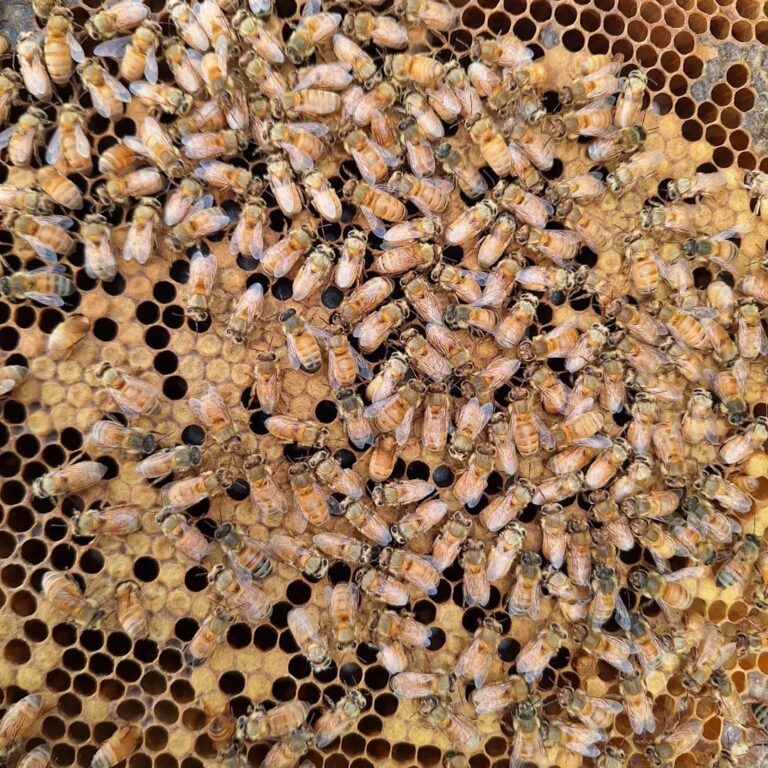
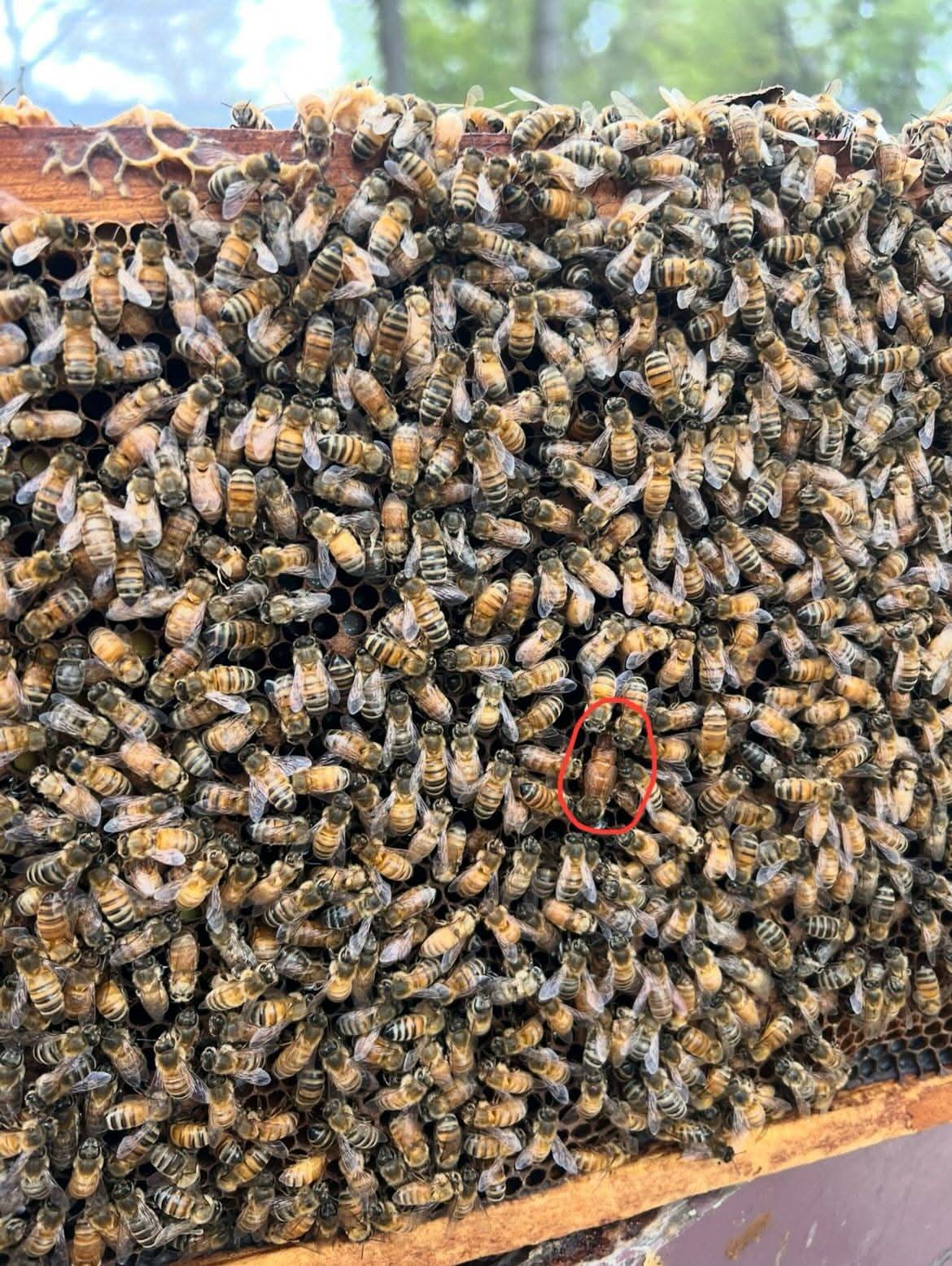
A nuc is a miniature, fully operational, established colony resting on 4 to 5 deep frames. It includes a laying queen that has already been accepted by the workforce, active worker bees, drawn wax combs, honey stores, pollen, and multiple frames of capped and open brood.
- The Advantage: Because the queen is already actively laying and the frames are structured, local nucs are roughly 2 to 3 weeks ahead of a package in terms of hive development. They are far easier for beginners to install because you simply transfer the frames directly into your full-sized equipment.
The Bee Package
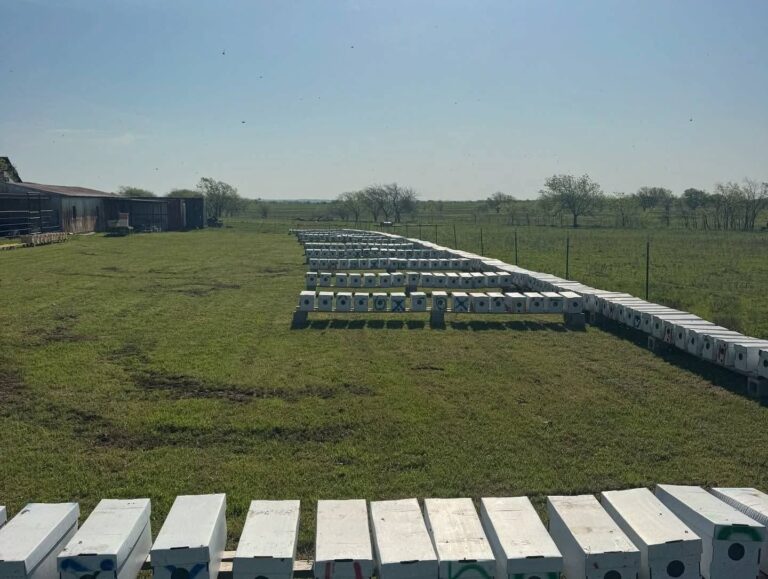
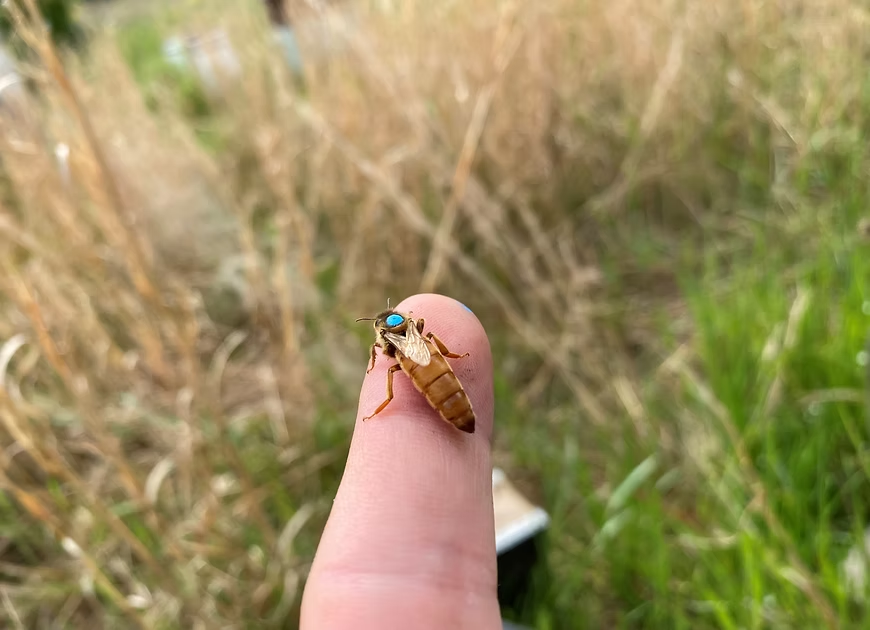
A bee package is a man-made swarm housed in a screen-ventilated wooden or plastic box. It contains 3 pounds of loose worker bees (roughly 10,000 bees), a feeding can of liquid sugar syrup, and a newly mated queen secured safely inside her own separate isolation cage.
- The Advantage: Packages are highly economical, easy to transport in the back of a vehicle, and are generally more widely available for reservation during the early spring pre-order windows.
Step-by-Step: Installing Your Locally Sourced Nuc Colony
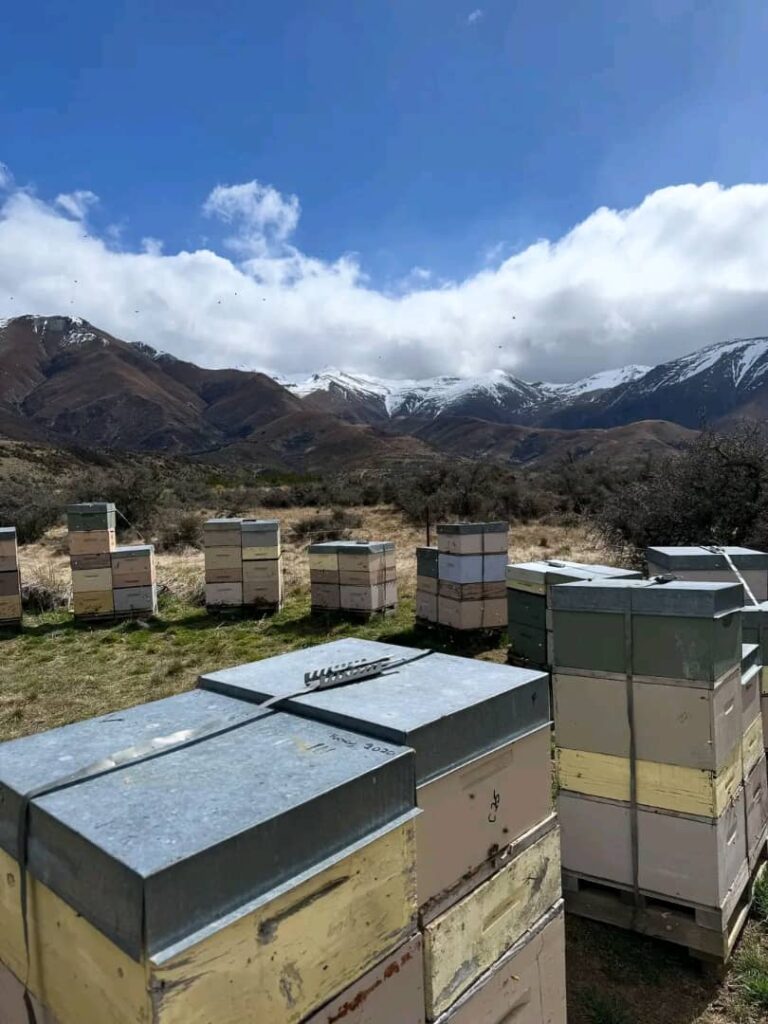
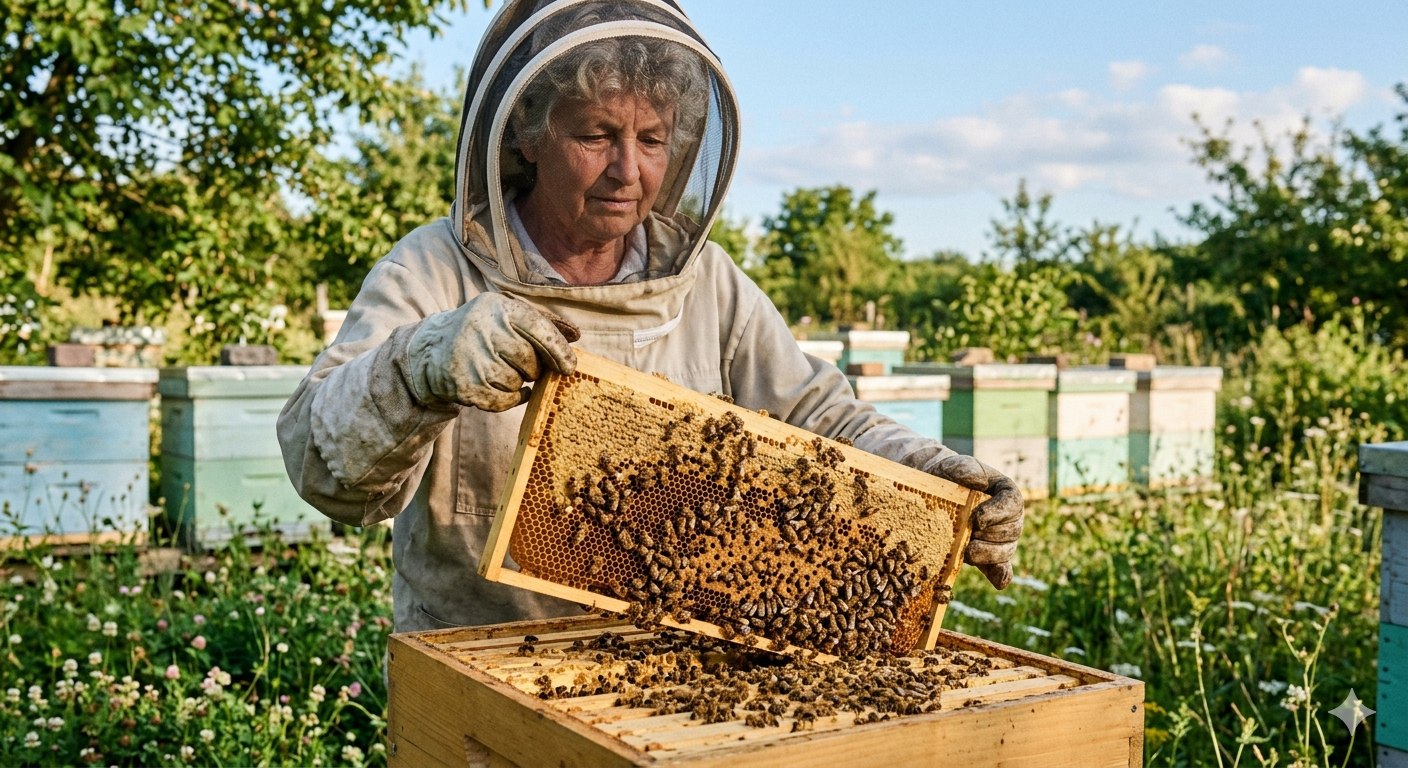
Once you complete a local yard pickup from a trusted regional source, bringing your nucleus colony home and safely integrating it into a permanent 8-frame or 10-frame Langstroth hive body requires careful execution.
1.Position the nuc and open the entrance:Within 1 Hour of Arrival.
Place the temporary nuc box directly on top of, or right next to, the permanent hive stand where the new colony will live. Open the entrance gate immediately. This allows the hot, stressed bees to ventilate the box and enables foraging worker bees to take immediate orientation flights to map their new location.
2.Prepare your full-sized equipment:24 Hours Later.
Let the bees calm down for a full day. When you are ready for the transfer, smoke the entrance lightly, remove the outer cover of the nuc, and take off the telescoping cover of your permanent deep hive body. Remove 5 central frames from your empty hive to make a distinct void for the incoming nuc.
3.Transfer frames in their precise order:10 Minutes.
Carefully lift the frames out of the nuc box one by one using a hive tool. Crucial Rule: Keep the frames in the exact same sequence and orientation they were in inside the nuc box. Look closely for the queen to ensure she is safe, then place the cluster smoothly into the central slot of the permanent hive.
4.Consolidate and feed the colony:5 Minutes.
Gently shake any remaining loose worker bees from the empty nuc box directly into the hive. Slide your empty frames tightly against the outside edges of the nuc frames to fill the box completely. Install an internal frame feeder or top feeder filled with a 1:1 sugar syrup mixture to give the colony the raw energy required to draw out the remaining new wax foundations.
Local Buying Checklist for Beekeepers
| Buying Factor | Sourcing Locally | Ordering Online (Nationwide) |
| Climate Adaptation | Maximum: Bees are pre-adapted to your exact regional weather patterns and native flows. | Variable: Southern-raised bees may struggle initially with sudden northern frost windows. |
| Transit Stress | Low: Short transport times inside your own climate-controlled vehicle. | High: Multiple days spent inside transit hubs, cargo bays, and mail carrier vans. |
| Brood Progress | Advanced: Nucs provide a fully active laying cycle right out of the gate. | Delayed: Packages require up to a week just to draw out fresh wax comb for the queen. |
| Expert Support | Direct: Immediate access to local advice from the breeder who raised your specific stock. | Automated: Rely on corporate help desks, online forms, and email tracking systems. |
Guarantee Your Apiary’s Success This Season
Finding a high-quality bee colony near you shouldn’t be a guessing game. By prioritizing local beekeeping clubs, building relationships with family apiaries, and selecting healthy nucleus colonies, you insulate your apiculture investment from the intense physical tolls of long-distance commercial transit. Always make sure to lock in your live bee reservations during the late fall or early winter months, as local spring availability vanishes rapidly once the season kicks off.
Ready to secure premium, locally acclimated live bees, master swarm prevention techniques, or explore high-quality woodenware? Discover our comprehensive set of educational checklists, hive tool breakdowns, and expert apiary support right now at Golden Hive Farm.
References
- Flow Hive. (2025). Choosing where to get your bees. Flow Hive US Education Hub. https://www.honeyflow.com/blogs/beekeeping-basics/choosing-where-to-get-your-bees
- Cited by: 1340
- Honey B Hives. (2025). How to find honey bees for sale locally. Honey B Hives Post Series. https://www.honeybhives.net/post/how-to-find-honey-bees-for-sale-locally
- Cited by: 410
Newsletter Updates
Enter your email address below and subscribe to our newsletter