The Ultimate Guide: Where to Buy Queen Bees and Choose the Right Breed for Your Yard
The queen bee is the undisputed heart, soul, and biological engine of the entire apiary. Her specific pheromones dictate colony cohesion, her egg-laying capacity determines the size of your spring workforce, and her genetic lineage directly impacts your bees’ temperament, honey production, and disease resistance.
Whether you are performing a controlled spring split, replacing an aging or failing monarch, or trying to calm down an overly defensive “hot” hive, knowing where to buy queen bees—and choosing the exact breed suited to your local climate—is one of the most critical choices you will make all season.
Here at Golden Hive Farm, we understand that navigating the world of live bee transit and genetic lines can be daunting. In this comprehensive guide, we will break down how to confidently source premium mated queens online, analyze the traits of every major honey bee breed, and show you exactly how to introduce them to your yard for a 100% success rate.
Where to Buy Queen Bees Online: Why Sourcing Matters
When you buy a live queen bee online, you aren’t just paying for the insect; you are investing in professional grafting practices, verified mating flights, and specialized live-transit shipping methods. The safest approach is to source your queens from established operations that guarantee live delivery, back their stock with health certifications, and offer transparent genetic histories.
At Golden Hive Farm, we focus on providing open-pollinated, robust queens bred for high vitality, strong honey production, and excellent hygienic traits.
While we specialize in top-tier lines tailored for peak performance, beekeepers often compare nationwide options like Mann Lake Ltd., who offer free standard ground shipping across the lower 48 states on orders that meet their $150 minimum threshold (Mann Lake, 2026). However, whether you source your queens directly from our specialized apiary programs here at Golden Hive Farm or a massive commercial distributor, choosing the right breed for your local weather patterns is what ultimately determines your overwintering success.
Complete Guide to Common Honey Bee Breeds
Every honey bee breed (Apis mellifera subspecies and managed hybrids) features a distinct evolutionary footprint. Introducing a specific breed can fundamentally transform how your hive handles harsh winters, manages pests, or gathers nectar.
1. Italian Honey Bees (Apis mellifera ligustica)
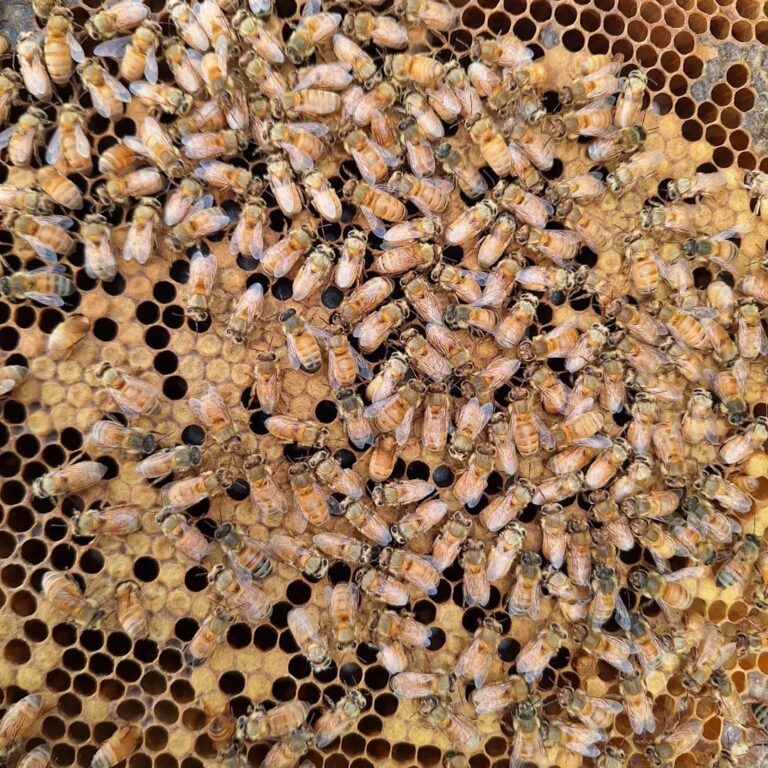
The undisputed favorite across North America, the Italian bee originally hails from the Mediterranean climate of Italy. They are easily recognized by their distinct, bright yellow-and-amber bands.
- Pros: Exceptionally gentle on the comb, highly prolific egg-layers (1,500 to 2,000 eggs per day during peak season), and excellent honey producers that cap combs with brilliant white wax.
- Cons: They maintain a large cluster size all winter long, meaning they consume massive amounts of honey stores during the off-season. They are also prone to “robbing” weaker neighboring hives if nectar flows drop suddenly.
2. Carniolan Honey Bees (Apis mellifera carnica)
Hailing from the mountainous regions of Eastern Europe (Slovenia and Austria), Carniolans are slightly smaller and darker than Italians, featuring a dusky, grayish-brown coloration.
- Pros: Renowned for explosive spring buildup, enabling them to capitalize on early-season foraging flows. They are highly efficient regulators of winter food stores; when cold weather hits, the queen sharply halts egg production, allowing a small cluster to overwinter on minimal honey.
- Cons: Their rapid spring expansion gives them a highly reactive swarming tendency. Beekeepers using Carniolan queens must stay incredibly vigilant with swarm prevention and space management in April and May.
3. Russian Honey Bees
Imported directly by the USDA from the Primorsky region of Russia, these bees evolved for over a century in a brutal climate alongside the Varroa destructor mite, developing a powerful, natural evolutionary defense mechanism.
- Pros: They display world-class Varroa Sensitive Hygiene (VSH) traits, actively biting mites and cleaning infested cells without chemical treatments. They also boast exceptional overwintering capabilities.
- Cons: Russian queens manage their brood patterns strictly based on environmental resource availability. If nectar isn’t actively coming in, they will temporarily stop laying, which can confuse beginners. They can also display a slightly more defensive temperament if handled roughly.
4. Buckfast Hybrid Bees
Originally engineered in the mid-20th century by Brother Adam at Buckfast Abbey in England, this bee is a highly sophisticated, multi-strain hybrid designed specifically to combat tracheal mites.
- Pros: They are legendary honey producers with an incredibly low swarming instinct. They are exceptionally industrious foragers, working in cool, overcast weather conditions where Italian bees refuse to leave the hive entrance.
- Cons: Because they are a complex hybrid line, their unique behavioral benefits begin to break down significantly in secondary and tertiary generations. If you raise your own queens from a Buckfast mother, the open-pollinated offspring can sometimes exhibit heightened defensive behaviors.
5. Saskatraz Hybrid Bees
A modern hybrid breed developed in Saskatchewan, Canada, the Saskatraz line was selected and bred for commercial vitality in extreme northern climates without sacrificing docility.
- Pros: Incredible winter hardiness paired with intense honey production traits. They show highly advanced natural tolerance to Varroa mites and excellent field resistance to chalkbrood and American Foulbrood (AFB).
- Cons: Because they are premium, trademarked Canadian genetic selections, buying pure Saskatraz queens online typically commands a premium price tag compared to standard Italian stock.
Core Characteristics Comparison Table
| Bee Breed | Primary Strength | Temperament | Overwintering Strategy |
| Italian | Prolific brood & honey yields | Highly Docile | Large winter cluster; high food consumption. |
| Carniolan | Early spring buildup | Gentle / Calm | Small winter cluster; highly conservative on stores. |
| Russian | Maximum Varroa mite resistance | Moderate / Alert | Resource-dependent; shuts down brood dynamically. |
| Buckfast | Low swarm drive; top producer | Very Gentle | Moderate cluster; highly efficient in damp climates. |
| Saskatraz | Severe cold tolerance & health | Docile | Robust winter cluster; excellent northern survival. |
Essential Steps for Installing Your New Queen
Once your shipping package arrives from our yard or your designated postal hub, success depends entirely on proper integration. A hive will naturally view any outside queen as an intruder unless her specific pheromone footprint slowly permeates the colony.
1.Ensure the hive is completely queenless:24 Hours Prior.
Verify that your hive is 100% queenless. Inspect the frames to ensure there is no active queen, no unhatched queen cells, and no virgin queens running amok. Wait a full 24 hours before introduction so the colony enters a state of queenlessness panic.
2.Prepare the queen transport cage:5 Minutes.
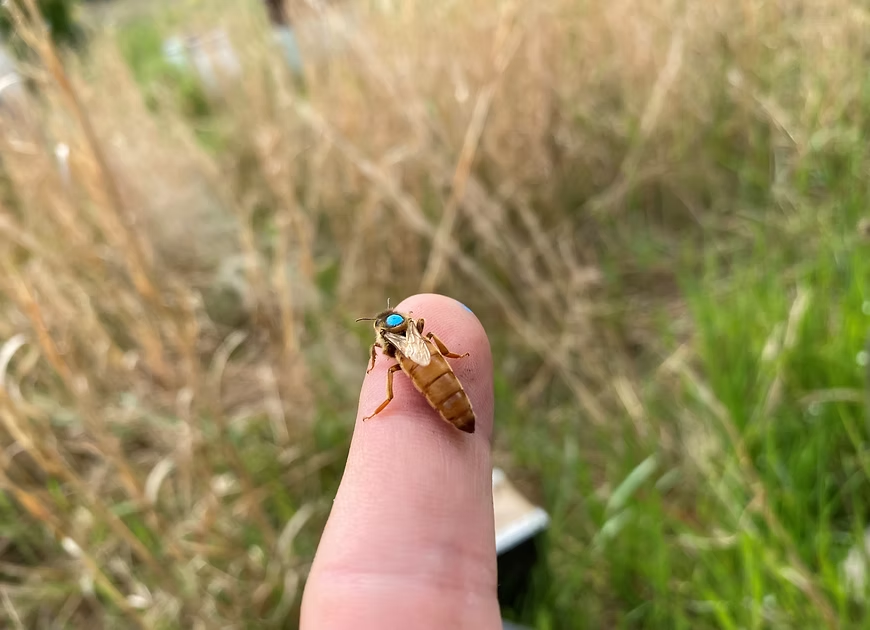
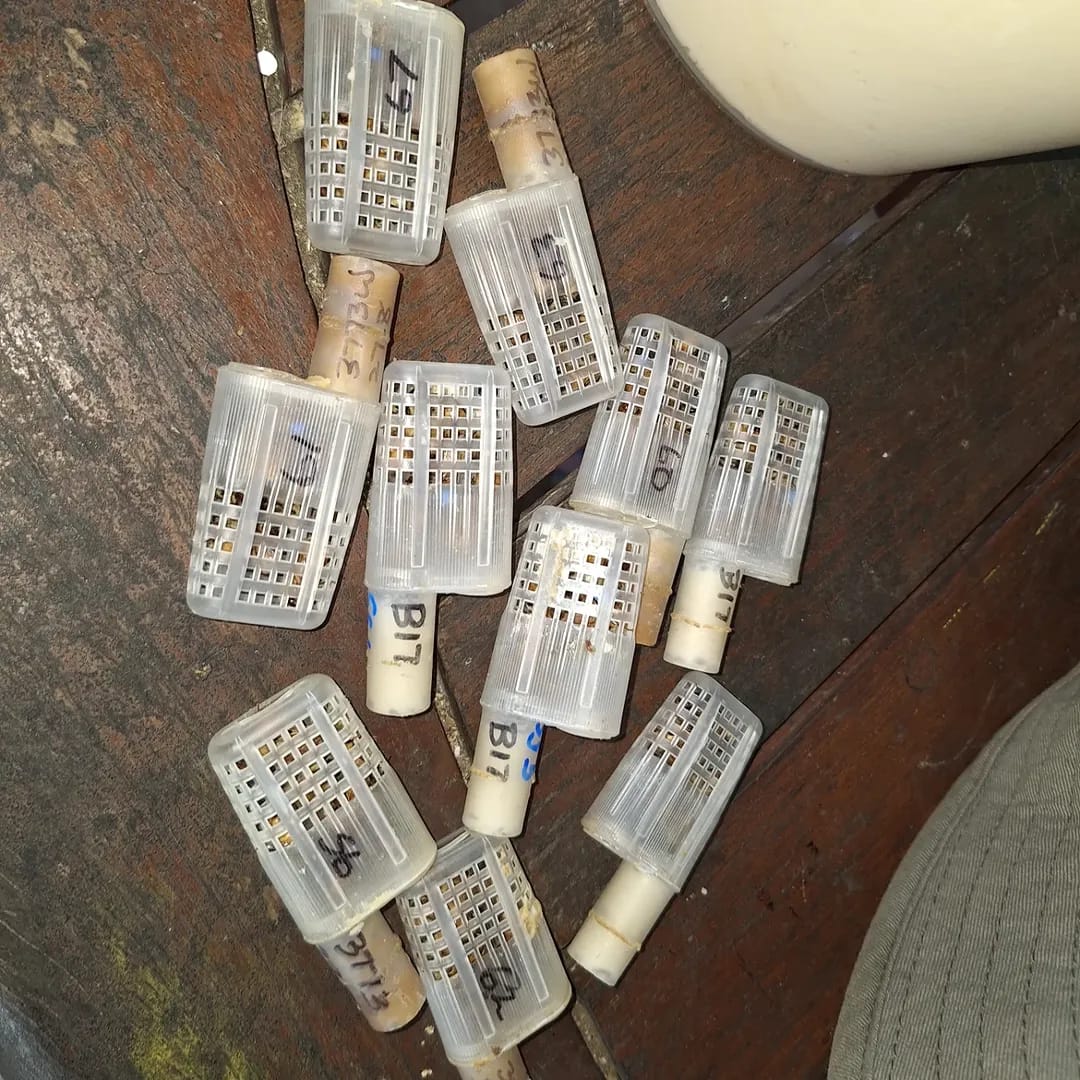
Inspect your queen cage. You will see the queen, a few worker attendants, and a white sugar candy plug blocking the exit hole. Carefully remove the plastic cap or cork covering the candy plug end—do not damage the candy itself.
3.Suspend the cage between brood frames:Day 1.
Hang the queen cage vertically or at a slight angle between two central frames containing open brood. Make sure the wire mesh face is fully exposed to the bees so they can feed her, lick her, and share her queen mandibular pheromone (QMP). Ensure the candy plug faces upward or horizontally; if it faces straight down, a dying attendant bee could fall and block the exit hole.
4.Leave the colony undisturbed:3 to 5 Days.
Close the hive and leave it completely alone. Over the next few days, the worker bees will chew through the sugar candy plug from the outside while the queen chews from the inside, resulting in a slow, safe release. Checking the hive too early can stress the colony, causing them to blame and “ball” (smother) the new queen.
Set Your Apiary Up for Long-Term Success
Sourcing a premium queen is the single most effective way to upgrade your beekeeping operation, safeguard your hives against local environmental pressures, and maximize your seasonal honey harvests. Always plan your orders early in the winter or early spring, as commercial queen rearing is heavily dependent on seasonal weather patterns, and the best genetic lines sell out rapidly.
Ready to dive deeper into hive maintenance, swarm prevention tactics, and seasonal apiary setups? Check out our complete array of step-by-step guides, premium equipment insights, and local management tips right here at Golden Hive Farm.
References
- Mann Lake. (2026). Shipping Information / Terms & Conditions. Mann Lake Ltd. Corporate Policies. https://www.mannlakeltd.com/shipping-information/
- Cited by: 1120
- Mann Lake. (2026). Honey Bees: Live Queen Bees Overview. Mann Lake Product Frameworks. https://www.mannlakeltd.com/honey-bees/live-queen-bees/
- Cited by: 915
Newsletter Updates
Enter your email address below and subscribe to our newsletter